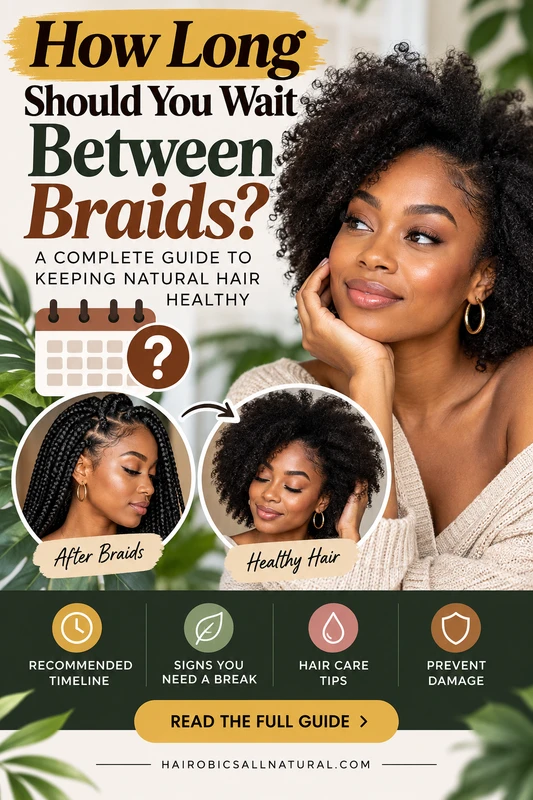
Braids are one of the most popular protective hairstyles for Black women. Whether you love knotless braids, traditional box braids, cornrows, stitch braids, or feed-in braids, these styles offer versatility, convenience, and a beautiful way to reduce daily hair manipulation.
However, one important question often gets overlooked: How long should you wait between braids?
Many women remove their braids on Friday, wash their hair on Saturday, and return to the salon for another installation on Sunday. While this routine may seem convenient, repeatedly installing braids without assessing your hair and scalp can contribute to unnecessary tension, dryness, breakage, and thinning edges.
Your natural hair needs more than protective styling. It also needs consistent moisture, gentle cleansing, conditioning, and opportunities to recover from repeated tension.
The time you should wait depends on your hair's condition, the type of braids you wear, how tightly they were installed, and whether you experienced scalp irritation or breakage.
In this complete guide, we'll explain how long to wait between braided hairstyles, why taking breaks matters, what to do after removing braids, and how to prepare your natural hair for its next protective style.

How Long Should You Wait Between Braids?
For many people with healthy natural hair and no scalp irritation, waiting approximately 1–2 weeks between braid installations is a practical starting point.
This gives you time to thoroughly cleanse your scalp, remove accumulated shed hair, deep condition your strands, examine your hairline, and address any dryness or tangling before another installation.
However, there is no universal medically established waiting period that works for everyone.
If your scalp is tender, your edges are thinning, or your hair has experienced significant breakage, you may need several weeks or longer without tension-producing hairstyles.
Consider the following general guidelines:
|
Hair condition |
Suggested break |
|---|---|
|
Healthy hair with no irritation |
1–2 weeks |
|
Mild dryness or tangling |
1–2 weeks, reassess |
|
Noticeable breakage |
Several weeks or until improved |
|
Tender or irritated scalp |
Until completely comfortable |
|
Thinning edges |
Avoid tension and seek professional guidance |
|
Significant hair loss or scalp sores |
Dermatologist evaluation before reinstalling |
These are practical hair-care guidelines, not guarantees that hair will recover within a particular number of days.
The most important rule is to evaluate your hair rather than automatically scheduling your next appointment.
For additional guidance, read our complete guide to protective styles .
Why Taking Breaks Between Braids Is Important
Protective hairstyles are designed to reduce manipulation, but they can still place mechanical stress on your hair.
Every braid installation involves sectioning, parting, pulling, and securing strands into a particular position.
Adding extensions can introduce additional weight.
When these styles are repeated continuously, particularly when installed tightly, your hairline and scalp may experience repeated stress.
Taking a break provides an opportunity to address several important concerns.
1. Reduce Repeated Tension on Your Hairline
Your edges are particularly vulnerable to traction-related damage.
Tight braids, heavy extensions, and repeatedly pulling hairstyles backward can place unnecessary tension on the delicate hairs around your temples and forehead.
Over time, repeated pulling may contribute to traction alopecia, a form of hair loss associated with prolonged tension.
Giving your hairline time without tight styling helps reduce continued mechanical stress.
Learn more about how to protect your edges while wearing braids .
2. Restore Moisture to Your Natural Hair
Even when your braids look beautiful, the natural hair underneath can become dry.
Environmental exposure, inadequate conditioning, product buildup, and neglected maintenance can leave strands feeling rough after removal.
A break allows you to focus on restoring softness and manageability.
3. Remove Accumulated Shed Hair
Your hair naturally sheds throughout the day.
When you wear braids for several weeks, much of that shed hair remains trapped inside the hairstyle.
After removal, the accumulated strands can make your hair appear to be shedding excessively.
Careful detangling helps separate naturally shed strands from healthy hair without unnecessary pulling.
4. Identify Hair Damage Early
Braided styles can conceal breakage, scalp irritation, and changes in hair density.
Wearing your natural hair out temporarily makes it easier to examine your scalp, ends, temples, and crown.
This gives you an opportunity to identify problems before another installation.
5. Prevent Continuous Styling Stress
Switching from box braids directly into knotless braids does not automatically eliminate tension.
Even hairstyles described as protective can become damaging when they are too tight, too heavy, or repeatedly installed on vulnerable areas.
A low-tension routine between installations can help reduce that risk.
How Long Should You Keep Braids In Before Removing Them?
Your waiting period begins after removing your previous hairstyle.
However, how long you wore that hairstyle also matters.
Leaving braids installed too long may contribute to excessive tangling, buildup, matting, and difficult removal.
Different hairstyles have different maintenance requirements.
|
Braid style |
General wear period |
|---|---|
|
Box braids |
4–8 weeks |
|
Knotless braids |
4–8 weeks |
|
Cornrows |
2–4 weeks |
|
Feed-in braids |
2–4 weeks |
|
Stitch braids |
2–4 weeks |
|
Crochet braids |
4–8 weeks |
|
Small individual braids |
Depends on size and maintenance |
These ranges are general planning guides. Remove a hairstyle earlier if you experience discomfort, significant buildup, matting, or hairline stress.
For a more detailed breakdown, visit our article on how long to keep protective styles in .
What Happens If You Reinstall Braids Too Soon?
Getting braids immediately after removing an old set does not automatically damage healthy hair. However, doing so without properly examining and preparing your strands can increase the risk of problems.
Here are several issues to consider.
Increased Hair Breakage
Hair that is already dry, tangled, or weakened may experience additional damage during another installation.
Repeated combing, sectioning, and pulling can cause fragile strands to snap, especially around the hairline and nape.
Thinning Edges
Your edges experience stress when braids are installed too tightly or extensions are excessively heavy.
Repeated installations without addressing this tension can contribute to gradual thinning.
Scalp Irritation
Your scalp may already be sensitive from your previous hairstyle.
Installing another tight hairstyle before tenderness resolves can prolong irritation.
Pain, bumps, redness, and persistent discomfort should never be considered normal parts of getting braids.
Excessive Product Buildup
Skipping proper cleansing between installations can leave behind styling gels, oils, dirt, and shed skin cells.
Adding more products during the next installation may make this buildup worse.
Increased Tangling
If you do not thoroughly detangle after removing your previous braids, loose strands can become tangled with new growth.
These tangles may become more difficult to remove after another several weeks in braids.
The goal is to start each installation with clean, conditioned, thoroughly detangled hair.
The Best 7-Day Hair Care Routine After Removing Braids
If your hair and scalp are healthy, the following routine can help you prepare for your next protective hairstyle.
You can extend this routine to 10–14 days depending on your hair's needs.
Day 1: Remove Your Braids Carefully
Start by taking your braids down slowly.
Avoid rushing through removal or aggressively pulling apart tangled sections.
If you have extensions, make sure you know where your natural hair ends before cutting anything.
Separate your hair into manageable sections and gently remove accumulated shed strands.
Apply a detangling conditioner when necessary.
Use your fingers to separate larger tangles before introducing a wide-tooth comb.
Work from the ends toward the roots.
If you encounter a difficult knot, apply additional conditioner rather than forcing your comb through it.
Day 2: Cleanse Your Hair and Scalp
After several weeks of wearing braids, your scalp may contain accumulated oil, sweat, and styling products.
Use a gentle shampoo to cleanse your hair thoroughly.
If you have significant buildup, a clarifying shampoo may be helpful.
Concentrate on cleaning your scalp without aggressively scratching or rubbing.
Rinse completely.
If your hair feels especially tangled, keep it separated into sections during washing.
Day 3: Deep Condition Your Natural Hair
Deep conditioning is an important part of your post-braid routine.
A moisturizing conditioner can improve softness, reduce friction, and make your hair easier to manage.
Look for formulas containing conditioning ingredients and humectants appropriate for your hair.
Follow the manufacturer's instructions rather than assuming that leaving a conditioner on for several hours will produce better results.
Pay particular attention to your ends, which are generally the oldest and most weathered parts of your hair.
Day 4: Moisturize and Wear a Loose Hairstyle
After cleansing and conditioning, apply a suitable leave-in moisturizer.
Avoid pulling your hair into a tight ponytail or bun.
Instead, consider loose two-strand twists, a low-tension puff, or wearing your natural hair out.
Your goal is to minimize unnecessary pulling while keeping your strands manageable.
Day 5: Examine Your Hairline and Scalp
Take time to examine the areas that experienced the most tension.
Check your temples, nape, crown, and the parts where your previous braids were installed.
Look for redness, bumps, tenderness, unusual shedding, or thinning.
If you notice these symptoms, postpone your next braid appointment.
Day 6: Maintain Moisture Without Overloading Your Hair
You do not need to apply multiple heavy products every day.
Instead, pay attention to how your hair feels.
If it needs moisture, apply a small amount of an appropriate water-based moisturizer or leave-in product.
Avoid excessive oils and gels that create buildup.
Protect your hair overnight using a satin bonnet, scarf, or pillowcase.
Day 7: Evaluate Whether Your Hair Is Ready
By the end of the week, examine your hair again.
Your scalp should feel comfortable, your strands should be manageable, and there should be no active irritation.
If your hair still feels fragile, extend your break.
There is no reason to rush another installation simply because seven days have passed.
For additional guidance, read our guide to preventing breakage after braids .
How to Moisturize Your Hair Between Braids
Moisture management is one of the most important parts of maintaining natural hair between protective hairstyles.
Many people assume that applying oil alone is enough to keep their hair moisturized.
However, oils primarily help lubricate strands and reduce moisture loss. They do not replace the conditioning benefits of a suitable water-based product.
A balanced routine should focus on gentle cleansing, conditioning, lightweight moisturizing, and minimizing friction.
Featured Hairobics Product: Raaw Roots Antiseptic Moisturizer Spray
Authentic Hairobics Raaw Roots Antiseptic Moisturizer Spray gold 12 oz bottle
Hairobics Raaw Roots Antiseptic Moisturizer Spray
Formulated with tea tree, aloe vera, and olive oil. Designed to moisturize, soften, condition, and add shine.
12 FL OZ (360 ML)
The Hairobics Raaw Roots Moisturizer Spray is a convenient option for maintaining moisture during your protective styling routine.
Its spray application makes it easy to distribute product without excessive manipulation.
Use it as directed, focusing on areas that need conditioning.
Remember that a moisturizer cannot reverse damage caused by tight braids or replace appropriate treatment for an inflamed scalp.
How Do You Know When Your Hair Is Ready for Braids Again?
Rather than relying exclusively on a calendar, pay attention to the condition of your natural hair.
Here are several encouraging signs:
Your scalp feels comfortable. You should not experience tenderness, pulling, or discomfort when touching your scalp.
Your hair is properly detangled. You should be able to separate your strands without encountering severe matting.
Your hair feels conditioned. Your strands should be reasonably soft and manageable rather than extremely dry or brittle.
Your edges are not showing new signs of damage. Examine your temples and hairline before allowing another stylist to apply tension.
Your scalp is clean. Remove accumulated buildup before your next installation.
You have selected an appropriate hairstyle. Choose a style that does not require excessive pulling or extensions that are too heavy for your hair.
If you are uncertain about the amount of tension your hairstyle can tolerate, consult a qualified stylist or dermatologist.
Should You Wait Longer Between Braids If Your Edges Are Thin?
Yes. If your edges are noticeably thinning, it is important to stop repeatedly applying tension to those areas.
A one-week break may not be sufficient.
Thinning edges can result from several factors, including repeated pulling, breakage, and underlying medical conditions.
If traction is responsible, continuing the same styling practices can worsen the problem.
Avoid installing tight braids around your hairline, attaching heavy extensions to fragile strands, or repeatedly brushing your edges into restrictive styles.
Consider wearing your natural hair in loose, low-tension hairstyles while seeking appropriate guidance.
A dermatologist can help determine whether your hair loss is traction-related and whether treatment is needed.
For more information, read How Tight Is Too Tight for Braids? .
Can You Wear Protective Hairstyles During Your Braid Break?
Absolutely.
Taking a break from braids does not mean you must wear your hair loose every day.
The objective is to reduce tension and avoid repeatedly stressing the same areas.
Several low-manipulation hairstyles can help keep your natural hair manageable.

Loose Two-Strand Twists

Natural Afro

Loose Low Bun

Loose Flat Twists
Choose styles that feel comfortable and do not require excessive pulling.
If you wear a wig, avoid tight braids underneath it and make sure the wig itself does not rub or pull against your hairline.
The most beneficial hairstyle is one that allows you to maintain your hair without creating additional damage.
How to Prepare Your Natural Hair Before Getting Braids Again
Proper preparation can make your next installation easier and reduce unnecessary manipulation.
Follow these important steps before returning to the salon.
1. Start With Clean Hair
Wash your hair to remove sweat, dirt, and styling product residue.
A clean scalp provides a better foundation for your next protective hairstyle.
Avoid installing fresh braids over excessive buildup.
2. Condition Thoroughly
Apply a moisturizing conditioner after shampooing.
If your strands feel especially dry, consider incorporating a deep-conditioning treatment into your wash-day routine.
3. Detangle in Sections
Detangle carefully, starting at the ends and working toward your roots.
Avoid aggressively brushing through tangled hair.
Proper detangling helps prevent unnecessary pulling during installation.
4. Apply a Suitable Leave-In Treatment
A leave-in conditioner can help improve softness and manageability before styling.
Choose a product appropriate for your hair texture and condition.
5. Avoid Excessive Heat
You do not need to straighten your natural hair to prepare it for braids.
If your stylist prefers stretched hair, consider gentle stretching methods or carefully controlled heat.
6. Communicate With Your Braider
Tell your stylist if your scalp is sensitive or if you have previously experienced thinning edges.
Ask for comfortable tension, manageable extension weight, and appropriately sized sections.
Braids should never require you to tolerate pain to achieve a neat appearance.
How to Maintain Healthy Hair While Wearing Braids
Your hair care routine should continue even after your new braids are installed.
Protective styling does not mean abandoning regular maintenance.
Keep Your Scalp Clean
Wash your scalp as needed based on sweat, oil production, product buildup, and your scalp's condition.
For many people, cleansing approximately every one to two weeks is a useful starting point, although individual needs vary.
Focus on gentle cleansing and thorough rinsing.
Avoid leaving shampoo residue trapped around your roots.
Our braids washing guide explains how to maintain clean braids without excessive frizz.
Moisturize Regularly
Apply a suitable lightweight moisturizer when your hair needs conditioning.
Avoid saturating your braids with excessive amounts of heavy products.
Product buildup can make maintenance more difficult.
Protect Your Braids at Night
Wear a satin bonnet or scarf to reduce friction while sleeping.
A satin pillowcase can provide additional protection.
Avoid Tight Updos
Repeatedly pulling braids into high ponytails or tight buns can create additional tension around your hairline.
Choose loose hairstyles whenever possible.
Remove Braids Before They Become Matted
Do not keep braids installed indefinitely simply because they still look presentable.
Pay attention to your roots, scalp, and new growth.
If excessive tangling or matting develops, begin planning removal.
For additional information, explore our article on what happens if you leave braids in too long .
Frequently Asked Questions About Waiting Between Braids
Is one week enough between braids?
One week may be enough for someone with healthy hair, no scalp irritation, and no noticeable breakage. However, people experiencing tenderness, thinning edges, or significant damage may need a longer break.
Can I get braids the day after taking them out?
It is possible, but you should first ensure that your hair has been properly detangled, cleansed, conditioned, and examined. Reinstalling braids immediately without addressing existing damage can contribute to further problems.
Is two weeks a good break between braids?
Two weeks is a practical option for many people. It allows time for a thorough wash-day routine, moisture maintenance, and an assessment of your hair's condition before another installation.
Should I wait a month between braids?
A month-long break may be useful if your hair is particularly dry or has experienced repeated styling stress. However, a month is not a universal requirement. Significant hair loss or scalp symptoms warrant professional evaluation rather than relying on a waiting period alone.
How long should I wait between knotless braids?
Approximately one to two weeks is a reasonable starting point when your hair and scalp are healthy. Although knotless braids may reduce tension compared with certain traditional installation methods, they can still cause damage if installed too tightly or with excessive weight.
Can wearing braids continuously cause hair loss?
Repeated tension-producing hairstyles can contribute to traction alopecia, particularly around the hairline. Risk depends on factors such as installation tension, extension weight, hairstyle duration, and individual hair and scalp health.
Should I wash my hair immediately after taking out braids?
You can wash your hair after removing braids, but gently separate accumulated shed strands and address significant tangles first. Applying conditioner before washing may make difficult detangling easier.
Will taking breaks between braids make my hair grow faster?
Taking breaks does not directly increase the biological rate of hair growth. However, reducing unnecessary tension and breakage may help you retain more of the length your hair naturally grows.
What if my scalp still hurts after removing braids?
Avoid installing another tension-producing hairstyle while your scalp remains painful. Persistent pain, swelling, sores, or noticeable hair loss should be evaluated by a healthcare professional.
What hairstyle should I wear between braids?
Loose twists, natural afros, low-tension buns, and other gentle hairstyles are practical options. Choose styles that do not repeatedly pull on your edges or sensitive areas.
Final Thoughts: Give Your Natural Hair Time Between Braids
Braids can be a convenient and beautiful way to maintain natural hair, but healthy protective styling requires balance.
For many people, waiting approximately one to two weeks between braid installations provides a useful opportunity to cleanse, condition, detangle, and examine their hair.
However, the condition of your scalp and strands should always determine when you are ready for another installation.
If your edges are thinning, your scalp feels irritated, or your hair is experiencing noticeable breakage, extend your break and address those concerns before returning to the braiding chair.
Remember that the purpose of protective styling is to reduce unnecessary manipulation while maintaining healthy hair—not simply to keep your natural hair covered.
With gentle maintenance, consistent conditioning, comfortable hairstyles, and appropriate breaks between installations, you can enjoy beautiful braids while supporting your long-term hair care goals.
Keep your natural hair moisturized between protective styles with Hairobics Raaw Roots Moisturizer Spray .