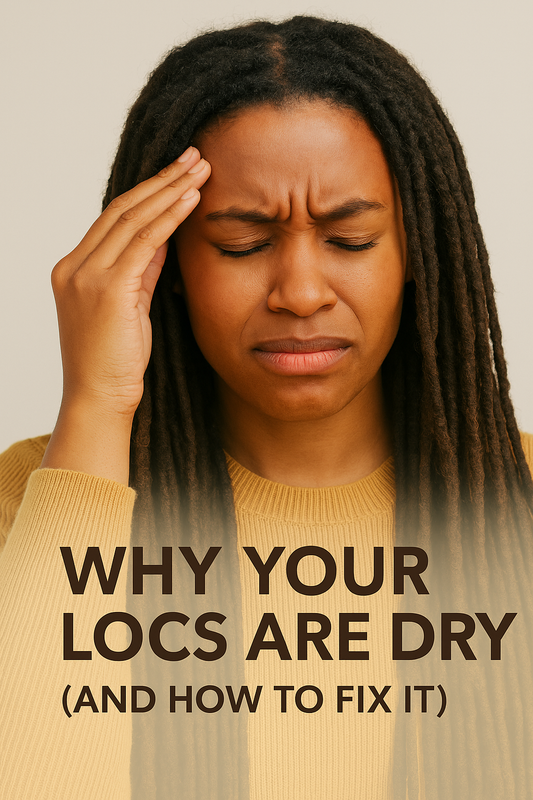
Locs are one of the most beautiful and expressive natural hairstyles — strong, versatile, and deeply rooted in culture. But if you have locs, you’ve probably faced one of the most common and frustrating issues: dryness.
Dry locs can feel brittle, rough, dull, itchy, and difficult to manage. Over time, dryness can lead to breakage, thinning, lint buildup, scalp irritation, and slow length retention. And here’s the truth many people don’t realize:
Dry locs are not “just part of the journey.” They are usually a sign that something in your routine needs to change.
In this guide, we’ll break down exactly why locs get dry, how dryness affects your hair and scalp, and — most importantly — how to restore moisture and keep your locs healthy at every stage, from starter locs to mature locs.
Why Moisture Is Critical for Healthy Locs
Unlike loose natural hair, locs don’t allow moisture to move freely from root to tip. Once hair locks, the structure becomes denser, making it harder for water and oils to penetrate the strands.
Without intentional hydration:
-
Moisture sits on the surface instead of soaking in
-
The inside of the loc stays dry
-
Hair becomes brittle over time
This is why locs require consistent, strategic moisture — not heavy products or occasional oiling.
Common Reasons Your Locs Are Dry
Let’s break down the most common causes of dry locs so you can identify what’s affecting your hair.
1. You’re Using Oil Instead of Water
This is the #1 mistake people with locs make.
Oil does not moisturize hair.
Oil seals moisture — but only if moisture is already present.
If you’re oiling dry locs without adding water first:
-
You’re sealing in dryness
-
Your locs stay stiff and brittle
-
Shine may appear, but hydration is missing
Water-based hydration must always come before oil.
2. You Don’t Moisturize Your Locs Often Enough
Locs need moisture more frequently than many people think.
Signs you’re under-moisturizing:
-
Crunchy or stiff locs
-
Locs that snap when bent
-
Rough texture
-
Excessive lint attraction
Depending on climate and lifestyle, locs may need hydration every 1–3 days, not once a week.
3. Product Buildup Is Blocking Moisture
Heavy creams, waxes, butters, and gels can coat locs and prevent water from penetrating.
Buildup causes:
-
Dryness from the inside out
-
Dull appearance
-
Itchy scalp
-
White residue inside locs
If moisture isn’t absorbing, buildup may be the reason.
4. You Wash Your Locs Incorrectly (or Not Enough)
Some people avoid washing locs out of fear — but a dirty scalp blocks healthy hair function.
Infrequent or improper washing can:
-
Trap sweat and salt in locs
-
Dry out strands
-
Cause scalp irritation
-
Prevent moisture absorption
Clean hair accepts moisture better than dirty hair.
5. Your Scalp Is Dry — and It’s Affecting Your Locs
Your scalp produces natural oils that help condition your hair. If your scalp is dry or irritated:
-
Sebum production decreases
-
Locs lose a natural moisture source
-
Itching and flaking increase
Healthy locs start with a healthy scalp.
6. Hard Water Is Drying Out Your Locs
Hard water contains minerals like calcium and magnesium that:
-
Coat the hair
-
Block moisture absorption
-
Leave locs feeling stiff
If your locs feel dry right after washing, hard water may be the culprit.
7. You’re Using Alcohol-Based or Harsh Products
Many sprays and styling products contain drying alcohols that:
-
Strip moisture
-
Increase brittleness
-
Cause scalp irritation
Locs thrive on gentle, water-based, low-residue formulas.
8. Environmental Factors Are Stealing Moisture
Your locs are constantly exposed to:
-
Sun
-
Wind
-
Cold air
-
Indoor heating
-
Low humidity
All of these pull moisture out of your hair — especially if you don’t protect it properly.
9. You Don’t Protect Your Locs at Night
Cotton pillowcases absorb moisture and increase friction.
Without nighttime protection:
-
Moisture evaporates faster
-
Locs become dry and fuzzy
-
Breakage increases
Night protection is essential for moisture retention.
10. Diet and Hydration Are Affecting Your Hair
Hair reflects what’s happening inside your body.
Low water intake or nutrient deficiencies can cause:
-
Dry, weak hair
-
Slow growth
-
Brittle strands
Loc health is influenced by internal hydration and nutrition.
How Dryness Affects Locs Over Time
Ignoring dryness can lead to long-term issues, including:
-
Thinning locs
-
Weak spots
-
Breakage at the roots or ends
-
Excess lint buildup
-
Dull, lifeless appearance
-
Slower length retention
Moisture isn’t optional — it’s foundational.
How to Fix Dry Locs (Step-by-Step)
Now let’s talk about how to restore moisture and keep your locs hydrated long-term.
1. Use Water-Based Moisture First
The best way to hydrate locs is with water.
Use a lightweight, water-based spray to:
-
Soften locs
-
Improve flexibility
-
Reduce breakage
-
Improve shine naturally
A mist like Hairobics Raaw Roots Moisturizing Spray works well because it hydrates locs without buildup, making it ideal for daily or frequent use.
2. Seal Moisture Lightly (Don’t Overdo It)
After hydrating with water, use a light oil to seal in moisture.
Avoid:
-
Heavy butters
-
Thick pomades
-
Petroleum-based products
Your locs should feel flexible, not greasy.
3. Wash Your Locs Regularly
Clean hair absorbs moisture better.
Recommended wash frequency:
-
Every 1–2 weeks for active lifestyles
-
Every 2–3 weeks for low activity
Use a residue-free shampoo and rinse thoroughly.
4. Clarify Periodically to Remove Buildup
If your locs feel dry no matter what you apply, buildup may be blocking moisture.
Clarify:
-
Every 4–6 weeks
-
With a gentle clarifying shampoo
-
Follow with hydration immediately after
5. Focus on Scalp Health
A moisturized scalp supports healthier locs.
-
Massage gently to increase circulation
-
Use lightweight scalp oils when needed
-
Avoid scratching or over-oiling
Hairobics Scalp Rejuvenator Oil can help soothe dryness and support scalp balance without clogging follicles.
6. Protect Your Locs at Night
Always sleep with:
-
A satin or silk bonnet
-
Or a satin pillowcase
This reduces friction and helps retain moisture.
7. Limit Retwisting and Over-Manipulation
Excessive retwisting:
-
Stresses the roots
-
Dries out hair
-
Causes thinning
Retwist only when needed and keep styles loose.
8. Adjust Moisture Based on Loc Stage
Starter Locs
-
Dry out faster
-
Need lighter, more frequent hydration
-
Avoid heavy oils and creams
Teen Locs
-
Absorb moisture better
-
Still need consistent hydration
Mature Locs
-
Hold moisture longer
-
Still require regular misting
Every stage needs moisture — just in different amounts.
9. Protect Locs From the Elements
-
Cover locs in extreme sun or cold
-
Rinse after swimming
-
Moisturize after exposure
Environmental protection prevents moisture loss.
10. Drink Water and Eat for Hair Health
Support your locs from the inside:
-
Drink enough water daily
-
Eat protein-rich foods
-
Include healthy fats
-
Ensure adequate iron and zinc
Internal hydration shows up in your hair.
Simple Daily Moisture Routine for Locs
Daily or Every Other Day
-
Light mist with water-based spray
-
Seal lightly if needed
Weekly
-
Scalp massage
-
Inspect locs for dryness or buildup
Biweekly or Monthly
-
Wash and clarify as needed
Consistency matters more than products.
Common Myths About Locs and Moisture
❌ “Locs don’t need much moisture”
False. Locs need consistent hydration to stay strong.
❌ “Oil alone is enough”
False. Oil seals — it doesn’t hydrate.
❌ “Dry locs are normal”
Dryness is a sign something is off.
❌ “Washing locs causes dryness”
Improper washing causes dryness — clean locs hydrate better.
How to Tell If Your Locs Are Properly Moisturized
Healthy locs:
-
Feel flexible, not stiff
-
Bend without snapping
-
Have natural sheen
-
Don’t itch excessively
-
Don’t feel crunchy
If your locs pass this test, your moisture routine is working.
Final Thoughts: Healthy Locs Start With Moisture
Dry locs aren’t a life sentence — they’re a signal.
When you:
-
Prioritize water-based hydration
-
Avoid heavy buildup
-
Keep your scalp healthy
-
Protect your locs daily
-
Stay consistent
…your locs can become softer, stronger, shinier, and easier to manage.
Moisture is the foundation of loc health — and once you get it right, everything else improves.