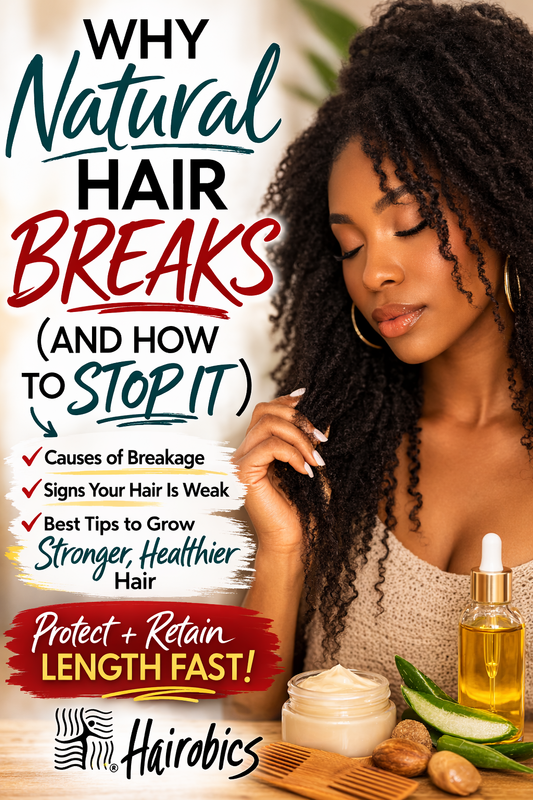
Natural hair is beautiful, versatile, and full of character—but it also requires thoughtful care. Many people with natural hair experience frustration when their hair constantly breaks, refuses to retain length, or seems to thin out over time.
Hair breakage is one of the most common challenges in the natural hair community. If your hair feels like it grows but never gets longer, or you constantly find short pieces of hair on your comb, clothing, or sink, breakage is likely the culprit.
Understanding why natural hair breaks and how to stop it is the key to achieving stronger, healthier hair that retains length.
In this complete guide, we will explore:
-
The science behind natural hair breakage
-
The most common causes of breakage
-
Daily habits that damage natural hair
-
Professional tips for preventing breakage
-
The best hair care routines for stronger hair
By the end of this guide, you’ll know exactly what to do to protect your hair, retain length, and grow healthier natural hair.
Understanding Natural Hair Structure
To understand why natural hair breaks, you first need to understand how hair is built.
Each strand of hair has three main layers:
The Cuticle
The cuticle is the outer protective layer of the hair strand. It consists of overlapping scales that protect the inner parts of the hair.
Healthy hair has a smooth, flat cuticle, which keeps moisture inside the hair shaft.
When the cuticle becomes damaged, moisture escapes and the hair becomes weak.
The Cortex
The cortex is the thick middle layer of the hair strand.
It contains:
-
Protein structures
-
Keratin
-
Hair pigment
The cortex determines the strength and elasticity of the hair.
When this layer becomes damaged, hair becomes fragile and prone to snapping.
The Medulla
The medulla is the innermost layer of hair.
Not all hair strands have a medulla, and it doesn’t play a major role in hair strength.
Why Natural Hair Is More Fragile
Natural hair—especially curly, coily, and kinky textures—is naturally more fragile than straight hair.
There are several reasons for this.
Curved Hair Structure
Straight hair allows oils from the scalp to travel easily down the hair shaft.
Curly and coily hair has bends and twists, making it harder for natural oils to move down the strand.
This often leads to dryness.
Dry hair is weak hair.
Weak Points Along the Strand
Every curve in a curl pattern creates a potential weak point where hair can break.
The tighter the curl pattern, the more fragile the hair may become.
Moisture Loss
Natural hair tends to lose moisture faster because its cuticle lifts more easily.
Without moisture, hair becomes brittle and snaps.
The Most Common Causes of Natural Hair Breakage
1. Dryness
Dryness is the number one cause of natural hair breakage.
Hair needs moisture to remain flexible and elastic. When hair becomes dry, it becomes stiff and brittle.
Dry hair snaps easily during:
-
Combing
-
Styling
-
Sleeping
-
Manipulation
Signs of dryness include:
-
Rough texture
-
Dull appearance
-
Tangling
-
Frizz
Moisture is one of the most important factors in preventing breakage.
2. Over-Manipulation
Natural hair can break when it is handled too often.
Constant manipulation includes:
-
Excessive combing
-
Frequent brushing
-
Constant styling
-
Tight hairstyles
Every time hair is manipulated, it experiences stress.
Reducing manipulation is one of the easiest ways to protect your hair.
3. Heat Damage
Frequent use of heat tools weakens the hair structure.
Examples include:
-
Flat irons
-
Curling irons
-
Blow dryers
High heat damages the cuticle and breaks down the protein structure of hair.
Over time, hair becomes weaker and prone to breakage.
4. Protein Imbalance
Hair is made primarily of protein.
But too much protein—or too little—can cause breakage.
Too Little Protein
Hair becomes weak and mushy.
It stretches too much and snaps.
Too Much Protein
Hair becomes stiff and brittle.
Balance is key.
5. Tight Hairstyles
Protective styles can be helpful, but styles that are too tight can damage hair.
Common problematic styles include:
-
Tight braids
-
Tight ponytails
-
Tight cornrows
-
Tight buns
These styles cause tension on the hair shaft and scalp.
Over time, this can lead to breakage and even traction alopecia.
6. Detangling Incorrectly
Detangling is one of the biggest causes of hair breakage.
Common mistakes include:
-
Detangling dry hair
-
Using small combs
-
Rushing through tangles
-
Starting from the roots instead of the ends
Proper detangling techniques protect the hair strand.
7. Split Ends
Split ends occur when the ends of hair strands begin to fray.
Once hair splits, the damage travels upward along the strand.
If split ends are not trimmed, they eventually cause breakage.
8. Chemical Damage
Chemical treatments weaken the hair shaft.
Examples include:
-
Relaxers
-
Hair dyes
-
Bleaching
-
Texturizers
These processes break down the hair’s protein bonds.
This can make hair extremely fragile.
9. Rough Sleeping Habits
Cotton pillowcases absorb moisture and create friction.
This friction can cause:
-
Breakage
-
Frizz
-
Split ends
Protecting hair while sleeping is essential.
Signs Your Natural Hair Is Breaking
Many people confuse breakage with shedding.
But the two are very different.
Shedding
Shedding is natural.
We lose about 50–100 hairs per day.
Shed hairs usually have a white bulb at the root.
Breakage
Breakage happens when hair snaps along the strand.
Broken hairs are:
-
Shorter
-
Uneven
-
Missing the white bulb
If your hair looks uneven or thin, breakage may be the cause.
How to Stop Natural Hair Breakage
1. Keep Hair Moisturized
Moisture is essential for strong natural hair.
Hydrated hair is flexible and resistant to breakage.
Use products designed to restore moisture to the hair and scalp.
Look for ingredients like:
-
Aloe vera
-
Shea butter
-
Natural oils
Hydrating leave-in treatments and moisturizing sprays can help maintain moisture levels.
2. Use Gentle Detangling Techniques
Always detangle hair carefully.
Best practices include:
-
Detangle while hair is damp
-
Use conditioner for slip
-
Start from the ends
-
Work upward slowly
Wide-tooth combs and fingers are ideal tools.
3. Protective Styling
Protective styles reduce manipulation.
Popular protective styles include:
-
Braids
-
Twists
-
Buns
-
Wigs
These styles protect hair from daily stress.
However, they should never be tight.
4. Trim Regularly
Trimming removes split ends before they cause breakage.
Most people benefit from trimming every 8–12 weeks.
Healthy ends prevent damage from spreading up the hair shaft.
5. Avoid Excess Heat
Reducing heat usage can dramatically improve hair strength.
Try heat-free styling methods like:
-
Twist-outs
-
Braid-outs
-
Flexi rod sets
If you must use heat, always use a heat protectant.
6. Balance Moisture and Protein
Healthy hair needs both.
Protein strengthens the hair structure.
Moisture keeps hair flexible.
Many people benefit from occasional protein treatments combined with regular moisturizing treatments.
7. Protect Hair While Sleeping
Nighttime protection prevents friction damage.
Helpful methods include:
-
Satin bonnets
-
Silk scarves
-
Satin pillowcases
These materials reduce friction and help maintain moisture.
8. Focus on Scalp Health
Healthy hair begins at the scalp.
A nourished scalp promotes stronger hair growth.
Massaging the scalp with natural oils can improve circulation and nourish the roots.
The Best Routine to Prevent Breakage
A consistent hair care routine is one of the most effective ways to reduce breakage.
Weekly Routine
-
Cleanse the scalp with a gentle shampoo
-
Apply a deep conditioning treatment
-
Detangle carefully
-
Apply leave-in conditioner
-
Seal moisture with oil or cream
Daily Routine
-
Moisturize hair as needed
-
Protect hair at night
-
Avoid excessive manipulation
Consistency is key.
The Role of Hair Products in Preventing Breakage
Hair products play an important role in strengthening hair and maintaining moisture.
Look for products designed to:
-
Hydrate the hair shaft
-
Strengthen weak strands
-
Support scalp health
-
Reduce dryness
High-quality natural products can help improve hair elasticity and prevent damage.
How Long It Takes to Repair Breakage
Hair recovery takes time.
Most people begin noticing improvements within 4–8 weeks after improving their hair care routine.
Hair grows about half an inch per month, so patience is essential.
Consistency will lead to stronger hair over time.
The Biggest Mistake People Make With Natural Hair
One of the biggest mistakes people make is expecting instant results.
Healthy hair requires long-term care and consistency.
Many people change routines too frequently, which prevents their hair from adapting to a stable routine.
Simple, consistent care often produces the best results.
Healthy Natural Hair Is Possible
Breakage does not mean your hair cannot grow.
With the right care, moisture balance, and protective habits, natural hair can become incredibly strong.
Understanding how to care for your hair properly allows you to:
-
Retain length
-
Reduce breakage
-
Improve hair health
-
Grow longer, fuller hair
Your natural hair is capable of thriving when it receives the right support.
Final Thoughts
Hair breakage is one of the most frustrating challenges in natural hair care, but it is also one of the most preventable.
By focusing on moisture, gentle handling, and consistent routines, you can dramatically reduce breakage and improve the health of your hair.
Stronger hair leads to better length retention, fuller styles, and a healthier scalp.
Your journey to healthier natural hair begins with understanding what your hair needs—and giving it the care it deserves.