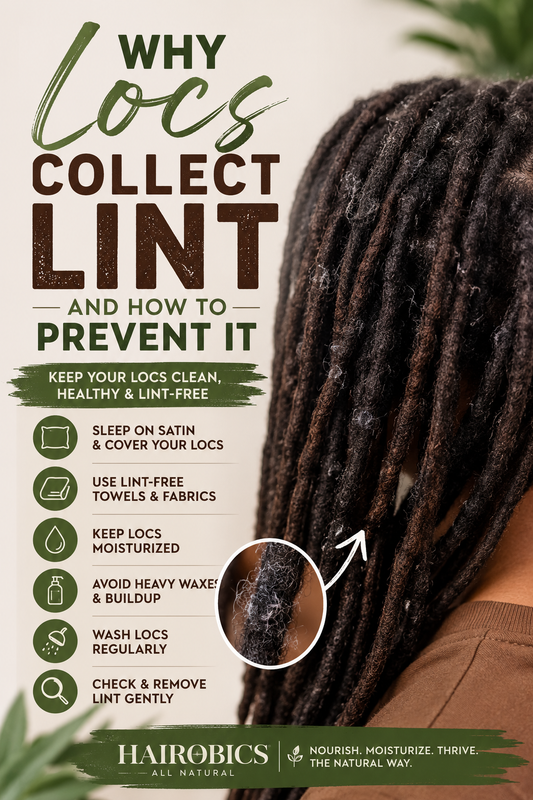
Beautiful, healthy locs are known for their versatility, strength, and low-maintenance appeal. However, one of the most frustrating challenges many people with locs face is lint buildup. Tiny white fibers can become trapped inside your locs, making even well-maintained hair appear dusty or dirty.
If you've ever wondered why your locs seem to attract lint no matter how often you wash them, you're not alone. Lint accumulation is one of the most common concerns among people with starter locs and mature locs alike.
The good news is that lint isn't unavoidable. By understanding what causes lint buildup and making a few simple changes to your hair care routine, you can dramatically reduce the amount of lint your locs collect.
In this guide, you'll learn:
- Why locs attract lint
- The biggest sources of lint
- How your routine affects lint buildup
- Daily habits that prevent lint
- Safe ways to remove lint without damaging your locs
- Long-term maintenance tips for cleaner, healthier locs
What Is Lint?
Lint is made up of tiny fibers that shed from clothing, towels, bedding, blankets, furniture, hats, and other fabrics.
These microscopic fibers float through the air and easily attach themselves to textured hair.
Unlike loose natural hair, locs have thousands of tiny twists and intertwined strands that trap these fibers inside the hair.
Once lint becomes embedded, it can be surprisingly difficult to remove.
Why Do Locs Collect Lint?
Locs naturally act like tiny fabric magnets.
As your hair locks together, the strands create countless small openings that grab nearby fibers.
Several factors increase lint buildup.
1. The Texture of Locs
The rougher the surface of your locs, the easier it is for fibers to cling.
Freshly maintained locs often have smoother surfaces.
Older locs with loose hairs may collect more debris.
2. Dry Hair
Dry locs have raised cuticles.
Raised cuticles create more friction.
More friction means more fibers become trapped.
Keeping locs moisturized helps smooth the hair shaft, reducing lint attachment.
3. Loose New Growth
New growth acts almost like Velcro.
Loose hairs grab:
- Dust
- Cotton fibers
- Pet hair
- Blanket fuzz
Regular maintenance helps reduce this problem.
4. Product Buildup
Heavy products create sticky surfaces.
Lint easily sticks to:
- Thick creams
- Heavy waxes
- Petroleum products
- Greasy pomades
The cleaner your locs remain, the less lint they'll collect.
Why Mature Locs Sometimes Collect More Lint
Many people assume starter locs attract the most lint.
In reality, mature locs often trap lint deeper.
Why?
Because mature locs are denser.
Fibers can become buried inside the center of the loc, making removal much harder.
This is why prevention becomes increasingly important over time.
The Biggest Sources of Lint
Most people are surprised where lint actually comes from.
Here are the biggest culprits.
Cotton Towels
Traditional bath towels shed thousands of fibers.
Every time you rub your locs dry, more fibers transfer.
Instead:
Pat your hair dry using:
- Microfiber towels
- Old cotton T-shirts
- Bamboo towels
Blankets
Fleece blankets are notorious lint producers.
So are:
- Sherpa blankets
- Wool blankets
- Plush comforters
Sleeping with uncovered locs against these fabrics almost guarantees lint buildup.
Pillowcases
Cotton pillowcases slowly shed fibers.
Silk and satin pillowcases produce significantly less lint.
Hoodies
The inside lining of hoodies constantly sheds.
Especially brand-new hoodies.
Dark hoodies often leave white fibers inside black locs.
Hats
Beanies
Winter caps
Wool hats
Knitted caps
All shed tiny fibers directly into your hair.
Scarves
Low-quality scarves create significant lint.
Silk scarves shed very little compared to cotton alternatives.
Furniture
Fabric couches
Car seats
Office chairs
All release fibers that attach to locs during daily life.
Everyday Habits That Increase Lint
Sometimes the problem isn't your environment.
It's your routine.
Common habits include:
Sleeping without covering your locs.
Using fuzzy towels.
Applying too much product.
Skipping regular washes.
Touching your hair constantly.
Rolling on carpet.
Laying on fuzzy pillows.
Wearing wool hats daily.
Why Product Choice Matters
One overlooked cause of lint buildup is using products that leave residue.
Residue acts like glue.
Fibers stick immediately.
Avoid products containing:
- Petrolatum
- Mineral oil
- Heavy wax
- Thick grease
Instead, choose lightweight moisturizers specifically designed for locs.
A light botanical moisturizer helps hydrate without creating buildup that attracts dust and lint.
How Moisture Helps Prevent Lint
Healthy locs aren't soaking wet.
They're properly hydrated.
Hydrated locs:
- Stay smoother
- Resist friction
- Collect less debris
- Feel softer
- Look shinier
Daily moisture also reduces breakage, which means fewer loose hairs available to trap fibers.
Wash Your Locs Regularly
Some people avoid washing locs because they're worried about frizz.
Ironically, dirty locs collect more lint.
Dust combines with oils.
Oils combine with product residue.
The sticky mixture traps fibers.
A clean scalp and clean locs dramatically reduce lint buildup.
Most people benefit from washing every 2–4 weeks, though the ideal schedule depends on your activity level, scalp condition, and how quickly your hair accumulates sweat or product.
The Best Fabrics for People with Locs
The fabrics your locs come into contact with every day can make a huge difference in how much lint they collect. If you're serious about keeping your locs clean, reducing contact with lint-producing materials is one of the easiest and most effective steps you can take.
Best Fabric Choices
Choose materials that produce very little fiber shedding, such as:
- Satin
- Silk
- Bamboo
- High-quality microfiber
- Smooth polyester blends
These fabrics create less friction and release fewer fibers, helping your locs stay cleaner for longer.
Fabrics to Limit
While you don't need to avoid them completely, try to reduce prolonged contact with:
- Fleece
- Sherpa
- Wool
- Flannel
- Terry cloth towels
- Cheap cotton blankets
These materials shed fibers much more readily and are common sources of lint buildup.
Protect Your Locs While Sleeping
Many people unknowingly collect most of their lint overnight.
During sleep, your head moves against your pillow dozens—sometimes hundreds—of times. If your locs are rubbing against a cotton pillowcase or fuzzy blanket for 7–9 hours, lint has plenty of opportunity to work its way into the hair.
A Better Nighttime Routine
Before bed:
- Moisturize your locs lightly.
- Tie them up with a satin or silk scarf.
- Wear a satin bonnet if your locs fit comfortably inside.
- Sleep on a satin pillowcase as an extra layer of protection.
This routine not only reduces lint but also helps preserve moisture and minimizes frizz.
Keep Your Locs Covered in Dusty Environments
Certain jobs and hobbies expose your hair to more airborne debris.
Examples include:
- Construction
- Woodworking
- Landscaping
- Warehouses
- Manufacturing
- Auto repair
- Home remodeling
If you spend time in dusty environments, wear a breathable satin-lined cap or protective head covering whenever possible.
Be Careful with Hair Accessories
Accessories can also contribute to lint buildup.
Inspect regularly:
- Hair wraps
- Elastic bands
- Decorative scarves
- Headbands
- Winter hats
If an accessory is shedding fibers, replace it before it becomes a recurring source of lint.
How to Remove Lint Safely
Even with the best prevention habits, a small amount of lint may still find its way into your locs.
The key is removing it gently.
Method 1: Wash Your Locs First
Sometimes what appears to be lint is actually dried product residue or scalp flakes.
Start by washing your hair with a residue-free shampoo. Once your locs are clean and dry, reassess the problem before attempting manual removal.
Method 2: Use Fine Tweezers
For visible lint near the surface:
- Work in bright lighting.
- Separate one loc at a time.
- Use clean, pointed tweezers.
- Gently pull fibers in the direction they entered.
Avoid digging aggressively into the loc, as this can weaken the hair.
Method 3: Crochet Hook (Advanced)
Many locticians use a small crochet hook to pull lint from inside mature locs.
While effective, this technique requires practice. Improper use can:
- Break hairs
- Thin the loc
- Cause unnecessary frizz
If you're unsure, it's best to let a professional handle deep lint removal.
Should You Cut Out Lint?
Usually, no.
Cutting into a loc can weaken its structure and create uneven spots.
Reserve trimming for isolated damaged areas where the lint cannot be removed any other way.
Avoid Heavy Waxes
One of the biggest myths in loc care is that wax keeps locs healthier.
In reality, heavy waxes often:
- Trap dust
- Hold lint
- Collect dirt
- Slow drying after washing
- Cause buildup inside the loc
A lightweight, water-based moisturizer is generally a better choice for maintaining clean, healthy locs.
Moisturize Without Leaving Residue
Hydration is important, but so is choosing products that won't leave a sticky coating.
Look for formulas that:
- Absorb quickly
- Hydrate the hair shaft
- Refresh the scalp
- Leave little to no residue
Consistent moisture helps reduce dryness, which can make the surface of your locs more likely to catch fibers.
Common Mistakes That Make Lint Worse
Avoid these habits if you want cleaner locs:
- Sleeping without a satin scarf or bonnet
- Drying with rough bath towels
- Wearing fuzzy hats every day
- Going months without washing
- Using excessive wax or grease
- Constantly touching your locs
- Ignoring product buildup
- Storing scarves or bonnets without washing them regularly
Small daily habits often have the biggest long-term impact.
How Often Should You Check for Lint?
A quick inspection every couple of weeks is usually enough.
Take a few minutes to look at:
- The front hairline
- Crown area
- Ends of your locs
- Areas that rub against clothing
- Locs at the back of your neck
Catching lint early makes removal much easier.
Frequently Asked Questions
Is lint harmful to locs?
Lint itself doesn't damage the hair, but excessive buildup can make locs appear dull and may trap dirt or product residue.
Can lint wash out?
Surface lint may wash away, but fibers that are deeply embedded often require manual removal.
Why do black locs show lint more than lighter hair?
White and light-colored fibers create a stronger contrast against dark hair, making even small amounts of lint more noticeable.
Do starter locs collect more lint?
Starter locs can pick up lint because of loose hairs, while mature locs may trap lint deeper inside. Both stages benefit from preventive care.
Does moisturizing reduce lint?
Keeping locs hydrated can help smooth the hair shaft, reducing friction and making it less likely for fibers to cling.
Final Thoughts
Lint is a common part of the loc journey, but it doesn't have to become a long-term problem. By making a few intentional changes—such as sleeping on satin, avoiding heavy residue, washing regularly, and protecting your locs from lint-producing fabrics—you can keep your locs looking cleaner, healthier, and more vibrant.
Consistency is the key. Small habits practiced every day can prevent years of stubborn lint buildup and help preserve the beauty of your locs.
Keep Your Locs Looking Their Best with Hairobics
Healthy locs start with a healthy scalp and proper hydration. Using lightweight, residue-free products can help keep your locs moisturized without attracting unnecessary buildup. The Hairobics line is formulated to nourish your hair and scalp while supporting clean, fresh, healthy-looking locs as part of your regular maintenance routine.