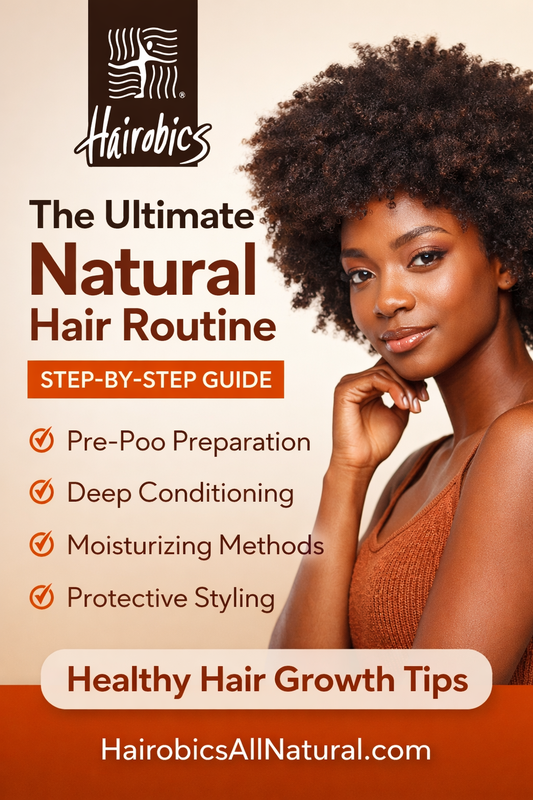
Natural hair is beautiful, versatile, and powerful—but it also requires intentional care. Many people struggle with dryness, breakage, and slow hair growth because they don’t have a consistent routine designed for natural hair textures.
The truth is simple: healthy natural hair thrives on routine, moisture, and gentle care.
In this complete guide, you’ll learn:
-
The best natural hair routine step-by-step
-
How to build a routine for 4A, 4B, 4C, and curly hair
-
The weekly schedule that promotes hair growth
-
The mistakes that damage natural hair
-
How to keep hair moisturized, strong, and growing
If you want longer, healthier natural hair, this guide will give you the exact routine to follow.
Understanding Natural Hair Before Creating a Routine
Before jumping into a routine, it’s important to understand why natural hair needs special care.
Natural hair—especially coily and kinky textures—naturally struggles to retain moisture. The curls make it harder for scalp oils to travel down the hair shaft.
This means natural hair is more prone to:
• Dryness
• Breakage
• Tangling
• Shrinkage
A proper routine focuses on three main goals:
1. Moisture retention
2. Breakage prevention
3. Healthy scalp care
When these three things are balanced, hair grows longer and stronger.
Step 1: Pre-Poo (Pre-Shampoo Treatment)
One of the biggest mistakes people make is washing natural hair without protecting it first.
A pre-poo treatment helps soften hair and prevent damage during washing.
Why Pre-Poo Matters
Pre-poo treatments:
• Reduce breakage during washing
• Prevent excessive moisture loss
• Detangle hair easier
• Strengthen strands
This step is especially important for 4C and highly textured hair.
Best Pre-Poo Ingredients
Great pre-poo options include:
• Coconut oil
• Jamaican black castor oil
• Olive oil
• Aloe vera
• Deep conditioners
Apply the oil or conditioner to dry hair and leave it on for 20–30 minutes before washing.
Step 2: Gentle Cleansing
Cleansing removes:
• Product buildup
• Dirt
• Sweat
• Excess oils
However, overwashing can strip natural hair of moisture.
How Often Should Natural Hair Be Washed?
Most natural hair types should be washed:
Once every 7–10 days
If your scalp produces more oil, every 5–7 days can work as well.
Choosing the Right Shampoo
Look for shampoos that are:
• Sulfate-free
• Moisturizing
• Gentle on curls
Avoid shampoos that leave your hair feeling squeaky clean, because that often means moisture has been stripped.
Massage shampoo into the scalp, not the hair ends.
Your scalp needs cleansing—not your strands.
Step 3: Deep Conditioning
Deep conditioning is one of the most important steps in a natural hair routine.
Natural hair thrives when it receives consistent hydration and strengthening treatments.
Benefits of Deep Conditioning
Deep conditioning:
• Restores moisture
• Improves elasticity
• Reduces breakage
• Softens hair
• Makes detangling easier
How Often Should You Deep Condition?
Deep condition every wash day.
For severely dry hair, you can deep condition twice a week.
How Long Should Deep Conditioning Last?
Leave deep conditioner on for 20–45 minutes.
Using heat (like a hooded dryer or heat cap) helps the conditioner penetrate deeper into the hair shaft.
Step 4: Detangling the Right Way
Improper detangling is one of the top causes of natural hair breakage.
Curly and coily hair tangles easily, so it must be handled carefully.
Best Detangling Method
Follow these steps:
-
Detangle while hair is wet and conditioned
-
Divide hair into 4–6 sections
-
Use a wide-tooth comb or detangling brush
-
Start from the ends and work upward
Never start detangling from the roots.
That creates unnecessary breakage.
Finger Detangling
Finger detangling is one of the gentlest methods for natural hair.
Using your fingers allows you to separate knots carefully without ripping through strands.
Step 5: Moisturizing Your Hair Properly
Moisture is the lifeline of natural hair.
Without moisture, natural hair becomes:
• Brittle
• Weak
• Prone to breakage
The LOC Method
The LOC method is a popular technique for locking in moisture.
LOC stands for:
L – Liquid
O – Oil
C – Cream
Step 1: Liquid
Start with water or a water-based leave-in conditioner.
Water is the best moisturizer for natural hair.
Step 2: Oil
Apply oil to seal moisture into the hair.
Great oils include:
• Argan oil
• Jojoba oil
• Castor oil
• Coconut oil
Step 3: Cream
Finish with a cream or butter to lock everything in.
This prevents moisture from escaping.
Step 6: Protective Styling
Protective styles help reduce:
• Breakage
• Tangling
• Daily manipulation
Protective styles allow hair to retain length and grow.
Popular Protective Styles
Some of the best protective styles include:
• Box braids
• Knotless braids
• Twists
• Buns
• Cornrows
• Wigs
Protective styles should not feel tight or painful.
Tension can cause traction alopecia and hairline damage.
Step 7: Nighttime Hair Care
Nighttime care is extremely important for maintaining moisture.
Sleeping without protection can cause:
• Friction
• Dryness
• Breakage
Best Night Routine for Natural Hair
Before bed:
-
Lightly moisturize hair
-
Put hair in braids, twists, or a loose bun
-
Wear a satin bonnet or scarf
-
Sleep on a satin pillowcase
Cotton pillowcases absorb moisture from hair.
Satin protects it.
Step 8: Weekly Scalp Care
Healthy hair starts with a healthy scalp.
Your scalp is where hair growth begins.
How to Care for Your Scalp
Weekly scalp care should include:
• Scalp massages
• Oil treatments
• Gentle cleansing
Massaging the scalp increases blood circulation, which may encourage hair growth.
Use light oils like:
• Castor oil
• Peppermint oil
• Rosemary oil
Step 9: Trimming Split Ends
Split ends travel up the hair shaft, causing more damage over time.
Regular trims keep hair healthy.
How Often Should You Trim Natural Hair?
Trim every:
8–12 weeks
If you wear protective styles often, trimming every 3–4 months may be enough.
Step 10: Consistency
The biggest secret to healthy natural hair is consistency.
Hair routines only work when they are followed regularly.
Hair typically grows about half an inch per month.
However, growth is only visible when length is retained.
A consistent routine prevents breakage and helps hair retain growth over time.
Sample Weekly Natural Hair Routine
Here is a simple weekly routine you can follow.
Wash Day
-
Pre-poo treatment
-
Shampoo scalp
-
Deep condition
-
Detangle
-
Apply leave-in conditioner
-
Use LOC method
-
Style hair
Mid-Week Care
• Refresh curls with water or leave-in
• Light scalp oil massage
• Protective styling
Night Routine
• Moisturize lightly
• Protect hair with satin bonnet
Natural Hair Routine for Different Hair Types
Natural hair routines can vary depending on curl pattern.
3A–3C Curly Hair
Curly hair benefits from:
• Lightweight products
• Curl creams
• Frequent moisture
Curly hair should avoid heavy oils that weigh curls down.
4A Hair Routine
4A hair benefits from:
• Creamy moisturizers
• Leave-in conditioners
• Twist-outs and braid-outs
This texture holds styles well but still needs consistent moisture.
4B Hair Routine
4B hair has a zig-zag pattern and shrinks easily.
It thrives with:
• Deep conditioning
• Thick creams
• Protective styling
4C Hair Routine
4C hair is the most fragile natural texture.
It requires:
• Maximum moisture
• Gentle handling
• Low manipulation
Protective styles are especially helpful for 4C hair.
Common Natural Hair Mistakes
Avoiding mistakes is just as important as following a routine.
Washing Too Often
Overwashing removes natural oils and causes dryness.
Using Too Much Heat
Frequent heat styling can damage curls permanently.
Tight Hairstyles
Tight braids and ponytails damage the hairline.
Skipping Moisturizer
Dry hair breaks easily.
Moisture must be maintained regularly.
Natural Hair Growth Tips
If your goal is longer natural hair, follow these growth tips.
Stay Hydrated
Drinking water supports overall hair health.
Eat Nutrient-Rich Foods
Hair grows best with nutrients like:
• Biotin
• Iron
• Protein
• Omega-3 fatty acids
Reduce Stress
Stress can lead to hair shedding and thinning.
Be Patient
Hair growth takes time.
Consistency produces results.
Signs Your Natural Hair Routine Is Working
You will know your routine is effective when you notice:
• Less breakage
• Softer hair
• Better moisture retention
• Increased length retention
• Easier detangling
Healthy hair becomes easier to manage over time.
Building a Routine That Works for You
No two heads of hair are identical.
Your routine may require adjustments based on:
• Hair porosity
• Hair density
• Lifestyle
• Climate
The key is finding a routine that keeps your hair moisturized, strong, and manageable.
The Long-Term Secret to Healthy Natural Hair
The best natural hair routines focus on simplicity and consistency.
You don’t need dozens of products.
What you need is:
• Moisture
• Gentle handling
• Protective styling
• Consistent care
When these elements are in place, natural hair thrives.
Final Thoughts
Healthy natural hair doesn’t come from random products—it comes from a consistent routine designed for your hair’s needs.
When you follow the steps in this guide:
-
Pre-poo
-
Cleanse gently
-
Deep condition
-
Detangle carefully
-
Moisturize properly
-
Protective style
-
Care for hair at night
-
Maintain scalp health
Your hair will become stronger, healthier, and easier to manage.
Over time, you will see more growth, less breakage, and better moisture retention.
If you want to start your healthy hair journey, explore natural hair care solutions at:
HairobicsAllNatural.com