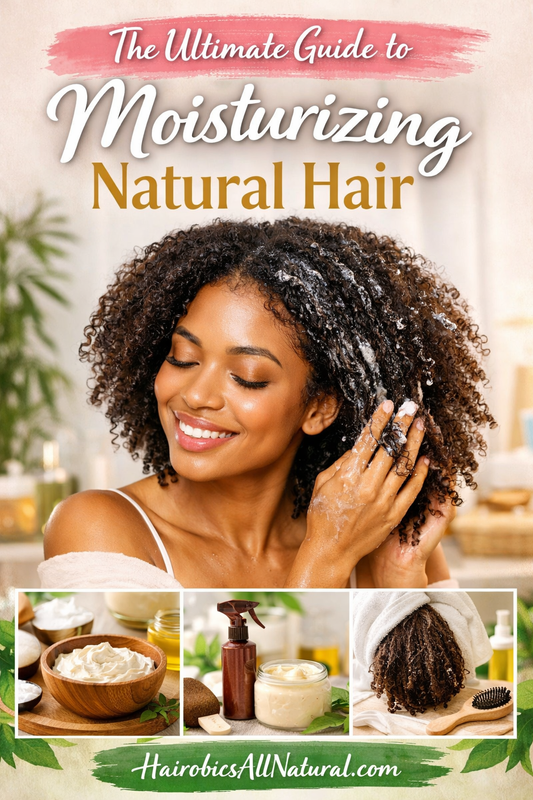
Natural hair thrives when it is properly moisturized. Yet many people struggle with dryness, breakage, and brittle strands—especially those with curly, coily, or kinky textures. Moisture is the foundation of healthy hair growth, elasticity, shine, and strength.
If your hair feels dry no matter how many products you apply, the problem often isn’t how much moisture you're using—it's how you're moisturizing.
This comprehensive guide will explain:
-
Why natural hair gets dry
-
The science of moisture in curly hair
-
The best ingredients for hydration
-
Step-by-step moisturizing routines
-
Mistakes that cause dryness
-
Daily, weekly, and seasonal hair hydration routines
-
How to lock moisture into braids, locs, and curly hair
-
The best oils, leave-ins, and moisturizers for natural hair
By the end of this guide, you'll know exactly how to keep your hair hydrated, soft, and growing.
Why Natural Hair Gets Dry So Easily
Before learning how to moisturize natural hair, it’s important to understand why it becomes dry in the first place.
1. Curly Hair Structure
Straight hair allows oil from the scalp to travel easily down the strand. Natural hair—especially type 3 and type 4 textures—has curves, bends, and coils that slow down oil distribution.
Because of this:
-
The scalp produces oil
-
But the ends rarely receive it
This leaves curls dry, fragile, and prone to breakage.
2. Sebum Can’t Travel Down the Strand
Sebum is the scalp’s natural moisturizer. In curly hair, sebum struggles to move through the twists and bends of each strand.
This is why:
-
The ends of natural hair are the driest
-
Protective styles are often recommended
-
Oils and moisturizers are needed
3. Porosity Affects Moisture Absorption
Hair porosity determines how well hair absorbs and retains moisture.
Low porosity hair:
-
Moisture sits on top
-
Hard to hydrate
Medium porosity hair:
-
Ideal moisture balance
High porosity hair:
-
Absorbs moisture quickly
-
Loses moisture quickly
Understanding porosity helps you choose the right moisturizing strategy.
4. Environmental Factors
Many external factors strip moisture from natural hair:
-
Sun exposure
-
Cold weather
-
Indoor heating
-
Air conditioning
-
Hard water
-
Pollution
These factors weaken the hair cuticle and cause dryness.
5. Heat Styling
Frequent use of heat tools can damage the hair cuticle.
Common heat tools include:
-
Flat irons
-
Curling irons
-
Blow dryers
Heat removes moisture from the hair shaft and can permanently damage curls.
The Science of Moisture in Natural Hair
Moisture in hair refers to water content within the hair shaft.
Hair needs water to maintain:
-
elasticity
-
softness
-
flexibility
-
strength
Dry hair becomes brittle and prone to breakage.
However, water evaporates quickly, which is why moisturizers and oils are needed to seal hydration into the hair.
The Three Components of Hair Moisture
Healthy hair moisture requires three types of ingredients.
1. Water (Hydration)
Water is the true moisturizer.
Without water, oils and creams cannot hydrate hair.
Sources of hydration include:
-
Water
-
Leave-in conditioners
-
Aloe vera
-
Hydrating sprays
2. Humectants (Moisture Attractors)
Humectants draw moisture from the air into hair.
Examples include:
-
Aloe vera
-
Honey
-
Glycerin
-
Panthenol
-
Agave nectar
These ingredients help hair stay hydrated longer.
3. Sealants (Moisture Locking Oils)
Sealants prevent moisture from escaping.
Examples include:
-
Castor oil
-
Coconut oil
-
Jojoba oil
-
Olive oil
-
Shea butter
Sealants create a protective barrier on the hair shaft.
The LOC and LCO Method
Two of the most popular moisturizing techniques for natural hair are:
LOC Method
Liquid → Oil → Cream
-
Liquid hydrates hair
-
Oil seals moisture
-
Cream locks everything in
LCO Method
Liquid → Cream → Oil
Some hair types absorb creams better before oils.
Both methods help prevent dryness and breakage.
Best Ingredients for Moisturizing Natural Hair
Choosing the right ingredients is essential.
Here are some of the best natural hair moisturizers.
Aloe Vera
Aloe vera contains:
-
vitamins
-
enzymes
-
amino acids
Benefits include:
-
deep hydration
-
scalp soothing
-
curl definition
Shea Butter
Shea butter is one of the most powerful natural moisturizers.
Benefits include:
-
sealing moisture
-
protecting hair
-
preventing breakage
Jamaican Black Castor Oil
This oil is famous for:
-
hair growth support
-
scalp nourishment
-
moisture retention
It works well for:
-
edges
-
dry scalp
-
protective styles
Coconut Oil
Coconut oil penetrates the hair shaft.
Benefits include:
-
strengthening hair
-
reducing protein loss
-
preventing breakage
Jojoba Oil
Jojoba oil closely resembles the scalp’s natural oil.
Benefits include:
-
balancing scalp oil production
-
sealing moisture
-
adding shine
Daily Moisturizing Routine for Natural Hair
A simple daily routine can dramatically improve hair hydration.
Step 1: Light Hydration
Spritz hair with:
-
water
-
aloe spray
-
leave-in conditioner
Step 2: Apply Moisturizer
Use a hydrating cream or leave-in conditioner.
Focus on:
-
mid-lengths
-
ends
Step 3: Seal with Oil
Use lightweight oils like:
-
jojoba oil
-
argan oil
-
castor oil
This locks moisture into the strand.
Weekly Deep Moisture Routine
Deep conditioning restores hydration and strengthens hair.
Step 1: Wash Hair
Use a sulfate-free shampoo to cleanse the scalp.
Step 2: Apply Deep Conditioner
Look for ingredients like:
-
shea butter
-
aloe vera
-
coconut oil
-
avocado oil
Step 3: Use Heat
Heat helps open the hair cuticle.
You can use:
-
a steamer
-
heated cap
-
warm towel
Step 4: Seal with Leave-In
After rinsing, apply leave-in conditioner and oil.
How to Moisturize Protective Styles
Protective styles help retain moisture and reduce breakage.
Popular styles include:
-
braids
-
twists
-
locs
-
crochet styles
Even in protective styles, hair still needs moisture.
Moisturizing Braids
Use a lightweight spray mixture:
-
water
-
aloe
-
oil
Spray scalp and braids 2–3 times per week.
Moisturizing Locs
Locs require lightweight products to prevent buildup.
Use:
-
aloe sprays
-
light oils
-
moisturizing mists
Moisturizing Twists
Twists hold moisture well.
Apply:
-
leave-in conditioner
-
oil
-
curl cream
Best Moisturizing Oils for Natural Hair
Here are the most effective oils for hydration.
Castor Oil
-
thick
-
seals moisture
-
supports hair growth
Argan Oil
-
lightweight
-
adds shine
-
reduces frizz
Olive Oil
-
rich moisturizer
-
strengthens hair
Grapeseed Oil
-
lightweight
-
good for fine curls
Signs Your Hair Needs More Moisture
Dry hair often shows clear warning signs.
Common signs include:
-
brittle strands
-
excessive breakage
-
dull appearance
-
frizz
-
tangling
If hair snaps easily when stretched, it likely needs moisture.
Signs Your Hair Has Too Much Moisture
Hair can also become over-moisturized.
Symptoms include:
-
mushy texture
-
limp curls
-
lack of structure
Balancing protein and moisture is important.
Protein vs Moisture Balance
Healthy hair requires both protein and moisture.
Protein strengthens hair structure.
Moisture provides flexibility.
Too much of either can cause damage.
How Weather Affects Hair Moisture
Different seasons require different moisturizing strategies.
Summer
Heat and humidity increase moisture loss.
Use:
-
lightweight leave-ins
-
protective styles
Winter
Cold air strips moisture.
Use:
-
thicker creams
-
oils
-
protective styles
Nighttime Moisture Protection
Nighttime care prevents overnight dryness.
Best practices include:
-
satin pillowcases
-
silk scarves
-
satin bonnets
These reduce friction and moisture loss.
How Often Should Natural Hair Be Moisturized?
Frequency depends on hair type.
Most natural hair benefits from:
Daily light hydration
Weekly deep conditioning
Monthly protein treatments
Moisturizing 4C Hair
4C hair often requires more hydration due to tight coils.
Best methods include:
-
LOC method
-
heavy creams
-
protective styling
Moisturizing Curly Hair (3A–3C)
Curly hair often prefers lighter products.
Use:
-
curl creams
-
leave-ins
-
lightweight oils
Moisturizing Low Porosity Hair
Low porosity hair needs:
-
warm water
-
lightweight products
-
steam treatments
Heavy oils can cause buildup.
Moisturizing High Porosity Hair
High porosity hair benefits from:
-
thick creams
-
oils
-
butters
These help seal moisture.
Common Moisturizing Mistakes
Many people unintentionally dry out their hair.
Common mistakes include:
Applying oil without water
Overwashing hair
Using harsh shampoos
Skipping deep conditioning
Using too much heat
DIY Moisturizing Hair Sprays
Homemade sprays can hydrate hair daily.
Aloe Moisture Spray
Ingredients:
-
distilled water
-
aloe vera juice
-
jojoba oil
Honey Hydration Spray
Ingredients:
-
water
-
honey
-
olive oil
The Role of Diet in Hair Moisture
Hair health also depends on nutrition.
Key nutrients include:
-
omega-3 fatty acids
-
vitamin E
-
biotin
-
zinc
-
iron
Hydration from water also supports healthy hair.
The Best Hairstyles for Moisture Retention
Some hairstyles help lock in hydration.
Examples include:
-
twists
-
braids
-
buns
-
protective styles
These reduce manipulation and breakage.
Building the Perfect Moisturizing Routine
A balanced routine includes:
Daily hydration
Weekly deep conditioning
Protective styling
Gentle cleansing
Minimal heat styling
Consistency is the key to healthy hair.
Final Thoughts: Healthy Hair Starts With Moisture
Moisture is the foundation of healthy natural hair.
When hair is hydrated:
-
breakage decreases
-
curls become defined
-
growth becomes easier
-
hair becomes softer and shinier
Understanding how moisture works—and building a consistent routine—can transform your natural hair journey.
By combining hydration, sealants, and protective styling, you can maintain strong, beautiful hair year-round.