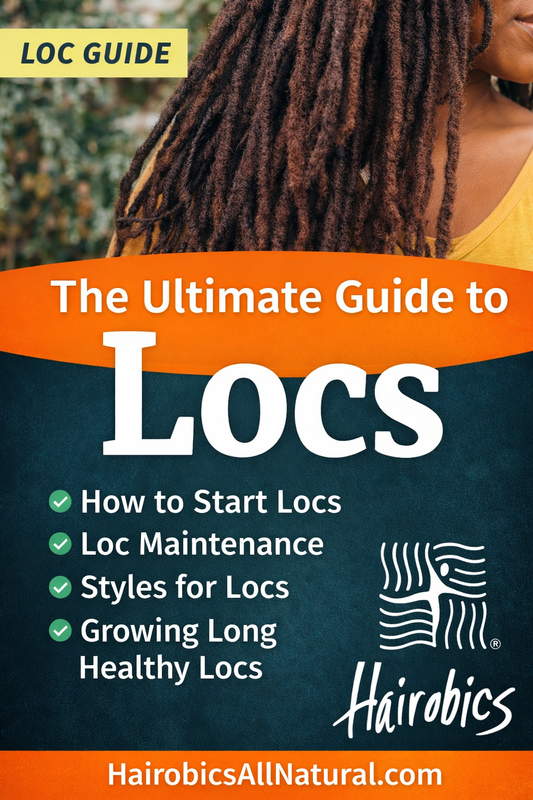
Everything You Need to Know About Starting, Growing, and Maintaining Healthy Locs
Locs are more than just a hairstyle — they are a cultural symbol, a lifestyle, and a powerful expression of identity. For centuries, locs have represented spirituality, strength, heritage, and self-acceptance across many cultures, especially within the African diaspora.
Today, millions of people around the world choose locs for their beauty, versatility, and low-manipulation hair care benefits. Whether you're thinking about starting locs, maintaining mature locs, or simply learning about them, understanding the process behind this unique hairstyle is essential.
In this complete guide to locs, you'll learn:
-
What locs are and how they form
-
Different types of locs
-
How to start locs
-
The stages of loc growth
-
How to care for locs properly
-
Mistakes that damage locs
-
How to grow long healthy locs
By the end of this guide, you'll understand everything you need to start and maintain strong, beautiful locs.
What Are Locs?
Locs (often called dreadlocks or locks) are strands of hair that form when hair coils, tangles, and binds together into rope-like sections.
Unlike many other hairstyles, locs are created by encouraging hair to naturally interlock and mature over time.
This process allows hair to form permanent strands that grow together rather than remaining loose.
Locs work especially well with curly and coily hair textures because the natural curl pattern helps hair interlock more easily.
The Cultural Significance of Locs
Locs carry deep cultural meaning across history.
Ancient cultures that wore locs include:
-
Ancient Egyptians
-
Maasai warriors in Kenya
-
Hindu holy men (Sadhus)
-
Rastafarians in Jamaica
For many people today, locs symbolize:
-
Spiritual connection
-
Cultural pride
-
Natural beauty
-
Freedom from Eurocentric beauty standards
In modern times, locs are worn by artists, professionals, athletes, and entrepreneurs around the world.
Benefits of Locs
Many people choose locs because they offer several advantages compared to other hairstyles.
1. Low Manipulation
Once locs mature, they require far less daily styling than loose natural hair.
2. Hair Retention
Because hair is not constantly combed or detangled, many people experience significant hair length retention.
3. Versatility
Locs can be styled in many ways including:
-
Updos
-
Braids
-
Buns
-
Ponytails
-
Loc curls
4. Natural Hair Protection
Locs protect hair ends and reduce breakage caused by constant styling.
Different Types of Locs
Not all locs look the same. Several techniques are used to start and maintain them.
Traditional Locs
Traditional locs form naturally over time without heavy manipulation.
They typically vary slightly in size and texture, giving them a natural appearance.
Sisterlocks
Sisterlocks are very small, uniform locs created using a specialized grid pattern and installation method.
They are lightweight and versatile but require professional installation.
Freeform Locs
Freeform locs develop with little to no manipulation.
Hair naturally locks together as it grows.
This method embraces the natural growth pattern of hair.
Interlocked Locs
Interlocking uses a tool to pull the ends of locs through the roots.
This technique helps maintain neat roots and prevents unraveling.
Two-Strand Twist Locs
Many people start locs using two-strand twists.
The twists gradually mat and lock over time.
How to Start Locs
Starting locs is a major decision because the process takes patience and commitment.
Here are the most common ways to start locs.
Comb Coils
Comb coils are created by twisting small sections of hair with a comb.
This method works well for shorter hair.
Two-Strand Twists
Two-strand twists are one of the most popular ways to start locs.
They are easy to install and maintain.
Braids
Some people start locs using braids.
This method provides strong structure during the early stages.
Instant Locs
Instant locs are created by crocheting hair into locs immediately.
This technique forms locs faster but requires skill.
The 5 Stages of Loc Growth
Understanding the stages of loc development helps set realistic expectations.
1. Starter Stage (1–3 Months)
Starter locs are newly formed and fragile.
Hair may:
-
unravel
-
frizz
-
feel loose
This stage requires gentle care.
2. Budding Stage (3–6 Months)
Hair begins to form knots and buds inside the loc.
This indicates the locking process has started.
3. Teen Stage (6–12 Months)
Locs become thicker and more structured.
Frizz is common during this stage.
4. Mature Stage (1–2 Years)
Locs become fully formed.
They are stronger, smoother, and more defined.
5. Rooted Stage (2+ Years)
Locs reach their most stable stage.
They become dense and heavy as they grow longer.
How to Maintain Healthy Locs
Healthy locs require consistent scalp care.
Wash Your Locs Regularly
Contrary to popular belief, locs should be washed regularly.
A clean scalp promotes healthy growth.
Use a gentle sulfate-free shampoo designed for natural hair.
Keep Your Scalp Moisturized
Dry scalp can lead to itching and breakage.
Using lightweight oils helps maintain scalp health.
Avoid Product Buildup
Heavy products like wax can cause buildup inside locs.
This buildup can weaken locs over time.
Protect Your Locs at Night
Sleeping without protection causes friction and dryness.
Use:
-
satin bonnets
-
silk scarves
-
satin pillowcases
Common Loc Mistakes
Avoiding these mistakes helps keep locs healthy.
Over-Retwisting
Retwisting too often weakens roots.
Most people only need retwists every 4–6 weeks.
Using Heavy Wax
Wax can trap dirt and cause buildup inside locs.
Lightweight products are better.
Neglecting the Scalp
Healthy locs begin with a healthy scalp.
Ignoring scalp care can slow hair growth.
How Long Do Locs Take to Grow?
Hair growth varies by person, but most people see significant length over time.
Average hair growth:
½ inch per month
Because locs retain shed hair, they often appear to grow faster than loose natural hair.
Best Styles for Locs
Locs are extremely versatile.
Popular styles include:
-
Loc buns
-
Half-up styles
-
Barrel twists
-
Loc ponytails
-
Loc braids
These styles allow creativity while protecting the hair.
How to Make Locs Grow Faster
Healthy hair growth depends on several factors.
Maintain a Healthy Scalp
Healthy follicles produce stronger hair strands.
Stay Hydrated
Hair needs moisture from both inside and outside the body.
Reduce Manipulation
Less manipulation means less breakage.
Use Natural Hair Oils
Natural oils help nourish the scalp and support hair health.
Loc Myths Debunked
Many misconceptions exist about locs.
Myth: Locs Are Dirty
Clean locs are maintained through regular washing.
Myth: Locs Can't Be Styled
Locs can be styled in many ways.
Myth: You Can't Undo Locs
Locs can actually be combed out with patience.
Locs and Hair Health
One reason locs are popular is because they allow hair to thrive with minimal manipulation.
With proper care, many people grow extremely long hair with locs.
Key habits for healthy locs include:
-
scalp care
-
gentle maintenance
-
avoiding heavy buildup
-
protective sleeping routines
The Journey of Locs
Starting locs is more than a hairstyle decision — it is a journey.
Every stage teaches patience and self-acceptance.
Over time, locs become a reflection of personal growth, identity, and culture.
For many people, locs represent freedom from unrealistic beauty standards and a deeper connection to natural hair.
Final Thoughts
Locs are one of the most beautiful and meaningful natural hairstyles in the world.
They offer:
-
cultural significance
-
hair protection
-
versatility
-
long-term hair growth benefits
Whether you are considering starting locs or already on your loc journey, understanding proper care and maintenance will help your locs thrive for years.
With patience, consistency, and the right hair care routine, locs can become a powerful symbol of strength, identity, and natural beauty.