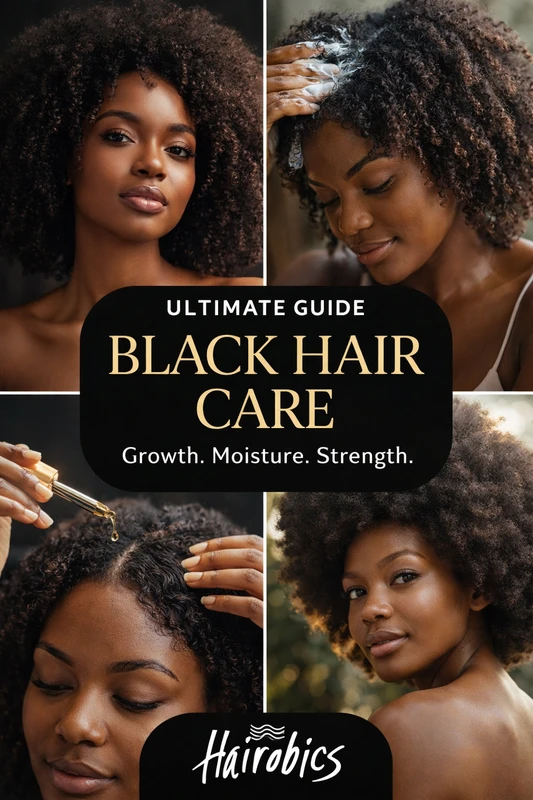
Black hair is powerful. It’s versatile. It’s expressive. It’s deeply rooted in culture, identity, and heritage. But caring for Black hair requires knowledge, intention, and the right routine.
Whether your hair is coily, kinky, curly, relaxed, in braids, locs, or natural, this complete SEO guide to Black hair care will help you understand:
-
How Black hair grows
-
Why moisture matters more than you think
-
How to prevent breakage
-
How to build a growth-focused routine
-
The best products and ingredients
-
Protective styling do’s and don’ts
-
Long-term strategies for thick, healthy hair
Let’s break it all down.
Understanding Black Hair Texture
Black hair typically falls into the Type 3 (curly) and Type 4 (coily/kinky) categories. These textures have unique characteristics:
1. Tighter Curl Pattern
The tighter the curl, the harder it is for natural scalp oils to travel down the hair shaft. This is why Black hair tends to be drier than straighter textures.
2. Shrinkage
Shrinkage is healthy. It means your curls are elastic and strong. However, it can make growth harder to see.
3. Fragility
The bends and coils in textured hair create weak points along the strand, making it more prone to breakage.
Because of this, Black hair care must focus on:
-
Moisture retention
-
Gentle handling
-
Scalp health
-
Protective styling
-
Low manipulation
The Foundation of Black Hair Care: Scalp Health
Healthy hair starts at the scalp.
If your scalp is inflamed, dry, clogged, or stressed, growth slows down.
Signs of an unhealthy scalp:
-
Persistent itching
-
Flaking
-
Tenderness
-
Redness
-
Slow growth
-
Excess shedding
How to maintain a healthy scalp:
✔ Cleanse regularly (but not excessively)
✔ Use lightweight oils to stimulate circulation
✔ Avoid heavy product buildup
✔ Massage scalp 3–5 minutes daily
✔ Manage stress
A clean, nourished scalp creates the perfect environment for strong growth.
Moisture: The #1 Priority in Black Hair Care
If you only remember one thing from this article, remember this:
Dry hair breaks. Moisturized hair retains length.
Black hair thrives when moisture is layered correctly.
The L.O.C. Method (Liquid, Oil, Cream)
-
Liquid – Water or water-based leave-in
-
Oil – Seals in hydration
-
Cream – Adds softness and hold
You can also try the L.C.O. method depending on your porosity.
Signs your hair lacks moisture:
-
Dull appearance
-
Rough texture
-
Excess tangling
-
Breakage at the ends
Hydrate consistently. Deep condition weekly. Seal moisture properly.
Porosity: Why Some Hair Absorbs Products Differently
Understanding porosity transforms your routine.
Low Porosity
-
Products sit on top
-
Takes longer to dry
-
Needs heat to absorb moisture
High Porosity
-
Absorbs quickly
-
Dries quickly
-
Loses moisture easily
Normal Porosity
-
Balanced moisture retention
When you match your routine to your porosity, your hair responds faster and grows stronger.
Building a Growth-Focused Routine
Growth is natural. Retention is the challenge.
Your Black hair routine should include:
1. Gentle Cleansing (1x per week or biweekly)
Use sulfate-free shampoo to remove buildup without stripping moisture.
2. Deep Conditioning (Weekly)
Look for ingredients like:
-
Aloe vera
-
Shea butter
-
Honey
-
Avocado oil
3. Leave-In Treatment
Keeps hair hydrated between washes.
4. Scalp Oil or Growth Serum
Massage into scalp to stimulate circulation.
5. Protective Styling
Reduces daily manipulation.
Consistency beats intensity.
Protective Styles: Do They Help Hair Grow?
Protective styles like:
-
Braids
-
Twists
-
Wigs
-
Sew-ins
-
Locs
Help with length retention — but only if installed correctly.
Protective Style Mistakes:
-
Too tight (causes traction alopecia)
-
Leaving styles in too long
-
Skipping scalp cleansing
-
Ignoring moisture
Healthy protective styling includes:
✔ Moisturizing before install
✔ Oiling scalp lightly
✔ Removing styles gently
✔ Taking breaks between installs
Protective styles protect length, not magically create growth.
Common Causes of Breakage in Black Hair
Understanding what damages hair is key.
1. Over-Manipulation
Constant combing, brushing, styling.
2. Heat Damage
Flat irons and blow dryers without protection.
3. Chemical Processing
Relaxers, excessive coloring.
4. Protein Overload
Too much strengthening without moisture.
5. Dry Climate & Seasonal Changes
Minimize damage to maximize retention.
The Role of Diet in Black Hair Care
Hair health reflects internal health.
Nutrients that support growth:
-
Iron
-
Zinc
-
Vitamin D
-
Biotin
-
Omega-3 fatty acids
-
Protein
Drink water consistently. Eat leafy greens. Prioritize whole foods.
Your hair follicles rely on blood circulation and nutrients.
How Stress Impacts Black Hair
Chronic stress raises cortisol levels.
This can lead to:
-
Increased shedding
-
Thinning edges
-
Slower growth
-
Scalp inflammation
Manage stress with:
-
Sleep
-
Exercise
-
Meditation
-
Scalp massages
Healthy hair is holistic.
How Often Should Black Hair Be Washed?
There is no universal answer.
General guidelines:
-
Active lifestyle: Weekly
-
Protective styles: Every 2–3 weeks (scalp cleansing)
-
Low manipulation natural styles: 7–14 days
Dirty scalp = clogged follicles = slowed growth.
Trimming: Does It Help Growth?
Trimming does not increase growth rate.
But it:
-
Prevents split ends
-
Stops breakage from traveling
-
Improves thickness appearance
Trim every 8–12 weeks depending on damage level.
Night Care Routine for Black Hair
Your nighttime routine can make or break your progress.
✔ Satin or silk pillowcase
✔ Satin bonnet or scarf
✔ Loose twists or braids
✔ Avoid tight pineapple styles
Cotton dries hair out and causes friction.
Black Hair Care for Different Lifestyles
Busy Moms
Low-maintenance protective styles work best.
Athletes
More frequent cleansing + scalp care.
Professionals
Defined styles that protect ends.
Postpartum Women
Focus on scalp stimulation and gentle handling.
Hair routines should fit your life.
Best Ingredients for Black Hair Care
Look for:
-
Castor oil
-
Jojoba oil
-
Aloe vera
-
Peppermint oil
-
Tea tree oil
-
Shea butter
-
Moringa oil
Avoid excessive alcohol-based products that dry strands.
How to Thicken Edges Naturally
Thin edges are common due to:
-
Tight styles
-
Stress
-
Hormonal changes
Solutions:
-
Reduce tension
-
Massage edges daily
-
Use lightweight growth oils
-
Avoid heavy gels
Patience is key. Edges recover slowly.
How Long Does It Take to See Growth?
On average, hair grows ½ inch per month.
That’s 6 inches per year — with proper retention.
If you focus on:
-
Moisture
-
Low manipulation
-
Scalp care
-
Protective styling
You’ll see progress within 90 days.
Myths About Black Hair Care
❌ “Black hair doesn’t grow.”
It grows — breakage hides length.
❌ “Grease moisturizes hair.”
It seals. It doesn’t hydrate.
❌ “Protective styles always help.”
Improper installs cause damage.
❌ “You shouldn’t wash often.”
Clean scalp supports growth.
Creating a Long-Term Black Hair Strategy
Healthy Black hair isn’t about trends.
It’s about:
-
Consistency
-
Patience
-
Knowledge
-
Gentle care
Instead of chasing quick fixes, build systems.
Weekly wash days.
Daily scalp massages.
Monthly trims.
Quarterly routine adjustments.
The Psychology of Black Hair
Black hair is more than beauty.
It’s expression.
It’s identity.
It’s power.
Caring for it intentionally builds confidence.
When your hair thrives, you feel unstoppable.
Final Thoughts: Mastering Black Hair Care
Black hair care is about understanding texture, protecting moisture, and prioritizing scalp health.
When you:
✔ Cleanse gently
✔ Deep condition weekly
✔ Protect ends
✔ Massage scalp
✔ Reduce tension
✔ Stay consistent
You create the ideal environment for growth, thickness, and long-term health.
Healthy Black hair isn’t accidental.
It’s strategic.
And when done right, it flourishes beautifully.