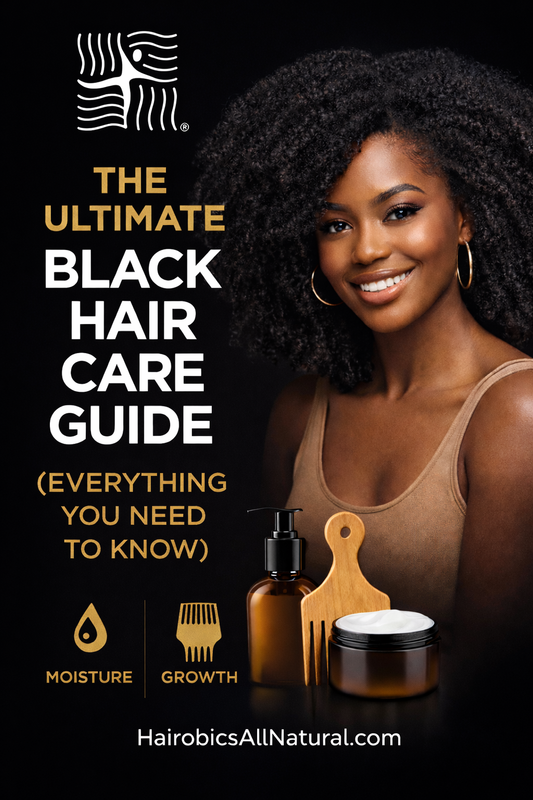
Black hair is powerful, versatile, and deeply connected to identity, culture, and history. Whether worn in locs, braids, twist-outs, afros, silk presses, or protective styles, Black hair carries beauty and meaning that extends far beyond aesthetics.
But caring for Black hair properly requires understanding its unique structure, needs, and behaviors. Many people struggle with dryness, breakage, slow growth, thinning edges, and scalp issues simply because most hair advice online is designed for straight hair.
This Ultimate Black Hair Care Guide will teach you everything you need to know — from the science of Black hair to daily care routines, growth strategies, protective styling, and long-term hair health.
If you want stronger, longer, healthier natural hair, this guide will help you get there.
Understanding Black Hair Structure
Before learning how to care for Black hair, it's important to understand why it behaves differently from other hair types.
The Shape of the Hair Strand
Hair strands are shaped differently depending on ethnicity and genetics.
Black hair typically has:
• Elliptical or flat-shaped strands
• Tight curls or coils
• Multiple bends along the strand
These bends are beautiful but also create structural weak points.
Each curve in the hair strand is a place where the hair can become weaker and more prone to breakage.
That is one of the main reasons Black hair requires extra moisture and gentle handling.
Why Black Hair Gets Dry Easily
Black hair tends to be drier than straight hair.
The reason is simple.
The scalp produces natural oils called sebum that travel down the hair shaft.
With straight hair, oil moves down the strand easily.
With curly or coily hair, the curls create obstacles that slow oil movement.
As a result:
• The scalp may be oily
• The ends may be extremely dry
• Moisture is harder to maintain
That is why moisturizing routines are essential for healthy Black hair.
The Fragility of Curly Hair
Because of the bends and twists in curly strands, Black hair is naturally more fragile.
This means it can break easily from:
• Over-manipulation
• Tight hairstyles
• Heat damage
• Lack of moisture
• Poor detangling techniques
However, when cared for properly, Black hair can become incredibly strong and resilient.
Black Hair Types Explained
Many people use the Andre Walker Hair Typing System to categorize curl patterns.
While not perfect, it helps describe different textures.
Type 3 Hair (Curly Hair)
3A: Loose curls
3B: Bouncy ringlets
3C: Tight corkscrew curls
These hair types typically have more moisture retention but still require proper care.
Type 4 Hair (Coily Hair)
Type 4 hair is the most common among Black women and men.
4A: Soft coils with visible curl pattern
4B: Zig-zag curls with less definition
4C: Tight coils with minimal visible pattern
Type 4 hair tends to be:
• Drier
• More delicate
• Highly shrinkable
However, it is also extremely versatile and capable of stunning styles.
The Black Hair Growth Cycle
Hair grows in cycles.
Understanding this helps people avoid unrealistic expectations.
The 3 Phases of Hair Growth
1. Anagen (Growth Phase)
This phase lasts 2–7 years.
Hair grows roughly ½ inch per month during this time.
2. Catagen (Transition Phase)
This phase lasts 2–3 weeks.
Hair stops growing and the follicle shrinks.
3. Telogen (Resting Phase)
This phase lasts 2–4 months.
Hair sheds and new hair begins forming.
Losing 50–100 hairs per day is completely normal.
How Fast Black Hair Actually Grows
A major myth is that Black hair grows slower than other hair types.
This is not true.
Black hair typically grows at the same rate as other hair types — about ½ inch per month.
The difference is length retention.
If hair breaks faster than it grows, it will appear like it is not growing.
Healthy routines help improve length retention, which leads to longer hair over time.
The Importance of Scalp Health
Healthy hair starts with a healthy scalp.
The scalp is living skin that contains thousands of hair follicles.
When the scalp becomes inflamed or unhealthy, hair growth can slow.
Common scalp issues include:
• Dry scalp
• Dandruff
• Product buildup
• Fungal imbalance
• Inflammation
Healthy scalp habits include:
• Regular cleansing
• Scalp massage
• Balanced moisture
• Avoiding excessive buildup
A healthy scalp creates the ideal environment for hair growth.
The Perfect Black Hair Washing Routine
Washing natural hair properly is one of the most important habits.
Many people damage their hair by washing incorrectly.
Step 1: Pre-Poo Treatment
Before shampooing, apply oil or conditioner to dry hair.
This step helps prevent moisture loss during washing.
Popular pre-poo oils include:
• Castor oil
• Coconut oil
• Olive oil
• Jojoba oil
Step 2: Gentle Shampoo
Use a sulfate-free shampoo to cleanse the scalp without stripping natural oils.
Focus shampoo on the scalp, not the ends.
Let the foam cleanse the rest of the hair.
Step 3: Deep Conditioning
Deep conditioning is essential for Black hair.
A good deep conditioner helps:
• Restore moisture
• Improve elasticity
• Reduce breakage
Leave deep conditioner on for 20–30 minutes.
Using heat can improve absorption.
Step 4: Leave-In Moisture
After washing, apply:
• Leave-in conditioner
• Moisturizer
• Oil or butter
This helps seal moisture inside the hair shaft.
The LOC and LCO Moisture Methods
Many people use layering techniques to keep hair moisturized.
LOC Method
Liquid
Oil
Cream
This method works well for low porosity hair.
LCO Method
Liquid
Cream
Oil
This method works better for high porosity hair.
Experiment to find what works best for your hair.
The Truth About Hair Oils
Hair oils are often misunderstood.
Oils do not actually moisturize hair.
Instead, they help:
• Seal moisture
• Reduce friction
• Protect hair strands
Common oils used in Black hair care include:
• Castor oil
• Argan oil
• Coconut oil
• Grapeseed oil
• Jojoba oil
When used correctly, oils help maintain hydration and shine.
Detangling Natural Hair Safely
Detangling is one of the biggest causes of breakage.
Always detangle gently and patiently.
Best practices include:
• Detangle on damp hair
• Use conditioner for slip
• Work in sections
• Start from the ends
• Use wide-tooth combs or fingers
Rushing detangling often leads to unnecessary hair loss.
Protective Styles That Help Hair Grow
Protective styles reduce manipulation and protect the ends.
Popular protective styles include:
• Box braids
• Knotless braids
• Twists
• Cornrows
• Wigs
• Crochet styles
• Locs
However, styles should never be too tight.
Tension can cause traction alopecia, which leads to thinning edges.
Heat Styling and Natural Hair
Heat can damage natural hair when used excessively.
Common heat tools include:
• Blow dryers
• Flat irons
• Curling irons
Heat damage occurs when high temperatures permanently change the hair structure.
If using heat:
• Use heat protectant
• Keep temperatures below 400°F
• Limit frequency
Many people choose heat-free styling to preserve curl patterns.
How to Prevent Breakage
Breakage is one of the biggest obstacles to long hair.
Common causes include:
• Dryness
• Tight hairstyles
• Rough detangling
• Heat damage
• Protein imbalance
Prevent breakage by focusing on:
• Moisture
• Gentle handling
• Protective styling
• Regular trims
Trimming Natural Hair
Trimming removes damaged ends that can split upward.
Signs you need a trim:
• Tangled ends
• Single strand knots
• Thin ends
• Excess breakage
Most people benefit from trimming every 3–4 months.
Nutrition and Hair Health
Hair health is also influenced by diet and nutrition.
Important nutrients include:
• Protein
• Iron
• Biotin
• Zinc
• Omega-3 fatty acids
• Vitamins A, C, D, and E
Healthy foods that support hair growth include:
• Eggs
• Fish
• Nuts
• Leafy greens
• Sweet potatoes
• Avocados
Proper nutrition supports stronger hair growth.
Nighttime Hair Care
Night routines protect hair while you sleep.
Cotton pillowcases absorb moisture and create friction.
Instead use:
• Satin pillowcases
• Silk pillowcases
• Satin bonnets
• Satin scarves
Night protection helps reduce:
• Breakage
• Tangling
• Frizz
Common Black Hair Care Mistakes
Many people unknowingly damage their hair with bad habits.
Common mistakes include:
Over-Manipulating Hair
Constant styling can weaken strands.
Skipping Deep Conditioning
Moisture treatments are essential.
Tight Hairstyles
Edges are extremely delicate.
Ignoring Scalp Health
Healthy hair starts at the roots.
Excessive Heat
Heat damage can permanently alter curl patterns.
Avoiding these mistakes dramatically improves hair health.
How to Grow Longer Natural Hair
Long hair comes from length retention, not faster growth.
Strategies for longer hair include:
• Protective styles
• Consistent moisture routines
• Gentle detangling
• Low manipulation
• Healthy diet
• Scalp care
Consistency matters more than expensive products.
Black Hair and Cultural Identity
Black hair has deep cultural significance.
Throughout history, hairstyles have represented:
• Identity
• Community
• Resistance
• Creativity
• Heritage
From ancient African braiding traditions to modern natural hair movements, Black hair continues to symbolize pride and individuality.
Creating a Simple Weekly Hair Routine
A simple routine can keep hair healthy without stress.
Example routine:
Wash Day (1x per week)
Shampoo + deep condition
Mid-Week Moisture
Apply leave-in + oil
Protective Styling
Twists, braids, buns
Night Protection
Satin bonnet or pillowcase
Consistency is the key to success.
The Future of Black Hair Care
The natural hair movement continues to grow globally.
More people are embracing:
• Natural textures
• Protective styling
• Healthy hair routines
• Cultural pride
Education about Black hair science is improving, helping people achieve stronger, healthier hair than ever before.
Final Thoughts
Black hair is beautiful, unique, and versatile.
With the right knowledge and care, anyone can maintain healthy natural hair.
Remember the core principles:
• Moisture matters
• Gentle handling prevents breakage
• Healthy scalp supports growth
• Consistency creates results
Hair growth takes time, but with the right habits, your hair can become stronger, longer, and healthier over the years.
If you stay consistent with your routine and focus on moisture, scalp health, and protection, your hair will reward you.
Healthy hair is not about perfection.
It’s about understanding your hair and giving it what it needs.