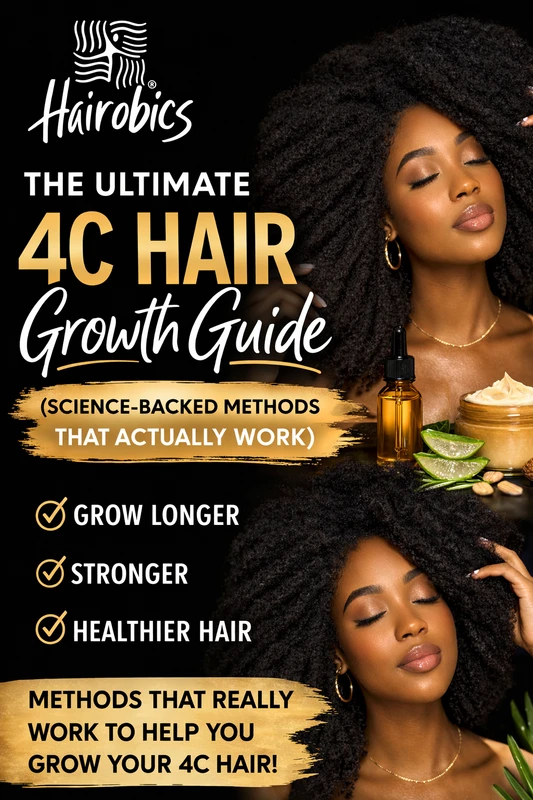
4C hair is one of the most beautiful, unique, and misunderstood hair types in the world. It is strong, versatile, and capable of incredible styles—from full natural afros to intricate braids, twists, and locs. Yet many people with 4C hair struggle with slow growth, dryness, and breakage.
The truth is that 4C hair absolutely grows, but it requires the right techniques, moisture balance, and care to retain length.
In this ultimate guide, we’ll break down the science of 4C hair growth, the biggest mistakes people make, and the methods that actually work to help your hair grow longer, thicker, and healthier.
Whether you’re starting your natural hair journey or trying to break through a growth plateau, this guide will show you exactly what your hair needs to thrive.
Understanding 4C Hair Structure
Before talking about growth, it’s important to understand what makes 4C hair different from other hair types.
4C hair belongs to the Type 4 hair category, which includes:
-
4A: defined coils
-
4B: zig-zag pattern
-
4C: tight coils with little visible curl pattern
Characteristics of 4C Hair
4C hair typically has:
• Tight coils or zig-zag pattern
• High shrinkage (up to 70–80%)
• Dense strands
• Fragility due to tight bends
• Naturally dry texture
These characteristics influence how 4C hair grows and why it sometimes appears to grow slowly.
Does 4C Hair Grow Slower?
A common myth is that 4C hair grows slower than other hair types.
Scientifically, this is not true.
All human hair grows at roughly the same rate:
Average hair growth rate:
0.5 inches per month
6 inches per year
However, people with 4C hair often experience length retention issues, meaning hair grows but breaks before noticeable length appears.
This is why many people say:
"My hair isn’t growing."
In reality, the issue is often breakage rather than growth.
The Science of Hair Growth
Hair grows from follicles located in the scalp. Each strand goes through a growth cycle consisting of three phases.
1. Anagen Phase (Growth Phase)
This phase lasts 2–7 years and determines how long hair can grow.
The longer the anagen phase, the longer hair can become.
2. Catagen Phase (Transition Phase)
Hair follicles shrink and detach from the blood supply.
This phase lasts about 2 weeks.
3. Telogen Phase (Resting Phase)
Hair stops growing and eventually sheds.
About 10–15% of hair is in this phase at any time.
Understanding this cycle is crucial because many factors can shorten the growth phase, including:
• Stress
• Poor scalp health
• Nutritional deficiencies
• Excessive breakage
Why 4C Hair Breaks Easily
4C hair’s tight curl pattern creates many weak points along the strand.
Each bend in the hair shaft becomes a potential point of stress.
This leads to:
• More tangles
• More friction
• Higher breakage risk
Additionally, natural scalp oils struggle to travel down tightly coiled strands, making 4C hair more prone to dryness.
Dry hair = brittle hair = breakage.
The 10 Most Important Rules for Growing 4C Hair
Growing healthy 4C hair is about retaining length while maintaining scalp health.
These principles form the foundation of strong growth.
1. Keep 4C Hair Moisturized
Moisture is the most important factor for preventing breakage.
Because natural oils don’t easily move down coiled hair, external moisture is essential.
Best Moisturizing Method
Many natural hair experts recommend the LOC or LCO method.
LOC Method
L – Liquid (water or leave-in conditioner)
O – Oil (seals moisture)
C – Cream (locks moisture)
For extremely dry hair, LCO may work better.
2. Protect Your Ends
The ends of your hair are the oldest and most fragile part.
If ends break, you lose months of growth.
Protect them by:
• Tucking ends in styles
• Avoiding constant manipulation
• Using satin protection at night
3. Maintain a Healthy Scalp
Hair growth starts at the scalp.
A healthy scalp means:
• Proper circulation
• Clean follicles
• Balanced oil production
Scalp oils like castor oil, peppermint oil, and rosemary oil can support circulation and follicle health.
4. Wash Hair Regularly
Many people avoid washing 4C hair too often, but a clean scalp grows healthier hair.
Dirt, product buildup, and excess oil can clog follicles.
Most experts recommend washing:
Every 7–14 days
Using sulfate-free shampoos helps preserve moisture.
5. Detangle Gently
Improper detangling causes massive breakage.
Always detangle:
• On damp hair
• With conditioner
• Starting from the ends upward
Tools that help include:
• Wide-tooth combs
• Detangling brushes
• Finger detangling
6. Use Protective Styles
Protective styles help reduce manipulation and protect fragile ends.
Popular protective styles include:
• Box braids
• Knotless braids
• Twists
• Cornrows
• Wigs
• Locs
However, styles should not be too tight.
Tension can damage hair follicles and lead to traction alopecia.
7. Deep Condition Weekly
Deep conditioning restores moisture and elasticity.
This is especially important for 4C hair.
Look for ingredients like:
• Shea butter
• Aloe vera
• Coconut oil
• Honey
• Protein treatments
Deep conditioning helps hair withstand manipulation.
8. Sleep Protection Matters
Cotton pillowcases absorb moisture and create friction.
Switching to:
• Satin bonnets
• Silk scarves
• Satin pillowcases
can dramatically reduce breakage.
9. Avoid Heat Damage
Excessive heat weakens the hair’s protein structure.
Frequent flat ironing can cause:
• Curl pattern damage
• Dryness
• Breakage
If using heat, always apply heat protectant.
10. Trim Split Ends
Split ends travel upward if not removed.
Regular trims prevent damage from spreading.
Recommended trimming schedule:
Every 8–12 weeks.
The Best Ingredients for 4C Hair Growth
Certain ingredients are particularly beneficial for coily hair.
Castor Oil
Castor oil contains ricinoleic acid, which may improve scalp circulation.
Benefits:
• Thickens strands
• Supports scalp health
• Seals moisture
Aloe Vera
Aloe vera helps soothe the scalp and balance pH levels.
Benefits:
• Reduces dandruff
• Hydrates hair
• Strengthens strands
Rosemary Oil
Rosemary oil has been studied for hair growth benefits.
Research suggests it may improve blood circulation to follicles.
Shea Butter
Shea butter is one of the best natural moisturizers for 4C hair.
Benefits include:
• Reducing dryness
• Protecting against breakage
• Improving elasticity
The Ideal Weekly Routine for 4C Hair
A consistent routine is the key to long-term growth.
Day 1 – Wash Day
• Shampoo scalp
• Deep condition
• Detangle gently
• Apply leave-in moisturizer
Day 2–4
Moisturize hair using:
Water + oil + cream
Day 5–7
Protect hair in styles like:
• Twists
• Braids
• Buns
Repeat the cycle weekly.
Nutrition and 4C Hair Growth
Hair health is closely connected to diet.
Hair follicles require nutrients to produce strong strands.
Key nutrients include:
Protein
Hair is made of keratin, a protein.
Protein sources:
• Eggs
• Fish
• Beans
• Lentils
Iron
Iron deficiency can cause hair shedding.
Sources include:
• Spinach
• Red meat
• Pumpkin seeds
Biotin
Biotin supports keratin production.
Sources include:
• Nuts
• Avocados
• Whole grains
Omega-3 Fatty Acids
Omega-3s help keep the scalp hydrated.
Sources include:
• Salmon
• Chia seeds
• Flaxseed
How Long Does It Take to Grow Long 4C Hair?
Hair growth depends heavily on length retention.
If hair grows 6 inches per year:
After 1 year: 6 inches
After 2 years: 12 inches
After 3 years: 18 inches
However, many people only retain 3–4 inches per year due to breakage.
Improving hair care routines can dramatically increase retention.
The Biggest 4C Hair Growth Mistakes
Avoiding common mistakes can accelerate growth dramatically.
Over-manipulation
Constant styling causes breakage.
Skipping Moisture
Dry hair breaks easily.
Tight Protective Styles
Excess tension damages follicles.
Ignoring Scalp Health
A clogged scalp slows growth.
Protective Styles That Help 4C Hair Grow
Certain styles minimize breakage.
Great options include:
• Two-strand twists
• Knotless braids
• Flat twists
• Cornrows
• Bantu knots
Protective styles work best when combined with a moisturizing routine.
How to Break Through a Hair Growth Plateau
Many people experience a growth plateau where hair stops appearing longer.
This usually occurs due to:
• Breakage
• Split ends
• Poor moisture balance
Solutions include:
• Trimming damaged ends
• Improving hydration
• Reducing manipulation
The Role of Hair Oils in Growth
Hair oils do not technically make hair grow faster.
However, they create the conditions for healthy growth.
Oils help by:
• Sealing moisture
• Reducing breakage
• Protecting strands
This helps retain the length your hair naturally produces.
Building a Long-Term 4C Hair Growth Strategy
Healthy hair growth is a long-term process.
The most successful routines focus on:
Consistency
Moisture
Protection
Nutrition
Small improvements in these areas can produce dramatic results over time.
Final Thoughts
4C hair is powerful, resilient, and capable of incredible growth.
The key to longer, healthier hair isn’t chasing miracle products—it’s understanding the science behind hair growth and building a routine that supports it.
By maintaining moisture, protecting fragile ends, and caring for your scalp, you can dramatically improve length retention and see real progress in your hair journey.
With patience and consistency, your 4C hair can grow stronger, thicker, and longer than you ever imagined.