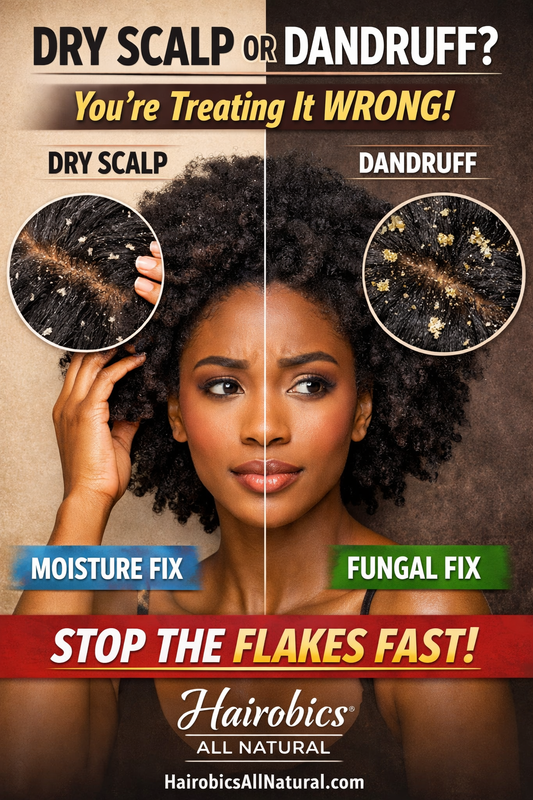
Introduction: Why You Keep Treating the Wrong Problem
If you’ve ever dealt with flakes, itchiness, or scalp irritation, you’ve probably asked yourself:
“Do I have dry scalp or dandruff?”
Here’s the truth:
? Most people get this wrong — and it’s costing them healthy hair growth.
Using the wrong treatment doesn’t just fail to fix the issue…
It can actually make your scalp worse.
- Using oils on dandruff? ❌ Can feed fungus
- Using harsh anti-dandruff shampoos on dry scalp? ❌ Can cause breakage and dryness
That’s why understanding the difference between dry scalp and dandruff is one of the most important steps in your hair growth journey.
In this guide, you’ll learn:
✔ The real difference between dry scalp vs dandruff
✔ How to tell which one you have
✔ The exact treatments that actually work
✔ How to restore a healthy, flake-free scalp
✔ How to grow longer, stronger hair with the right routine
What Is a Dry Scalp?
A dry scalp happens when your scalp lacks enough natural moisture.
Just like dry skin on your face or body, your scalp becomes:
- Tight
- Irritated
- Flaky
- Itchy
Common Causes of Dry Scalp
Dry scalp is usually caused by moisture imbalance, not infection.
Here are the biggest culprits:
- Cold weather or dry air
- Overwashing your hair
- Using harsh shampoos (sulfates)
- Lack of hydration
- Not sealing moisture into your scalp
- Product buildup blocking moisture absorption
Signs You Have a Dry Scalp
- Small, white flakes
- Tight or “stretched” feeling scalp
- Mild itching
- Dull-looking hair
- Increased breakage
? Flakes are usually dry and powdery, not oily.
What Is Dandruff?
Dandruff is completely different.
It’s not just dryness — it’s actually linked to a fungal imbalance on your scalp.
The main cause is a yeast-like fungus called Malassezia, which naturally lives on your scalp.
When it overgrows, it leads to:
- Irritation
- Oil imbalance
- Rapid skin cell turnover
- Flaking
Common Causes of Dandruff
- Excess oil production
- Fungal overgrowth
- Poor scalp hygiene
- Stress
- Hormonal changes
- Product buildup feeding yeast
Signs You Have Dandruff
- Larger flakes (white or yellow)
- Oily or greasy scalp
- Persistent itching
- Redness or inflammation
- Flakes that stick to hair strands
? Dandruff flakes are often thicker, oily, and clumped together.
Dry Scalp vs Dandruff: Key Differences
Let’s break it down clearly:
| Feature | Dry Scalp | Dandruff |
|---|---|---|
| Cause | Lack of moisture | Fungal overgrowth |
| Flake Size | Small, dry | Large, oily |
| Scalp Condition | Dry, tight | Oily, irritated |
| Itching | Mild | Moderate to severe |
| Hair Impact | Breakage | Shedding, irritation |
| Treatment | Moisturize | Antifungal care |
? Biggest mistake: treating dandruff like dryness.
Why This Matters for Hair Growth
A healthy scalp = healthy hair growth.
When your scalp is off balance:
- Hair follicles weaken
- Growth slows down
- Breakage increases
- Edges thin out
Whether it’s dryness or dandruff, both can:
❌ Disrupt hair growth cycles
❌ Cause inflammation
❌ Lead to hair thinning over time
How to Tell Which One You Have (At Home Test)
Here’s a simple way to diagnose your scalp:
Step 1: Look at the flakes
- Powdery = dry scalp
- Clumpy/oily = dandruff
Step 2: Touch your scalp
- Tight and dry = dry scalp
- Greasy or sticky = dandruff
Step 3: Check itching level
- Mild = dry scalp
- Intense = dandruff
Step 4: Wash your hair
- Flakes disappear after moisturizing → dry scalp
- Flakes return quickly → dandruff
How to Treat Dry Scalp (Step-by-Step)
If your issue is dryness, your goal is simple:
? Restore moisture and lock it in
1. Hydrate Your Scalp
Use lightweight, penetrating oils like:
- Jojoba oil
- Argan oil
- Grapeseed oil
These mimic natural scalp oils and absorb easily.
2. Use a Moisturizing Shampoo
Avoid:
❌ Sulfates
❌ Alcohol-heavy products
Look for:
✔ Hydrating ingredients
✔ Gentle cleansers
3. Deep Condition Weekly
Focus on both hair AND scalp.
4. Seal Moisture In
After applying moisture, seal it with oils or butters.
? This is where Hairobics All Natural products come in strong — especially your scalp oils and leave-in treatments.
5. Drink More Water
Hydration starts from within.
How to Treat Dandruff (Step-by-Step)
If you have dandruff, your focus changes:
? Control fungus + rebalance scalp
1. Cleanse Regularly
Don’t skip wash days.
A dirty scalp feeds yeast growth.
2. Use Antifungal Ingredients
Look for:
- Tea tree oil
- Neem oil
- Peppermint oil
- Zinc-based shampoos
3. Avoid Heavy Oils
❌ Thick oils can worsen dandruff
❌ They feed fungal growth
4. Exfoliate the Scalp
Use gentle exfoliation to remove buildup.
5. Reduce Stress
Stress increases dandruff flare-ups.
The Biggest Mistakes People Make
❌ Treating dandruff with heavy oils
❌ Ignoring scalp hygiene
❌ Overwashing dry scalp
❌ Using harsh shampoos
❌ Not identifying the root cause
The Perfect Scalp Care Routine (For Both)
Here’s a balanced routine that works for most people:
Weekly Routine
1. Cleanse (1–2x per week)
Use a gentle shampoo
2. Treat Scalp
- Dry scalp → moisturizing oils
- Dandruff → antifungal oils
3. Moisturize
Apply a leave-in treatment
4. Seal
Lock in hydration
Natural Remedies That Actually Work
For Dry Scalp
- Aloe vera
- Coconut milk
- Honey treatments
For Dandruff
- Apple cider vinegar rinse
- Tea tree oil
- Neem oil
How Hairobics All Natural Helps
Your brand is perfectly positioned here ?
Why Your Products Work:
✔ Natural oils = scalp nourishment
✔ Lightweight formulas = no buildup
✔ Growth-focused ingredients = longer hair
Best Product Positioning:
- Scalp oils → Dry scalp hydration
- Leave-in treatments → Moisture retention
- Lightweight sprays → Daily scalp refresh
? This is where you convert readers into customers.
Preventing Flakes Long-Term
Consistency is key.
Do This:
✔ Keep scalp clean
✔ Moisturize regularly
✔ Avoid heavy buildup
✔ Use the right products
Final Thoughts: Fix Your Scalp, Fix Your Hair Growth
Here’s the bottom line:
? Dry scalp = moisture problem
? Dandruff = fungal problem
Once you understand this, everything changes.
You stop guessing…
You stop wasting money…
You start seeing real results.
And most importantly:
✨ Your hair starts growing the way it should