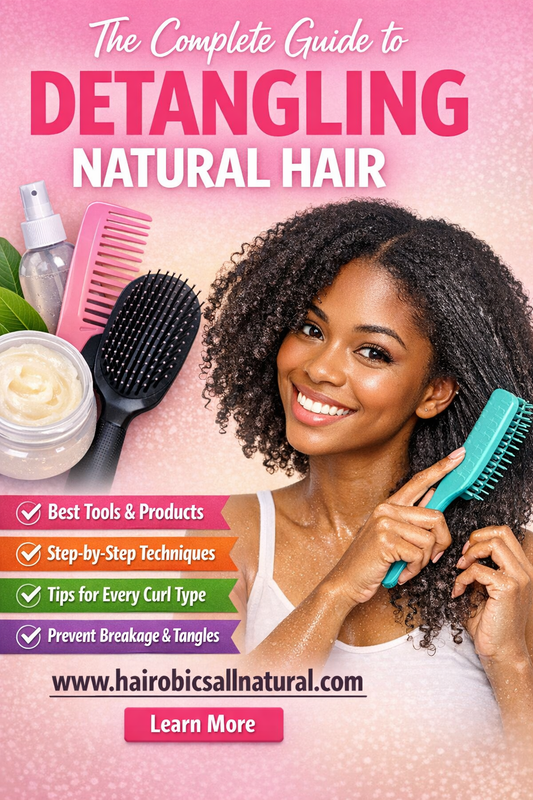
Learn how to detangle natural hair the right way. This complete guide covers techniques, tools, routines, and expert tips to prevent breakage and retain length.
Table of Contents
-
Why Detangling Natural Hair Is So Important
-
Understanding Natural Hair Structure
-
What Causes Tangles and Knots
-
The Biggest Detangling Mistakes
-
Wet vs Dry Detangling: Which Is Better?
-
Step-by-Step Detangling Routine
-
The Best Tools for Detangling Natural Hair
-
Finger Detangling vs Combs vs Brushes
-
Detangling Different Hair Types (3A–4C)
-
How Often Should You Detangle?
-
Detangling Before Washing vs After
-
How to Detangle Extremely Matted Hair
-
How to Prevent Tangles in the First Place
-
Protective Styles That Reduce Tangling
-
Nighttime Routine for Tangle-Free Hair
-
Detangling for Kids (Without Tears)
-
How Diet and Health Affect Tangling
-
Seasonal Detangling Tips
-
Signs You’re Detangling Wrong
-
Final Routine for Maximum Hair Growth
1. Why Detangling Natural Hair Is So Important
Detangling is one of the most critical steps in maintaining healthy natural hair. If done incorrectly, it can lead to:
-
Breakage
-
Split ends
-
Thinning edges
-
Stunted growth
But when done properly, detangling helps:
-
Retain length
-
Reduce shedding confusion
-
Improve moisture absorption
-
Enhance curl definition
? Truth: Most people don’t struggle with hair growth—they struggle with length retention due to poor detangling habits.
2. Understanding Natural Hair Structure
Natural hair—especially Type 3 and Type 4—has:
-
Tight curls and coils
-
Multiple bends along the strand
-
Dryer texture due to sebum distribution challenges
These characteristics make hair more prone to:
-
Tangling
-
Single-strand knots
-
Matting
The tighter the curl, the more careful your detangling process must be.
3. What Causes Tangles and Knots
Tangles don’t just “happen”—they’re caused by specific factors:
? Dryness
Dry hair creates friction → friction creates knots.
? Product buildup
Heavy buildup makes strands stick together.
? Skipping detangling days
The longer you wait, the worse it gets.
? Shrinkage
Hair wraps around itself, forming knots.
? Sleeping without protection
Cotton pillowcases = friction = tangles.
4. The Biggest Detangling Mistakes
Avoid these at all costs:
❌ Detangling dry hair without moisture
❌ Starting from the roots instead of the ends
❌ Using fine-tooth combs
❌ Rushing the process
❌ Not sectioning your hair
? These mistakes alone are responsible for most natural hair breakage.
5. Wet vs Dry Detangling: Which Is Better?
Wet Detangling (Recommended for most)
-
Hair is softer and more flexible
-
Easier slip with conditioner
Damp Detangling (Best balance)
-
Stronger than soaking wet hair
-
Less breakage
Dry Detangling
-
Only safe with heavy oils or butters
-
Risky for beginners
? Best method: Slightly damp hair + conditioner or leave-in = maximum slip.
6. Step-by-Step Detangling Routine
Step 1: Section Your Hair
Divide into 4–8 sections.
Step 2: Add Moisture
Use water + leave-in conditioner.
Step 3: Apply Slip Product
Use a product that provides glide.
Step 4: Finger Detangle First
Gently separate knots using your fingers.
Step 5: Use a Wide-Tooth Comb
Start from ends → work upward.
Step 6: Twist Each Section
Keep hair stretched and organized.
7. The Best Tools for Detangling Natural Hair
Must-Have Tools:
-
Wide-tooth comb
-
Detangling brush
-
Spray bottle
-
Sectioning clips
? Always choose tools that glide, not pull.
8. Finger Detangling vs Combs vs Brushes
Finger Detangling
✔ Least breakage
✔ Best for length retention
Combs
✔ Faster
✔ Good for defined sections
Brushes
✔ Smooth finish
✔ Best after detangling
? Best combo: Fingers first → comb → brush last.
9. Detangling Different Hair Types
Type 3 (Curly)
-
Less prone to shrinkage
-
Easier to detangle
Type 4A
-
Moderate density
-
Needs consistent moisture
Type 4B/4C
-
Most fragile
-
Requires patience and slip
? The tighter the curl, the more gentle you must be.
10. How Often Should You Detangle?
-
Loose natural hair: 1–2x per week
-
Protective styles: Before and after install
-
High-density hair: More frequent light detangling
11. Detangling Before Washing vs After
Before Washing (Highly Recommended)
-
Removes shed hair
-
Prevents matting during shampoo
After Washing
-
Easier with conditioner
-
Requires careful handling
? Best routine: Light detangle before + full detangle during conditioning.
12. How to Detangle Extremely Matted Hair
-
Saturate hair with water
-
Apply conditioner generously
-
Let it sit for 20–30 minutes
-
Use fingers ONLY at first
-
Work slowly in tiny sections
⚠️ Never rip through matted hair—you’ll lose inches.
13. How to Prevent Tangles in the First Place
-
Keep hair moisturized
-
Stretch hair (twists, braids)
-
Sleep with satin bonnet
-
Avoid excessive manipulation
14. Protective Styles That Reduce Tangling
-
Two-strand twists
-
Braids
-
Bantu knots
-
Wigs (properly maintained)
15. Nighttime Routine for Tangle-Free Hair
-
Pineapple your hair
-
Use satin bonnet or pillowcase
-
Lightly moisturize ends
16. Detangling for Kids (Without Tears)
-
Use extra conditioner
-
Detangle in small sections
-
Be gentle and patient
-
Turn it into a routine
17. How Diet and Health Affect Tangling
Healthy hair = easier detangling.
Focus on:
-
Hydration
-
Vitamins (Biotin, Iron)
-
Protein intake
18. Seasonal Detangling Tips
Winter
-
More moisture needed
-
Avoid dryness
Summer
-
Sweat buildup → more frequent detangling
19. Signs You’re Detangling Wrong
-
Excessive hair in comb
-
Breakage instead of shed strands
-
Pain during detangling
? If it hurts, you’re doing it wrong.
20. Final Routine for Maximum Hair Growth
Here’s a growth-focused detangling routine:
-
Light pre-detangle before wash
-
Deep condition weekly
-
Detangle in sections with slip
-
Stretch hair after detangling
-
Protect hair at night
? Consistency = longer, thicker hair over time.
Conclusion
Detangling natural hair isn’t just a step—it’s a foundation for growth, health, and length retention.
When done correctly, you’ll notice:
-
Less breakage
-
More growth retention
-
Softer, healthier hair
Bonus: Pro Tips for Faster Growth
-
Always detangle with moisture
-
Be patient—rushing causes damage
-
Use high-slip products
-
Keep hair stretched
Ready to Transform Your Hair?
If you want stronger, longer, and healthier hair, your detangling routine must be intentional and consistent.
Your hair growth journey doesn’t start with products—it starts with how you handle your hair.