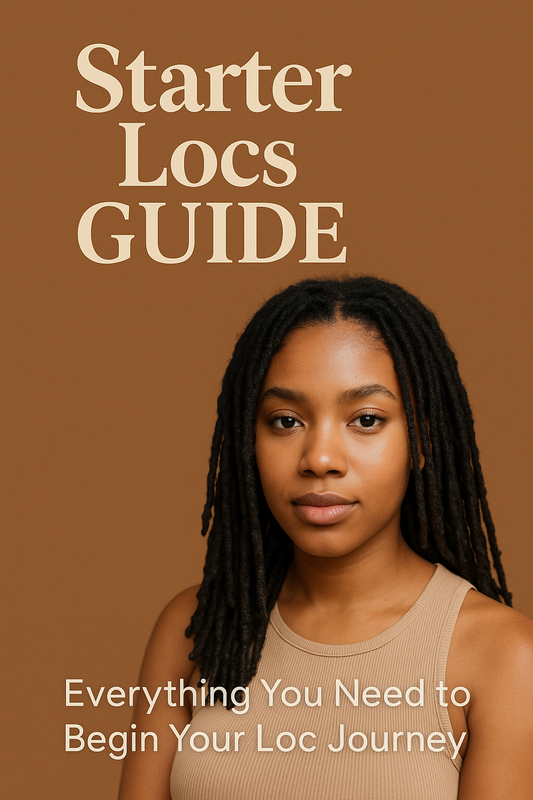
Starting locs is an exciting and transformative hair journey—one that celebrates natural hair, individuality, and long-term growth. But if you're a beginner, you probably have questions: Which starter loc method is best? How long will the process take? What products should I use? How do I maintain my starter locs without frizzing them up?
This complete Starter Locs Guide breaks down everything you need to know so your journey begins with confidence, clarity, and beautiful results.
What Are Starter Locs?
Starter locs are the first phase of dreadlocks (locs) formation. Your coils or twists are just beginning to mat, lock, and form structure.
During this early phase, hair is still loose and soft—meaning proper care and patience are essential. Starter locs gradually evolve through stages over time, creating mature, strong locs.
Starter Loc Stages Timeline
| Stage | Description | Time Frame |
|---|---|---|
| Starter / Baby Locs | Coils or twists installed | 0–6 months |
| Budding | Hair begins to swell + frizz | 6–12 months |
| Teen Locs | Shape forms, less unraveling | 12–18 months |
| Mature Locs | Fully formed locs | 18–24 months+ |
Note: everyone's journey is unique depending on hair type, maintenance routine, and installation method.
Best Methods to Start Locs
There are several ways to start your locs—choose based on your texture, lifestyle, and desired look.
✅ 1. Coil Method
Best for: Tight curl patterns (4A-4C)
Pros: Defined, neat look; easy to start
Cons: Can unravel early on
✅ 2. Two-Strand Twists
Best for: Thick and coily hair
Pros: Excellent for beginners, less unraveling than coils
Cons: Twist pattern visible early on
✅ 3. Braids / Plaits
Best for: Long hair or loose curls
Pros: Great hold, minimal unraveling
Cons: Braid pattern may take longer to disappear
✅ 4. Comb Coils
Best for: Short hair & natural coils
Pros: Clean parting and uniformity
Cons: Needs skill to install perfectly
✅ 5. Interlocking
Best for: Sweaty lifestyles, swimmers, soft hair textures
Pros: Great for maintenance, prevents unraveling
Cons: Less volume early on
✅ 6. Freeform / Semi-Freeform
Best for: Low-maintenance lovers
Pros: Organic, natural look
Cons: Less control over size and shape
How to Choose Your Starter Loc Size
| Loc Size | Look | Best For |
|---|---|---|
| Small / Micro | Dense + lots of locs | Thin strands, microlocs, neat look |
| Medium | Balanced + versatile | Most beginners |
| Large | Fuller, chunky look | Thicker strands, lower maintenance |
Tip: Consider your lifestyle—small locs = more maintenance; larger locs = easier upkeep.
How to Prepare for Starter Locs
✔️ Shampoo hair thoroughly
✔️ Avoid deep conditioners before install
✔️ Have your scalp cleansed + moisturized
✔️ Research parting systems (square, diamond, organic)
✔️ Schedule a consultation if going to a loctician
Pro Tip: Download inspiration photos—shape, length, and thickness matter!
Starter Locs Maintenance
1. Cleansing Starter Locs
Your hair still needs shampoo—but carefully.
Wash every: 2–4 weeks
Avoid: Over-scrubbing, heavy manipulation early on
2. Moisturizing Routine
Moisture is key for healthy, growing locs.
Routine:
-
Hydrating spray (water-based)
-
Lightweight oil for scalp
-
Avoid thick butters + heavy gels early
3. Retwisting / Interlocking
Keep new growth neat but don’t over-twist.
Every: 4–6 weeks
4. Dry Completely
Damp locs can cause mildew — always dry fully.
Best Products for Starter Locs
? Lightweight Moisturizing Spray
A hydrating mist helps prevent dryness and frizz.
Try: Hairobics Raaw Roots Moisturizer Spray
For daily moisture without buildup—ideal for new locs.
? Light Oil for Scalp + Strands
Nourish hair and promote growth.
Try: Hairobics Hair & Scalp Booster
Stimulates the scalp while sealing moisture into each coil.
? Scalp Nourishment + Frizz Control
Soften roots and protect scalp.
Try: Hairobics Scalp Rejuvenator Oil + Raaw Roots Soft Pomade
Lightweight and loc-friendly—perfect for starter locs.
Common Mistakes to Avoid
Over-twisting
Using heavy products
Constant styling / redoing hair
Touching and separating too often
Washing too frequently in month one
Sleeping without protection
Starter Locs Night Routine
-
Wear satin bonnet or silk scarf
-
Use satin pillowcase
-
Moisturize lightly if needed
-
Avoid leaving hair loose on cotton materials
Signs Your Locs Are Progressing
✅ Budding (small knots inside locs)
✅ Puffy appearance
✅ Frizz (normal and good)
✅ Less unraveling
✅ Locs getting heavier + denser
Your hair is doing its thing.
Starter Locs Tips for Fast Growth
Eat balanced, nutrient-rich foods
Drink plenty of water
Massage scalp regularly
Use lightweight natural oils
Avoid chemical dyes early
⏱️ Be patient—growth is happening even when invisible
Frequently Asked Questions
How long do starter locs take to lock?
Usually 6–18 months depending on hair type and maintenance.
Can I wash my hair with starter locs?
Yes! Wash gently every 2–4 weeks. Keeping a clean scalp = healthy locs.
Should I use conditioner on starter locs?
Not at first. Conditioner can cause unraveling. Use moisturizing sprays instead.
How often should I retwist?
Every 4–6 weeks. Over-twisting can thin roots.
What helps itchy scalp during the starter stage?
Light oils + hydration sprays.
Try Hairobics Scalp Rejuvenator Oil for soothing relief.
Starter Locs Timeline
| Month | What to Expect |
|---|---|
| 1–3 | Frizzing, swelling, possible unraveling |
| 4–6 | Coils begin budding, definition forms |
| 6–12 | Noticeable loc structure + growth |
| 12–18 | Teen loc stage: thickening + firming |
| 18+ | Mature, fully locked locs |
Patience + consistency = success.
Final Thoughts: Embrace the Journey
Your loc journey is unique, beautiful, and personal.
There will be frizz, swelling, and awkward stages—but trust the process.
With the right routine, gentle maintenance, and natural products like:
-
✅ Hairobics Raaw Roots Moisturizer Spray
-
✅ Hairobics Hair & Scalp Booster
-
✅ Hairobics Scalp Rejuvenator Oil
-
✅ Hairobics Raaw Roots Soft Pomade
…your starter locs will flourish and transform into strong, healthy mature locs.