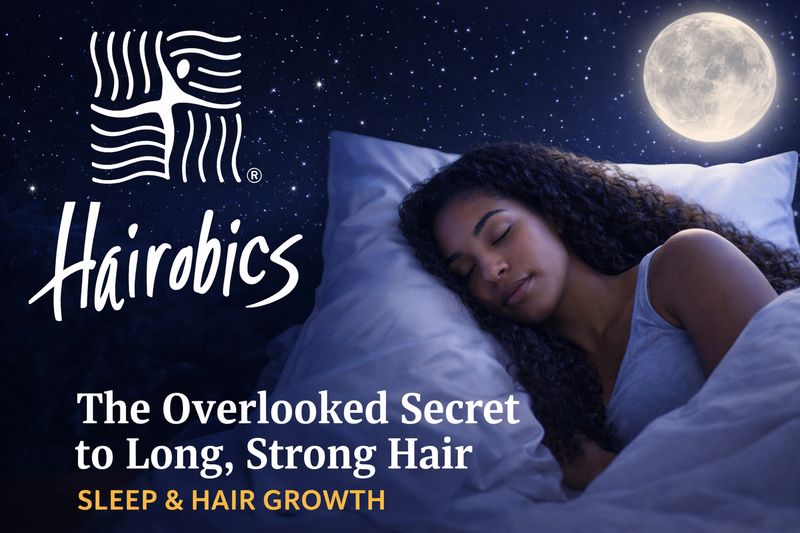
Healthy hair growth depends on more than oils, shampoos, and styling routines. One of the most overlooked factors influencing hair growth is sleep quality and sleep duration. While many people focus on topical treatments, the truth is that hair grows from within — and sleep plays a critical role in the biological processes that support hair growth.
If your hair feels stuck at the same length, breaks easily, or seems thinner than before, your sleep habits may be part of the problem.
This comprehensive guide explains how sleep affects hair growth, why poor sleep slows growth, and how to optimize your sleep routine for healthier hair.
How Hair Growth Actually Works
To understand how sleep affects hair growth, it's important to understand the hair growth cycle.
Hair grows in repeating phases:
1. Anagen Phase (Growth Phase)
This is the active growth stage where hair follicles produce new hair.
-
Lasts 2–7 years
-
Determines maximum hair length
-
About 85–90% of hair is in this phase
Longer anagen phases mean longer hair growth potential.
2. Catagen Phase (Transition Phase)
This is a short transitional stage.
-
Lasts 2–3 weeks
-
Hair follicle shrinks
-
Growth stops temporarily
3. Telogen Phase (Resting Phase)
This is the resting and shedding phase.
-
Lasts 3–4 months
-
Hair sheds naturally
-
New hair prepares to grow
Why Sleep Matters for Hair Cycles
Sleep influences:
-
Hormones
-
Blood circulation
-
Cellular repair
-
Stress levels
-
Nutrient delivery
All of these directly affect how long hair stays in the growth phase.
Poor sleep can push hairs into the shedding phase earlier, reducing growth.
The Connection Between Sleep and Hair Growth
Hair follicles are among the fastest-growing tissues in the body.
Fast-growing tissues require:
-
Constant nutrients
-
Oxygen
-
Hormonal balance
-
Cellular repair
These processes are strongest during sleep.
During Sleep Your Body:
-
Repairs damaged cells
-
Produces growth hormones
-
Balances cortisol
-
Improves circulation
-
Builds proteins
Hair follicles depend on all of these processes.
Without adequate sleep, hair growth slows.
Growth Hormone and Hair Growth
One of the biggest links between sleep and hair growth is growth hormone.
Growth hormone is released during deep sleep.
Growth hormone:
-
Repairs follicles
-
Strengthens hair strands
-
Supports keratin production
-
Extends growth phase
People who sleep poorly produce less growth hormone, which can slow hair growth.
Melatonin and Hair Growth
Melatonin is known as the sleep hormone, but it also influences hair growth.
Melatonin:
-
Protects follicles
-
Reduces oxidative stress
-
Supports growth cycles
-
Improves follicle activity
Low melatonin levels are associated with:
-
Thinning hair
-
Slower growth
-
Shedding
Sleeping in darkness improves melatonin production.
Cortisol: The Sleep Killer That Stops Hair Growth
Cortisol is the body's stress hormone.
Poor sleep increases cortisol levels.
High cortisol:
-
Shrinks hair follicles
-
Shortens growth phase
-
Increases shedding
-
Causes breakage
Chronic sleep deprivation keeps cortisol elevated.
This can push hair into the shedding phase prematurely.
How Poor Sleep Causes Hair Loss
Lack of sleep affects hair growth in several ways.
1. Reduced Follicle Repair
Hair follicles repair themselves during sleep.
Poor sleep means:
-
Slower follicle recovery
-
Weak hair strands
-
Increased breakage
2. Increased Shedding
Sleep deprivation can trigger stress-related shedding.
This is sometimes called telogen effluvium.
Hair enters the resting phase too early.
Shedding increases 2–3 months later.
3. Reduced Blood Circulation
Sleep improves circulation.
Good circulation delivers:
-
Oxygen
-
Vitamins
-
Minerals
-
Amino acids
Poor sleep reduces delivery of nutrients to follicles.
4. Scalp Inflammation
Sleep deprivation increases inflammation.
Inflammation can:
-
Irritate follicles
-
Slow growth
-
Cause thinning
-
Increase dryness
Healthy follicles require a calm scalp environment.
Signs Your Sleep Is Affecting Your Hair
Many people don't realize sleep is affecting their hair.
Common signs include:
-
Hair stuck at same length
-
Excess shedding
-
Thin edges
-
Slow regrowth
-
Weak strands
-
Dry scalp
-
Dull hair
-
Increased breakage
If your routine is good but growth is slow, sleep may be the missing factor.
How Much Sleep Is Needed for Hair Growth?
Most adults need:
7–9 hours per night
Less than 6 hours consistently can affect hair growth.
Optimal range:
-
7 hours minimum
-
8 hours ideal
-
9 hours for recovery
Hair follicles benefit from consistent sleep schedules.
Going to sleep at random times disrupts growth cycles.
Deep Sleep vs Light Sleep
Quality matters as much as quantity.
Deep sleep is when repair happens.
Deep sleep supports:
-
Growth hormone release
-
Tissue repair
-
Protein synthesis
-
Cell regeneration
Poor sleep quality means less deep sleep.
Even 8 hours of poor sleep may not support hair growth.
Nighttime Hair Protection
Sleep also affects hair physically.
Friction damages hair overnight.
Cotton pillowcases:
-
Absorb moisture
-
Create friction
-
Cause breakage
Better options:
Silk or Satin Pillowcases
Benefits:
-
Reduce breakage
-
Retain moisture
-
Protect edges
-
Reduce tangles
Satin Bonnets or Scarves
Help:
-
Protect curls
-
Prevent dryness
-
Reduce friction
-
Maintain styles
Protective sleep habits support length retention.
Best Night Routine for Hair Growth
A consistent night routine improves hair growth.
Step 1: Moisturize Hair
Light moisture before bed prevents dryness.
Focus on:
-
Ends
-
Edges
-
Dry areas
Step 2: Gentle Protective Style
Examples:
-
Loose braids
-
Twists
-
Pineapple style
Avoid tight styles.
Tight tension overnight damages follicles.
Step 3: Scalp Care
Healthy scalp improves growth.
Light scalp massage improves circulation.
Massage for:
-
3–5 minutes
This supports follicle activity.
Step 4: Consistent Sleep Time
Go to bed at the same time nightly.
Consistency improves hormone balance.
Foods That Improve Sleep and Hair Growth
Nutrition influences sleep quality.
Better sleep improves hair growth.
Magnesium-Rich Foods
Magnesium improves sleep.
Sources:
-
Almonds
-
Spinach
-
Pumpkin seeds
Protein
Hair is made of keratin protein.
Sources:
-
Eggs
-
Fish
-
Beans
-
Chicken
Healthy Fats
Support hormone production.
Sources:
-
Avocados
-
Olive oil
-
Nuts
Foods That Disrupt Sleep
Avoid before bed:
-
Caffeine
-
Alcohol
-
Sugar
-
Heavy meals
These reduce sleep quality.
Sleep Position and Hair Health
Sleep position affects hair.
Sleeping on Your Back
Best for hair.
Reduces friction.
Protects edges.
Side Sleeping
May cause:
-
Edge thinning
-
Breakage
-
Flattened hair
Rotate sides if needed.
Stomach Sleeping
Worst for hair.
Causes:
-
Friction
-
Breakage
-
Moisture loss
Can Naps Help Hair Growth?
Naps support recovery but do not replace nighttime sleep.
Short naps:
-
Improve energy
-
Reduce stress
But deep nighttime sleep is essential.
Best nap length:
-
20–30 minutes
Sleep Disorders and Hair Growth
Chronic sleep problems can impact hair.
Examples:
-
Insomnia
-
Sleep apnea
-
Irregular sleep cycles
These conditions disrupt hormone balance.
Hair growth slows over time.
How Long Before Sleep Improves Hair Growth?
Hair growth changes slowly.
Timeline:
2–4 Weeks
-
Reduced shedding
-
Improved scalp health
2–3 Months
-
Stronger strands
-
Better moisture retention
4–6 Months
-
Noticeable growth improvement
Consistency is key.
The Science Behind Sleep and Follicle Repair
Hair follicles divide rapidly.
Rapid cell division requires recovery time.
Sleep allows:
-
DNA repair
-
Protein production
-
Follicle regeneration
-
Tissue healing
Without recovery, follicles weaken.
Why Good Sleep Improves Length Retention
Growth and retention are different.
Sleep improves retention by:
-
Strengthening strands
-
Reducing breakage
-
Improving moisture balance
-
Supporting scalp health
Hair appears to grow faster when breakage decreases.
The Hidden Cause of Hair Growth Plateaus
Many people experience growth plateaus.
Common causes include:
-
Stress
-
Diet
-
Hormones
-
Sleep
Sleep is often overlooked.
Improving sleep can restart growth.
Best Sleep Habits for Hair Growth
1. Sleep 7–9 Hours
Consistency matters.
2. Sleep in Darkness
Supports melatonin production.
Avoid bright lights.
3. Keep Room Cool
Ideal temperature:
-
65–70°F
Cool rooms improve sleep quality.
4. Reduce Screen Time
Avoid screens 1 hour before bed.
Blue light disrupts melatonin.
5. Reduce Stress Before Bed
Try:
-
Reading
-
Stretching
-
Meditation
Stress disrupts sleep.
Natural Ways to Improve Sleep
Consistent Bedtime
Improves hormone balance.
Evening Relaxation
Helps transition into sleep.
Exercise
Improves sleep quality.
Avoid intense exercise late at night.
Sunlight Exposure
Morning sunlight regulates sleep cycles.
Final Thoughts: Sleep Is a Hair Growth Essential
Sleep is one of the most powerful and underestimated factors in hair growth.
Healthy hair requires:
-
Balanced hormones
-
Strong follicles
-
Proper circulation
-
Cellular repair
All of these happen during sleep.
If you want stronger, thicker, longer hair, improving sleep may be one of the most effective natural solutions.
Hair oils, conditioners, and treatments help — but sleep is the biological foundation of hair growth.
Better sleep leads to:
-
Less shedding
-
Stronger strands
-
Healthier scalp
-
Faster growth
-
Better length retention
When combined with a healthy hair routine, good sleep creates the ideal environment for long-term hair growth.