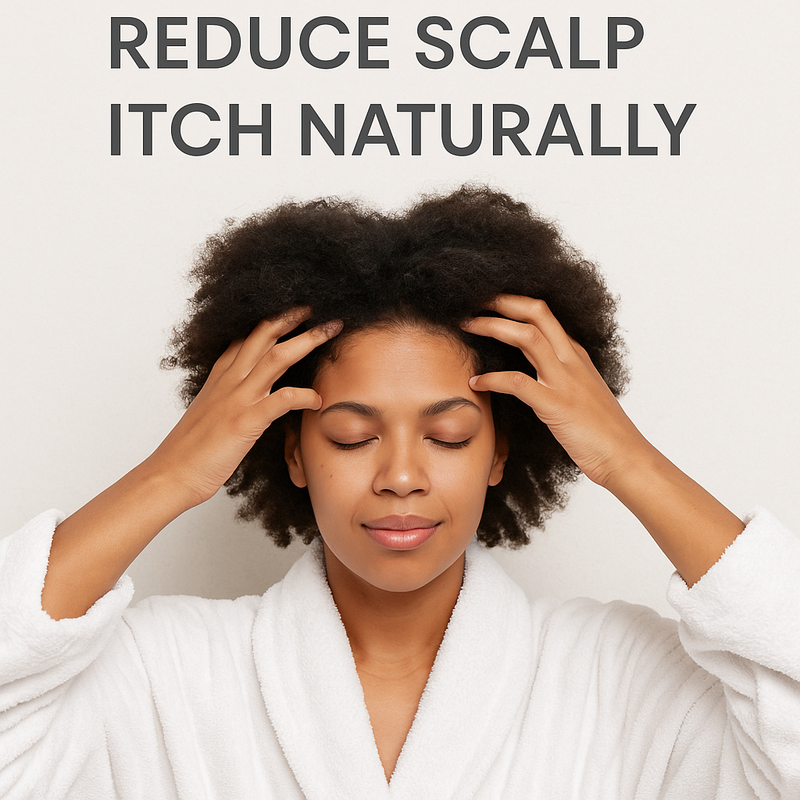
An itchy scalp can be frustrating, embarrassing, and uncomfortable — especially if you’re constantly scratching or dealing with flakes and dryness. Whether it’s caused by buildup, dryness, dandruff, or irritation from styling products, finding relief doesn’t have to mean using harsh chemicals. The good news is that you can reduce scalp itch naturally with the right habits, natural oils, and scalp-care techniques.
In this article, we’ll explore what causes scalp itch and the best natural ways to soothe and heal your scalp for long-term comfort and healthy hair growth.
Common Causes of Scalp Itch
Before treating the issue, it’s important to understand what might be causing your scalp irritation. Common culprits include:
-
Dry scalp – Lack of moisture causes flakiness and itching. This often happens in colder weather or from over-washing your hair.
-
Product buildup – Hair products, oils, and dirt can clog follicles and irritate the scalp.
-
Dandruff or Seborrheic Dermatitis – A yeast-like fungus called Malassezia can cause itchiness and flaking.
-
Allergic reactions – Some shampoos, gels, or sprays contain sulfates, parabens, or fragrances that irritate the scalp.
-
Tight hairstyles – Constant tension from braids, ponytails, or extensions can cause itching and tenderness.
-
Sweat and bacteria – Not cleansing the scalp after workouts can lead to odor, itch, and inflammation.
Understanding your specific trigger helps you choose the right natural treatment for long-lasting relief.
1. Cleanse Gently but Regularly
A clean scalp is a healthy scalp. Dirt and buildup block pores and prevent oxygen from reaching hair follicles, which can lead to itching and hair loss. However, over-washing can strip the scalp of its natural oils, making dryness worse.
The key is balance.
Use a gentle, sulfate-free shampoo that cleans without stripping. For example, Hairobics Strong Roots Jamaican Black Castor Oil Shampoo is formulated to remove buildup while moisturizing the scalp. It’s packed with natural ingredients that keep the scalp hydrated and soothed.
Tip:
-
Wash your hair 1–2 times per week (or as needed depending on your hair type).
-
Massage your scalp gently while washing to increase circulation and loosen debris.
2. Moisturize with Natural Oils
One of the best natural remedies for scalp itch is moisturizing oils. They nourish the scalp, strengthen follicles, and reduce dryness that leads to flaking.
Some of the most effective oils include:
-
Tea Tree Oil: Has antifungal and antibacterial properties that help treat dandruff and irritation.
-
Castor Oil: Rich in ricinoleic acid, it hydrates and improves circulation to the scalp.
-
Peppermint Oil: Provides a cooling sensation that relieves itch instantly.
-
Jojoba Oil: Mimics your scalp’s natural sebum, making it ideal for balancing oil production.
-
Coconut Oil: Penetrates deeply to moisturize dry scalps and reduce inflammation.
Hairobics Scalp Rejuvenator Oil combines several of these powerful ingredients to calm itchiness and nourish your roots naturally. Massage a few drops into your scalp 3–4 times a week to maintain moisture and promote healthy growth.
3. Exfoliate the Scalp Naturally
Just like your skin, your scalp benefits from exfoliation. A gentle scalp scrub removes dead skin cells, dirt, and product buildup that can cause itchiness.
You can create a DIY scalp scrub using simple natural ingredients:
-
2 tablespoons of brown sugar
-
1 tablespoon of coconut oil or olive oil
-
3 drops of tea tree or peppermint essential oil
Gently massage the mixture into your scalp for 5 minutes, then rinse with warm water and shampoo as usual. Do this once every 1–2 weeks for best results.
Exfoliation keeps your scalp fresh, balanced, and free from flakes.
4. Avoid Harsh Ingredients
Many store-bought shampoos and styling products contain harsh chemicals that dry out and irritate the scalp. Common ingredients to avoid include:
-
Sulfates (SLS, SLES) – Strip away natural oils
-
Parabens – Can cause allergic reactions and irritation
-
Alcohols – Dry out the scalp and hair
-
Synthetic fragrances – Often trigger itching and inflammation
Instead, choose natural or plant-based hair care products like those in the Hairobics All-Natural Collection, which use clean ingredients that nourish rather than irritate.
Switching to natural products allows your scalp to heal and rebalance itself over time.
5. Use Aloe Vera to Soothe Itch
Aloe vera is one of nature’s best remedies for scalp itch. Its cooling, anti-inflammatory properties calm irritation, hydrate dry skin, and help fight dandruff.
To use:
-
Apply pure aloe vera gel directly to your scalp.
-
Leave it on for 20–30 minutes.
-
Rinse thoroughly with lukewarm water and follow with a mild shampoo.
Repeat this treatment once or twice a week. You can also mix aloe vera with oils like jojoba or tea tree for added benefits.
6. Maintain a Healthy Scalp pH
The scalp’s natural pH is slightly acidic (around 4.5–5.5). When this balance is disrupted—often by harsh shampoos or buildup—it can lead to dryness and itchiness.
You can restore your scalp’s natural pH with a DIY apple cider vinegar rinse:
-
Mix 1 part apple cider vinegar with 2 parts water.
-
After shampooing, pour it over your scalp and let it sit for 5 minutes.
-
Rinse thoroughly and condition as usual.
This rinse helps remove buildup, balance pH, and add shine to your hair—all naturally.
7. Stay Hydrated and Eat for Scalp Health
A healthy scalp starts from within. Dehydration, vitamin deficiencies, and poor diet can all contribute to dryness and itching.
Make sure you:
-
Drink plenty of water daily.
-
Eat foods rich in omega-3 fatty acids (salmon, walnuts, flaxseed).
-
Add vitamin E and biotin to your diet for stronger hair and scalp health.
-
Avoid excessive sugar and processed foods, which can trigger inflammation.
Good nutrition ensures your scalp receives the nutrients it needs to stay balanced and itch-free.
8. Avoid Tight Hairstyles and Heavy Products
Constant pulling from tight braids, ponytails, or weaves can lead to scalp tension and irritation. Additionally, heavy products like thick gels or pomades can clog follicles and worsen itching.
Opt for looser, protective styles and lightweight natural oils instead. If you’re wearing braids or twists, apply Hairobics Hair & Scalp Booster between parts to keep your scalp moisturized and itch-free.
This helps you maintain your look while keeping your scalp healthy underneath.
9. Protect Your Scalp from the Elements
Just like your skin, your scalp can become irritated from too much sun exposure, cold weather, or pollution.
-
In the summer, wear a hat or use hair oils with UV protection to prevent dryness and sunburn.
-
In the winter, cover your hair with a satin-lined cap to retain moisture.
-
Use a humidifier indoors if you live in a dry climate.
Protecting your scalp year-round ensures lasting comfort and healthy hair growth.
10. Stay Consistent with Your Scalp Care Routine
The key to reducing scalp itch naturally is consistency. Natural remedies take time, but the results are healthier, stronger hair and a balanced scalp.
Try creating a simple routine:
-
Wash weekly with a sulfate-free shampoo.
-
Moisturize 3–4 times a week with natural oils.
-
Exfoliate bi-weekly.
-
Protect your scalp from harsh weather and buildup.
With a few weeks of regular care, you’ll notice less itching, better moisture balance, and faster hair growth.
Final Thoughts
If you’ve been struggling with an itchy scalp, remember—it’s your scalp’s way of asking for attention. By switching to natural remedies and nourishing ingredients, you can restore balance, soothe irritation, and enjoy a healthier scalp and hair.
From tea tree oil and aloe vera to Hairobics’ all-natural oils and shampoos, nature provides everything you need to keep your scalp calm and happy.
Start today with Hairobics Scalp Rejuvenator Oil or Hairobics Hair & Scalp Booster —your first step toward a clean, nourished, and itch-free scalp.