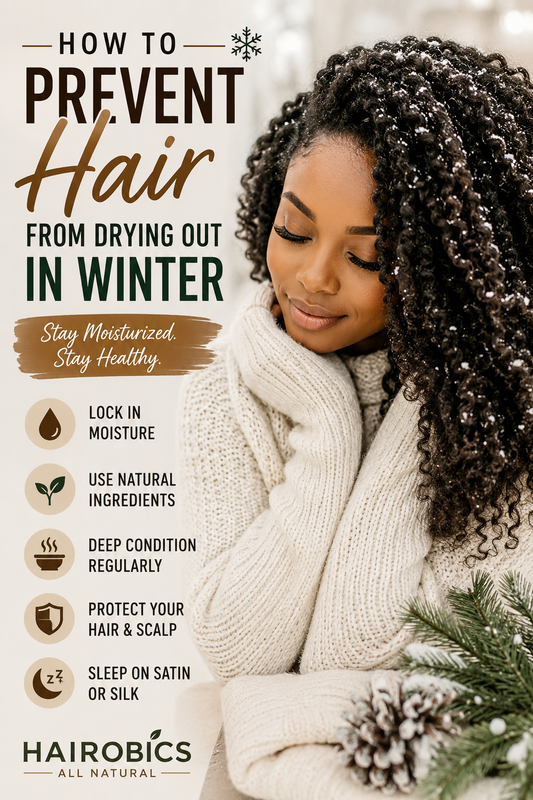
Winter can be one of the toughest seasons for healthy hair. Cold outdoor temperatures, dry indoor heating, harsh winds, and lower humidity all work together to strip moisture from your strands. The result is dry, brittle hair that tangles easily, breaks more often, and loses its shine.
Whether you wear your hair natural, relaxed, curly, braided, or in locs, winter requires a different approach to hair care than the warmer months. A routine that worked during summer may leave your hair dehydrated once temperatures begin to drop.
The good news is that winter dryness is preventable. With the right products, moisturizing techniques, and protective habits, you can maintain soft, healthy, hydrated hair all season long.
In this complete guide, you'll learn exactly why hair becomes dry in winter, how to prevent moisture loss, and the best winter hair care routine for every hair type.
Why Hair Gets Dry During Winter
Understanding why winter affects your hair makes it easier to protect it.
Several factors contribute to seasonal dryness:
- Cold outdoor air contains less moisture.
- Indoor heating removes humidity from the air.
- Wind roughens the hair cuticle.
- Hot showers strip away natural oils.
- Wearing hats creates friction.
- Washing too frequently removes protective oils.
- Reduced water intake can contribute to overall dryness.
Combined, these conditions make hair lose moisture faster than it can replace it.
Signs Your Hair Is Too Dry
Watch for these common warning signs:
- Dull appearance
- Rough texture
- Split ends
- Increased shedding from breakage
- Excessive tangles
- Static electricity
- Frizz
- Difficulty styling
- Itchy scalp
- Brittle ends
The earlier you address dryness, the easier it is to restore healthy moisture.
Start with a Moisturizing Shampoo
Many shampoos contain harsh detergents that remove dirt—but also strip away natural oils.
During winter, switch to a gentle sulfate-free cleanser that removes buildup without leaving hair squeaky clean.
A moisturizing shampoo helps preserve the scalp's natural protective barrier while preparing hair to absorb conditioners and leave-in products.
Avoid washing your hair daily unless necessary.
Never Skip Conditioner
Conditioner replaces moisture lost during washing.
Choose one that contains ingredients like:
- Aloe vera
- Shea butter
- Coconut oil
- Avocado oil
- Argan oil
- Jojoba oil
- Glycerin
- Panthenol
Leave the conditioner on for several minutes to allow maximum hydration.
Deep Condition Weekly
One of the most effective winter habits is weekly deep conditioning.
Deep conditioners penetrate the hair shaft better than regular conditioners and restore softness.
Benefits include:
- Better elasticity
- Less breakage
- Improved curl definition
- Softer texture
- Easier detangling
- Increased shine
People with very dry or damaged hair may benefit from deep conditioning twice each week.
Seal Moisture Correctly
Adding moisture isn't enough—you must seal it in.
After applying water or a leave-in conditioner, use a lightweight oil or butter to reduce moisture loss.
Popular sealing oils include:
- Jojoba oil
- Sweet almond oil
- Grapeseed oil
- Jamaican black castor oil
- Avocado oil
The goal is to lock hydration inside the hair instead of allowing it to evaporate.
Moisturize Between Wash Days
Hair doesn't only need moisture on wash day.
Refresh your hair several times each week using:
- Water-based moisturizing sprays
- Leave-in conditioners
- Hydrating mists
- Lightweight oils to seal afterward
This simple habit keeps strands flexible and prevents brittleness.
Drink Plenty of Water
Hydration starts from within.
While drinking water alone won't completely moisturize your hair, dehydration can affect the scalp and overall hair health.
Aim for consistent water intake throughout winter.
Reduce Heat Styling
Hair dryers, curling irons, and flat irons remove moisture rapidly.
Instead:
- Air dry when possible
- Use low heat
- Always apply heat protectant
- Limit heat styling frequency
Less heat means better moisture retention.
Avoid Extremely Hot Water
Hot showers feel great during winter but are terrible for hair.
Very hot water lifts the cuticle and washes away natural oils.
Instead:
- Wash with lukewarm water.
- Finish with cool water to help smooth the cuticle.
Protect Hair Outdoors
Cold wind can dry hair surprisingly fast.
Protect hair by wearing:
- Satin-lined hats
- Silk scarves
- Hooded jackets
- Protective wraps
Avoid rough wool directly against your hair whenever possible.
Sleep on Satin
Cotton pillowcases absorb moisture.
Switch to:
- Satin pillowcases
- Silk pillowcases
- Satin bonnets
- Satin scarves
This reduces friction while helping hair retain moisture overnight.
Trim Dry Ends
Split ends continue splitting upward if ignored.
Regular trims help prevent:
- Excessive tangles
- Knotting
- Breakage
- Rough ends
Healthy ends retain moisture better.
Eat Moisture-Friendly Foods
Nutrition supports healthy hair.
Focus on:
- Salmon
- Walnuts
- Eggs
- Spinach
- Sweet potatoes
- Blueberries
- Avocados
- Pumpkin seeds
Healthy fats help support scalp health throughout winter.
Best Winter Routine for Natural Hair
Natural hair often needs extra moisture because its curls make it harder for natural oils to travel down the hair shaft.
Winter routine:
- Wash every 7–10 days
- Deep condition weekly
- Moisturize every 2–3 days
- Seal moisture
- Sleep on satin
- Limit heat
Winter Care for Curly Hair
Curly hair thrives with hydration.
Use:
- Curl creams
- Leave-ins
- Moisture sprays
- Deep conditioners
Avoid brushing curls while dry.
Winter Care for Locs
Locs require moisture without causing buildup.
Focus on:
- Hydrating sprays
- Clean scalp
- Lightweight oils
- Gentle washing
- Proper drying
Avoid heavy waxes that attract lint.
Winter Care for Braids
Braids protect hair but still require moisture.
Don't neglect your scalp.
Use lightweight moisturizing sprays several times weekly and massage the scalp gently.
Winter Care for Relaxed Hair
Relaxed hair can become fragile in winter.
Reduce chemical stress by:
- Moisturizing often
- Protein treatments when needed
- Gentle detangling
- Limiting heat
Common Winter Hair Mistakes
Avoid these habits:
- Washing too often
- Using harsh shampoos
- Skipping conditioner
- Overusing heat tools
- Ignoring your scalp
- Sleeping on cotton
- Wearing rough hats
- Waiting until hair feels brittle
Consistency prevents most winter damage.
Build a Simple Winter Hair Routine
A weekly routine might look like this:
Wash Day
- Moisturizing shampoo
- Deep conditioner
- Leave-in conditioner
- Moisturizing cream
- Seal with lightweight oil
Midweek
- Refresh with a water-based moisturizer
- Seal lightly if needed
Daily
- Protect hair outdoors
- Sleep on satin
- Avoid unnecessary manipulation
Ingredients That Help Fight Winter Dryness
Look for products containing:
- Aloe vera
- Shea butter
- Coconut oil
- Olive oil
- Avocado oil
- Argan oil
- Honey
- Glycerin
- Panthenol
- Vitamin E
These ingredients help replenish and retain moisture while improving softness and shine.
Can Winter Cause Hair Loss?
Winter itself doesn't directly cause permanent hair loss, but dry, brittle hair is more prone to breakage, which can make hair appear thinner. A dry, irritated scalp may also contribute to increased shedding if not properly cared for.
Maintaining a healthy scalp, moisturizing regularly, and minimizing breakage can help preserve the appearance of fuller, healthier hair throughout the colder months.
Frequently Asked Questions
How often should I moisturize my hair during winter?
Most people benefit from moisturizing every 2–3 days, though very curly, coily, or highly porous hair may need moisture more frequently.
Should I wash my hair less often in winter?
Yes. Washing less frequently can help preserve your hair's natural oils, especially if your scalp is not excessively oily. Focus on cleansing when needed rather than sticking to a rigid schedule.
Are protective styles good for winter?
Yes. Braids, twists, and properly maintained locs can reduce daily manipulation and help retain moisture, provided the hair and scalp are moisturized regularly.
Is it okay to wear hats in winter?
Absolutely. Choose satin-lined hats or wear a silk or satin scarf underneath to reduce friction and prevent moisture loss.
Can indoor heating damage my hair?
Indoor heating lowers humidity, which can dry out both your hair and scalp. Using a humidifier at home and moisturizing consistently can help counteract these effects.
Final Thoughts
Winter doesn't have to mean dry, brittle, or lifeless hair. By making a few seasonal adjustments—using moisturizing products, deep conditioning regularly, sealing in hydration, limiting heat styling, and protecting your hair from cold air—you can keep your strands soft, strong, and healthy all season long.
No matter your hair type, consistency is the key to preventing winter dryness. A simple routine focused on hydration and protection will help reduce breakage, improve shine, and keep your hair looking its best until warmer weather returns.
For even better results, pair your winter routine with nourishing, plant-based hair care products designed to support moisture retention and overall scalp health. With the right care, your hair can stay hydrated, resilient, and beautiful throughout the entire winter season.