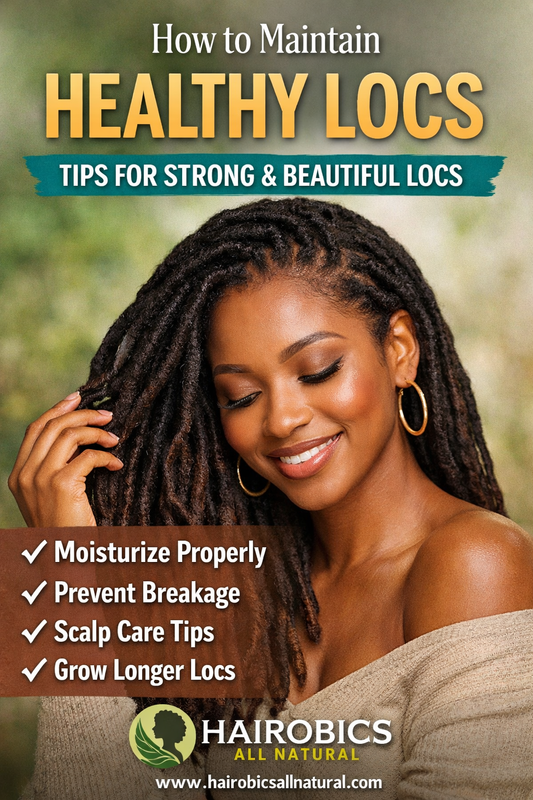
Locs are one of the most beautiful, powerful, and versatile hairstyles in the world. For centuries, they have represented culture, identity, spirituality, and natural beauty. But despite what many people think, locs do not maintain themselves. Healthy locs require intentional care, moisture balance, scalp health, and consistent maintenance.
Many people begin their loc journey believing locs are “low maintenance.” In reality, locs are low manipulation but high care. Without proper routines, locs can become dry, brittle, thin, or even break off.
The good news is that when you care for them properly, locs can grow long, thick, and incredibly strong.
In this complete guide, you'll learn:
-
The fundamentals of healthy loc maintenance
-
The biggest mistakes that damage locs
-
A weekly loc care routine
-
How to keep locs moisturized
-
How to prevent thinning and breakage
-
How to grow longer, thicker locs
If you're starting your loc journey or already have mature locs, this guide will help you maintain healthy, thriving locs for years to come.
Learn more at
www.hairobicsallnatural.com
Understanding How Locs Work
Before learning how to maintain locs, it’s important to understand how locs actually form.
Locs are created when strands of hair mat together and intertwine, forming rope-like structures. Over time, the hair compresses and tightens into mature locs.
There are three main phases of loc development:
Starter Phase (0–6 months)
Hair begins forming coils, twists, or small sections that will eventually loc.
Budding Phase (6–12 months)
The hair begins matting internally and forming the core structure of the loc.
Mature Phase (12–24 months)
Locs become firm, stable, and fully formed.
Once locs mature, they require consistent care to stay healthy.
Without maintenance, locs can experience:
-
Dryness
-
Breakage
-
Lint buildup
-
Thinning roots
-
Scalp problems
Healthy loc maintenance focuses on scalp health, moisture, and gentle care.
The Foundations of Healthy Locs
Healthy locs depend on five core pillars.
1. A Healthy Scalp
Healthy locs begin with a healthy scalp.
The scalp is where hair grows. If the scalp is clogged, inflamed, or unhealthy, loc growth slows down.
Common scalp issues that affect loc health include:
-
Product buildup
-
Dry scalp
-
Fungal issues
-
Dandruff
-
Inflammation
Maintaining a clean scalp ensures that follicles remain open and hair continues growing.
2. Proper Moisture Balance
One of the biggest myths about locs is that they do not need moisture.
In reality, locs need moisture even more than loose hair.
Because locs are tightly compacted, natural oils have difficulty traveling down the hair shaft. This often leads to dryness.
Without moisture, locs can become:
-
Brittle
-
Weak
-
Prone to breakage
Hydration is essential for keeping locs soft and flexible.
3. Gentle Handling
Locs are strong, but constant tension can weaken them.
Avoid:
-
Tight hairstyles
-
Constant twisting
-
Excessive retwisting
-
Pulling on roots
Gentle handling protects both the scalp and the loc structure.
4. Clean Hair
Dirty locs cannot thrive.
A common misconception is that locs should not be washed often. In reality, clean locs grow better.
Washing removes:
-
Sweat
-
Dirt
-
Product buildup
-
Environmental toxins
Clean hair promotes healthy growth.
5. Consistent Maintenance
Healthy locs require consistent routines.
This includes:
-
Washing
-
Moisturizing
-
Scalp care
-
Retwisting
Consistency keeps locs looking neat and growing properly.
The Ideal Weekly Loc Care Routine
A healthy loc routine does not need to be complicated.
Here is a simple weekly routine.
Step 1: Wash Your Locs Properly
Washing locs is essential for scalp health.
Most people with locs should wash their hair every 1–2 weeks.
If you work out frequently or sweat often, washing weekly is ideal.
How to Wash Locs Correctly
-
Fully saturate hair with warm water
-
Apply shampoo to the scalp
-
Massage gently with fingertips
-
Allow shampoo to run through locs
-
Rinse thoroughly
Avoid aggressively rubbing locs together.
This can cause frizz.
Step 2: Deep Clean the Scalp
Your scalp needs attention during washes.
Focus on removing buildup from the scalp.
Signs you need better scalp cleansing include:
-
Itching
-
Flakes
-
Odor
-
Heavy buildup
Healthy scalp equals healthy loc growth.
Step 3: Moisturize Your Locs
Moisturizing is critical.
The best way to hydrate locs is using water-based sprays.
Water is the most powerful moisturizer.
After water, apply a light oil to seal the moisture.
This helps prevent dryness.
Step 4: Oil Your Scalp
Scalp oiling nourishes follicles and keeps the scalp balanced.
Focus oil application directly on the scalp, not heavily on the locs.
Massaging oil into the scalp helps:
-
Improve blood circulation
-
Deliver nutrients to follicles
-
Support hair growth
Natural oils work best for loc maintenance.
Step 5: Retwist When Necessary
Retwisting keeps locs neat and structured.
However, over-retwisting can cause thinning.
Most people should retwist every 4–6 weeks.
If you retwist too often, the roots weaken.
Healthy loc maintenance prioritizes scalp health over perfect neatness.
How to Keep Locs Moisturized
Dry locs are one of the biggest problems people face.
Locs lose moisture faster than loose hair because natural oils struggle to travel down the strands.
Here are effective moisture strategies.
Use Water-Based Moisturizers
The best loc moisturizers contain water as the first ingredient.
Water penetrates the hair shaft and hydrates the locs from within.
Avoid heavy creams that sit on top of the locs.
Seal Moisture With Oils
After applying moisture, seal it with oils.
This prevents water from evaporating.
Natural oils that support loc health include:
-
Castor oil
-
Coconut oil
-
Grapeseed oil
-
Jojoba oil
These oils help maintain hydration.
Cover Hair at Night
Nighttime protection is critical.
Cotton pillowcases absorb moisture from hair.
Use:
-
Satin bonnet
-
Silk scarf
-
Satin pillowcase
This prevents dryness and breakage.
The Biggest Mistakes That Damage Locs
Many people unknowingly damage their locs through daily habits.
Avoid these common mistakes.
Over-Retwisting
Constant retwisting puts stress on the roots.
This can cause:
-
Thinning locs
-
Traction alopecia
-
Weak roots
Retwisting too often is one of the fastest ways to damage locs.
Product Buildup
Heavy products can get trapped inside locs.
Over time, buildup becomes difficult to remove.
This leads to:
-
Odor
-
Dull locs
-
Scalp problems
Use lightweight products designed for locs.
Tight Hairstyles
Styles that pull on the roots create tension.
This tension weakens the follicles.
Examples include:
-
Tight ponytails
-
Tight loc buns
-
Tight loc braids
Healthy locs require minimal tension.
Sleeping Without Protection
Friction damages locs.
Without protection, hair rubs against pillows causing:
-
Frizz
-
Breakage
-
Dryness
Always protect locs at night.
How to Prevent Thinning Locs
Thinning locs are a common issue.
It often begins at the root.
Here are ways to prevent thinning.
Avoid Excessive Manipulation
Constant styling weakens loc roots.
Allow your locs time to rest.
Strengthen the Roots
Healthy roots support strong locs.
Scalp massage helps stimulate follicles and strengthen roots.
Maintain Scalp Health
Inflamed or clogged follicles lead to thinning hair.
Keeping the scalp clean and nourished protects loc strength.
How to Grow Longer Locs
Locs can grow extremely long when cared for properly.
Growth depends on:
-
Genetics
-
Scalp health
-
Hair care routine
The average hair growth rate is ½ inch per month.
That equals about 6 inches per year.
Protecting your hair length is just as important as growth.
Protective Styling for Locs
Protective styling helps preserve length.
Examples include:
-
Loose buns
-
Loc braids
-
Low ponytails
-
Half-up styles
Avoid styles that pull tightly on the roots.
How Diet Affects Loc Health
Hair health begins inside the body.
Nutrients that support strong hair include:
Protein
Hair is made from keratin, a protein.
Iron
Iron helps deliver oxygen to hair follicles.
Biotin
Biotin supports keratin production.
Omega-3 Fatty Acids
These help keep hair hydrated and strong.
Eating a balanced diet improves loc growth.
How Stress Affects Locs
Chronic stress can disrupt hair growth.
Stress increases a hormone called cortisol, which can push hair follicles into a resting phase.
This can lead to:
-
Hair shedding
-
Slower growth
-
Thinning locs
Reducing stress improves hair health.
Seasonal Loc Care Tips
Your loc routine may change with the seasons.
Winter Loc Care
Cold weather dries hair.
Focus on:
-
Extra moisturizing
-
Wearing hats lined with satin
-
Scalp oil treatments
Summer Loc Care
Sweat and sun affect locs.
Focus on:
-
Frequent washing
-
Hydration
-
UV protection
Signs Your Locs Are Healthy
Healthy locs have certain characteristics.
These include:
-
Strong roots
-
Clean scalp
-
Soft flexibility
-
Even thickness
-
Minimal breakage
Healthy locs should feel strong but not brittle.
Signs Your Locs Need Attention
Watch for warning signs.
These include:
-
Excessive dryness
-
Itchy scalp
-
Thinning roots
-
Breakage
-
Heavy buildup
Addressing problems early prevents long-term damage.
The Best Natural Ingredients for Loc Health
Natural ingredients support loc growth and strength.
Beneficial ingredients include:
-
Castor oil
-
Aloe vera
-
Tea tree oil
-
Peppermint oil
-
Rosemary oil
These ingredients nourish the scalp and support strong hair.
Creating the Perfect Loc Care Routine
A simple routine works best.
Weekly
Wash and moisturize.
Monthly
Retwist if needed.
Daily
Protect hair and maintain moisture.
Consistency is key to healthy locs.
Final Thoughts: Healthy Locs Require Consistency
Maintaining healthy locs is not about using dozens of products or complicated routines.
The secret to strong, beautiful locs is consistency.
Focus on the fundamentals:
-
Clean scalp
-
Proper moisture
-
Gentle handling
-
Balanced nutrition
-
Protective styling
When you prioritize these habits, your locs can grow long, thick, and incredibly healthy.
Whether you are just beginning your loc journey or have had locs for years, proper care will ensure your hair thrives.
To learn more about natural hair care and hair growth, visit:
www.hairobicsallnatural.com