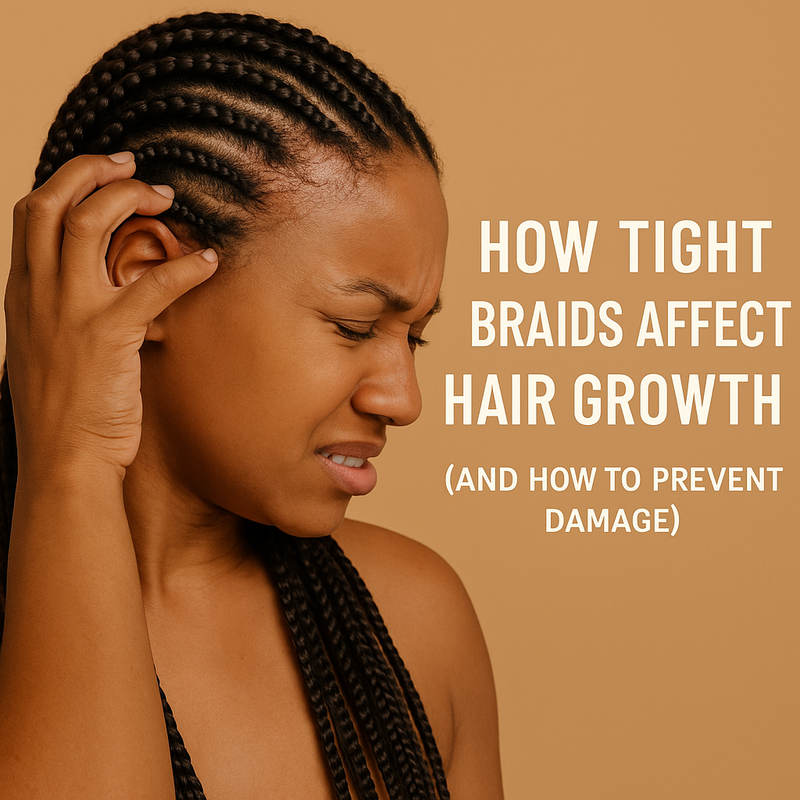
Braids are one of the most popular protective styles for natural hair. When done correctly, they can help reduce daily manipulation, retain moisture, and support length retention. But when braids are installed too tightly, they can do the exact opposite — causing breakage, thinning edges, scalp damage, and even permanent hair loss.
The truth many people don’t talk about is this:
Tight braids don’t help hair grow — they actively interfere with healthy hair growth.
In this in-depth guide, we’ll break down exactly how tight braids affect hair growth, what damage they can cause, how to recognize the warning signs early, and most importantly, how to prevent long-term damage while still enjoying protective styles.
Why Braids Are Called “Protective Styles”
Braids are meant to protect your hair by:
-
Reducing daily manipulation
-
Keeping ends tucked away
-
Helping retain moisture
-
Minimizing breakage
-
Supporting length retention
However, a style is only protective if it is installed and maintained correctly. When braids are too tight, the stress placed on your scalp and hair follicles outweighs the benefits.
What Happens When Braids Are Too Tight?
Tight braids create constant tension on your scalp and hair follicles. Hair grows from follicles beneath the scalp, and when those follicles are repeatedly stressed, inflamed, or damaged, healthy growth becomes difficult — or impossible.
Over time, tight braids can lead to both short-term damage and long-term hair loss.
How Tight Braids Affect Hair Growth
Let’s look at the science behind what tight braids actually do to your hair and scalp.
1. Tight Braids Restrict Blood Flow to Hair Follicles
Healthy hair growth depends on proper blood circulation. Blood delivers oxygen and nutrients to the hair follicles so they can produce strong strands.
When braids are too tight:
-
Blood flow to the scalp is restricted
-
Hair follicles become stressed
-
Growth slows down
-
New hair may grow thinner or weaker
This is one of the main reasons tight styles interfere with growth over time.
2. Constant Tension Leads to Traction Alopecia
One of the most serious risks of tight braids is traction alopecia — a form of hair loss caused by prolonged pulling on the hair.
Traction alopecia commonly affects:
-
Edges (hairline)
-
Temples
-
Nape of the neck
-
Part lines
Early signs include:
-
Soreness or tenderness
-
Small bumps along the hairline
-
Thinning edges
-
Receding temples
If caught early, traction alopecia is reversible. If ignored, it can become permanent.
3. Tight Braids Cause Inflammation of the Scalp
Inflammation is the body’s response to stress or injury. Tight braids create micro-injuries in the scalp that lead to:
-
Swelling
-
Redness
-
Burning or itching
-
Pain
Chronic scalp inflammation damages follicles and weakens the hair growth cycle.
4. Tight Braids Increase Breakage at the Root
When hair is pulled tightly at the root:
-
Strands snap close to the scalp
-
New growth breaks before it can lengthen
-
Hair appears thinner over time
This breakage is often mistaken for “slow growth,” when it’s actually growth being broken off as quickly as it appears.
5. Tight Braids Damage the Hairline First
Your edges are the most delicate hairs on your head. Tight braids concentrate tension at the hairline, causing:
-
Edge thinning
-
Bald spots
-
Uneven hairline
-
Permanent follicle damage if repeated
This is why many people notice damage around their edges before anywhere else.
6. Tight Braids Can Cause Scalp Infections
Extreme tension can lead to:
-
Folliculitis (inflamed hair follicles)
-
Small pus-filled bumps
-
Scabbing or sores
Scratching or ignoring these symptoms increases the risk of infection, which further interferes with healthy growth.
Signs Your Braids Are Too Tight
It’s important to recognize the warning signs early so damage doesn’t progress.
Your braids are too tight if you experience:
-
Pain that lasts longer than 48 hours
-
Headaches or pressure
-
Redness or swelling
-
Small bumps at the roots
-
Burning or itching
-
Difficulty sleeping
-
Hairline soreness
Braids should never hurt. Discomfort is a red flag, not something to “push through.”
Do Tight Braids Ever Help Hair Grow? (Short Answer: No)
Some people believe tight braids make hair last longer or look neater. While they may look sleek at first, tight braids:
-
Do not stimulate growth
-
Do not make hair stronger
-
Do not improve longevity in a healthy way
In reality, they often shorten how long you can safely wear the style because damage begins immediately.
How to Prevent Damage From Braids (Without Giving Them Up)
You don’t have to stop wearing braids to protect your hair. You just need to approach them the right way.
1. Start With Healthy, Well-Prepared Hair
Before braiding:
-
Cleanse your scalp thoroughly
-
Deep condition to improve elasticity
-
Detangle completely
-
Moisturize and seal
Strong, hydrated hair tolerates styling better than dry, brittle hair.
Using lightweight hydration like Hairobics Raaw Roots Moisturizing Spray before installation helps soften hair and reduce tension at the roots.
2. Choose Tension-Free Braiding Techniques
Ask your stylist for:
-
Knotless braids
-
Feed-in braids
-
Medium or large sections
-
Gentle gripping at the root
Avoid styles that require extreme tightness to look neat.
3. Protect Your Edges at All Costs
Your edges should never be pulled tightly.
To protect them:
-
Ask for looser braids around the hairline
-
Leave baby hairs out if needed
-
Avoid excessive edge control
-
Moisturize edges regularly
A lightweight oil like Hairobics Scalp Rejuvenator Oil can help keep edges nourished and reduce inflammation.
4. Speak Up During Installation
If it hurts during the appointment, say something immediately.
Pain during installation = damage in progress.
A good stylist will adjust tension. If they refuse, it’s okay to walk away — your hair health comes first.
5. Soothe the Scalp Immediately After Braiding
Within the first 24 hours:
-
Apply a cooling scalp treatment
-
Massage gently around (not on) braid bases
-
Avoid heavy oils or gels
This helps calm inflammation and reduce irritation early.
6. Never Keep Painful Braids “Just Because You Paid”
If your braids are painful days later:
-
Apply a warm compress
-
Massage gently
-
Ask the stylist to loosen them
-
Remove the braids if necessary
Money can be replaced. Hair follicles cannot.
7. Avoid Overstyling Braids
Pulling braids into:
-
Tight ponytails
-
High buns
-
Sleek updos
…adds extra tension on top of the original stress. Switch styles often and keep them loose.
8. Limit How Long You Keep Braids In
Even well-installed braids shouldn’t stay in too long.
Recommended wear time:
-
4–6 weeks for tight styles
-
6–8 weeks maximum for gentle installs
Leaving braids in too long increases buildup, matting, and stress at the roots.
How to Repair Damage From Tight Braids
If you’ve already experienced damage, don’t panic — early intervention helps.
1. Take a Break From Tension
Give your hair at least 4–6 weeks without braids or tight styles. Focus on gentle, low-manipulation looks.
2. Focus on Scalp Health
Healthy regrowth starts at the scalp.
-
Cleanse regularly
-
Massage gently
-
Keep scalp moisturized
-
Avoid heavy buildup
Consistent scalp care improves circulation and supports follicle recovery.
3. Strengthen and Moisturize Hair
Use:
-
Deep conditioners
-
Leave-ins
-
Lightweight moisturizing sprays
-
Gentle oils
Moisture improves elasticity and reduces future breakage.
4. Be Patient With Regrowth
Traction-related thinning can take:
-
3–6 months for visible regrowth
-
Up to 12 months for fuller recovery
Consistency matters more than speed.
Common Myths About Tight Braids and Hair Growth
❌ “Tight braids help hair grow faster”
False. Growth happens at the follicle, not from tension.
❌ “Pain means it’s working”
Pain means damage.
❌ “Edges don’t grow anyway”
Edges grow — they’re just more fragile.
❌ “Protective styles can’t cause hair loss”
Any style can cause damage if done incorrectly.
The Truth About Protective Styling and Growth
Protective styles support hair growth only when they reduce stress — not when they add it.
Healthy hair growth requires:
-
Good blood circulation
-
Calm scalp environment
-
Minimal tension
-
Moisture and strength
When braids meet those conditions, they can be an excellent tool for length retention.
Final Thoughts: Tight Braids Are Not Worth the Damage
Braids should never cost you your edges, your scalp health, or your hairline.
While braids can be beautiful and convenient, tight braids sabotage hair growth by restricting blood flow, inflaming the scalp, and damaging follicles over time.
The good news? Damage is preventable.
By choosing:
-
Gentle installation
-
Proper hair prep
-
Scalp-focused care
-
Realistic wear times
-
Tension-free styling
…you can enjoy braids without sacrificing healthy hair growth.
Your hair should feel protected — not punished.