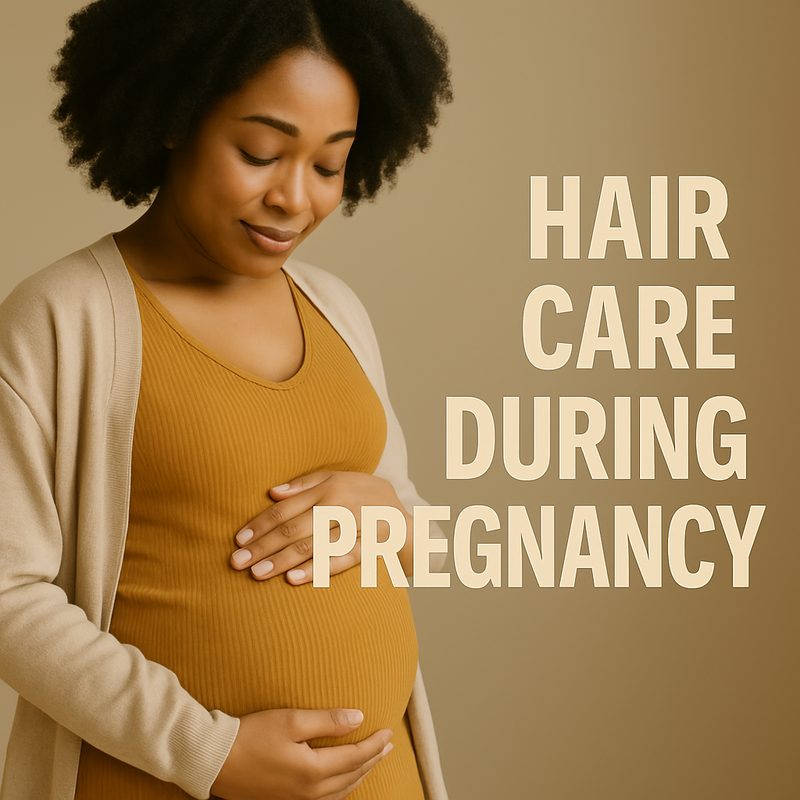
Pregnancy is one of the most transformative periods in a woman’s life. Your hormones shift, your body changes daily, and your hair often changes right along with it. Some women experience thicker, fuller strands and rapid growth, while others notice dryness, shedding, or even thinning edges. These changes are completely normal — but they can also be confusing if you’re not sure how to take care of your hair during this time.
In this complete guide, we break down everything you need to know about hair care during pregnancy — including safe products to use, what to avoid, how to maintain moisture, how to reduce shedding, and how to protect your scalp. Whether you wear your hair natural, relaxed, in braids, locs, or protective styles, this guide will show you how to keep your hair strong and healthy throughout your pregnancy.
How Pregnancy Affects Your Hair
Before we get into tips, it’s important to understand why your hair behaves differently when you’re expecting.
Pregnancy triggers a surge of hormones such as estrogen and progesterone. These hormones can:
✔ Increase the length of your hair’s growth phase
This means less shedding and thicker-looking hair.
✔ Slow down your natural shedding cycle
Hair stays on your head longer.
✔ Change your hair’s texture or moisture level
Some women experience drier hair, while others experience softer curls.
✔ Affect scalp sensitivity
You may become sensitive to products you once tolerated easily.
✔ Increase nutrient needs
Your body uses more vitamins, minerals, and hydration to support baby growth — which can take nutrients away from your hair.
Every woman reacts differently, so while one person’s hair flourishes, another may notice breakage or dryness. Both are normal.
Is It Safe to Use Hair Products During Pregnancy?
Most hair products are safe, but some ingredients should be avoided or minimized.
Avoid or limit:
-
Products with harsh chemicals
-
Hair dyes containing ammonia
-
Relaxers or texturizers with strong chemicals
-
Products heavily fragranced with synthetic scents
-
Harsh preservatives like parabens or formaldehyde
-
Keratin treatments (many contain formaldehyde)
Safe options include:
-
Natural oils
-
Water-based moisturizers
-
Aloe vera–based sprays
-
Gentle leave-in conditioners
-
Sulfate-free shampoos
-
Herbal scalp treatments (if ingredients are pregnancy-safe)
Hairobics products are especially helpful during pregnancy because they’re lightweight, natural, and free of harsh chemicals.
Common Hair Problems During Pregnancy and How to Fix Them
Pregnant women often experience at least one of the following:
1. Dryness and Brittle Hair
Because your body prioritizes nutrients for your baby, your hair may receive less moisture and fewer vitamins.
How to fix it:
-
Use a moisturizing shampoo and conditioner weekly
-
Deep condition every wash
-
Use aloe or water-based sprays daily
-
Seal ends with a lightweight oil
-
Avoid heavy gels and hard-hold products
Hairobics Raaw Roots Moisturizing Spray is perfect for daily hydration during pregnancy because it’s gentle and buildup-free.
2. Excessive Shedding
While many women shed less during pregnancy, some shed more due to:
-
hormonal fluctuations
-
stress
-
nutrient deficiency
-
medical conditions
-
thyroid changes
How to reduce shedding:
-
Ensure you’re eating nutrient-dense foods
-
Massage your scalp 5 minutes daily
-
Avoid tight hairstyles
-
Use lightweight scalp oils
-
Stay hydrated
A gentle scalp booster like Hairobics Hair & Scalp Booster supports healthy circulation without harsh chemicals.
3. Thinning Edges
Edges are very sensitive during pregnancy due to hormonal shifts and increased stress.
How to protect your edges:
-
Avoid tight braids or ponytails
-
Use satin scarves
-
Moisturize daily
-
Massage edges gently
-
Reduce tension during protective styling
Avoid heavy edge controls — they can weaken hair further.
4. Itchy or Sensitive Scalp
Pregnancy can make your scalp more reactive.
Try this routine:
-
Switch to a mild, sulfate-free shampoo
-
Use aloe-based products
-
Avoid fragrances
-
Massage with a calming oil such as jojoba or aloe scalp mist
Do NOT scratch with fingernails — it causes inflammation.
5. Slower Growth
Some women find their hair grows slower because nutrients shift to supporting the baby.
To encourage growth:
-
Drink more water
-
Increase iron- and protein-rich foods
-
Keep scalp clean and circulated
-
Moisturize daily
-
Reduce heat usage
How to Build a Pregnancy-Safe Hair Care Routine
Here’s a simple, safe routine to keep your hair healthy throughout pregnancy.
Daily Routine
✔ Moisturize
Use a water-based spray or leave-in conditioner to keep hair hydrated.
✔ Seal
Apply lightweight oil to ends to lock in moisture.
✔ Protect
Wear satin at night to reduce friction and breakage.
✔ Massage
Spend 3–5 minutes massaging your scalp to encourage blood flow.
✔ Drink Water
Hydration begins internally!
Weekly Routine
1. Cleanse
Use a sulfate-free shampoo to remove buildup.
2. Deep Condition
This step is crucial. Deep condition 20–30 minutes each week.
3. Moisturize & Seal
Use LOC or LCO method depending on your porosity.
4. Style Gently
Choose low-tension styles.
Monthly Routine
Clarify
Use a gentle clarifying shampoo once a month to refresh your scalp.
Trim Ends
Every 8–12 weeks to prevent breakage.
Pregnancy-Safe Protective Styles
Protective styles are great during pregnancy, especially when tired or preparing for birth.
Best options:
-
Marley twists
-
Knotless braids (not tight)
-
Two-strand twists
-
Halo braids
-
Wigs (with breathable caps)
-
Clip-ins
Avoid:
-
Tight braids
-
Heavy extensions
-
Styles that pull on edges
-
Long-term styles without moisture
Moisturizing is key in any protective style.
How to Moisturize Protective Styles During Pregnancy
Many women forget moisture once their hair is braided — but your hair still needs hydration.
Use:
-
Aloe-based sprays
-
Light oils
-
Scalp mists
-
Hydrating leave-ins
Never apply thick creams or heavy butters to braids. They cause buildup and itching.
Safe Ingredients vs. Unsafe Ingredients
Safe for pregnancy:
-
Aloe vera
-
Jojoba oil
-
Avocado oil
-
Shea butter
-
Coconut oil
-
Hibiscus
-
Castor oil (for hair — not internal use)
-
Rosemary water (light use)
-
Vitamin E
Avoid or use caution with:
-
Retinoids
-
Strong essential oils
-
Formaldehyde
-
Ammonia
-
Parabens
-
Phthalates
-
Strong keratin treatments
When in doubt, ask your doctor or choose plant-based products.
How Hormones Affect Hair Texture
Some women notice:
-
looser curls
-
tighter curls
-
more shrinkage
-
less shrinkage
-
changes in density
-
increased dryness
All of these are temporary. After pregnancy, your hair usually returns to its normal texture.
Postpartum Hair Loss: What to Expect
After delivery, many women experience postpartum shedding — this is completely normal.
During pregnancy, your hair stays in its growth phase longer, so after birth, all the extra hair sheds at once.
Postpartum shedding can:
-
last 3–6 months
-
peak around month 4
-
cause thinning edges
-
make hair feel limp
To manage postpartum shedding:
-
keep scalp healthy
-
avoid tight styles
-
moisturize consistently
-
use lightweight oils
-
increase protein in your diet
-
take prenatal vitamins if approved
Hairobics products help reduce breakage so you retain as much length as possible during this phase.
Best Hairobics Products for Pregnancy Hair Care
These products are safe, lightweight, and ideal for dry or sensitive hair during pregnancy:
✔ Raaw Roots Moisturizing Spray
Daily hydration without buildup.
✔ Hair & Scalp Booster
Supports circulation and reduces dryness.
✔ Raaw Roots Soft Pomade
Perfect for ends and twist-outs (not heavy or greasy).
✔ Hairobics Leave-In Treatment
Great for LOC/LCO moisture routines.
Tips for Wearing Wigs or Extensions During Pregnancy
Wigs are a popular option because they’re convenient and low maintenance.
Do:
-
Keep braids underneath moisturized
-
Use breathable wig caps
-
Take breaks between installs
-
Avoid glue when possible
Avoid:
-
Tight cornrows
-
Heavy wigs
-
Daily gel on edges
Gentle styling matters!
Nutrition for Strong Hair During Pregnancy
Your baby absorbs nutrients first — so your diet must be extra supportive.
Eat foods rich in:
-
Iron (spinach, beans, lean meats)
-
Protein (eggs, fish, nuts)
-
Healthy fats (avocado, salmon)
-
Vitamin D
-
B vitamins
-
Zinc
-
Folate
Drink lots of water
Dehydration equals dry hair and scalp.
Should You Color Your Hair While Pregnant?
Most doctors advise waiting until the second trimester before using hair dye.
Choose ammonia-free, low-chemical dyes or consider:
-
henna
-
semi-permanent color
-
temporary color sprays
Avoid bleaching during pregnancy unless approved by a professional.
Can You Relax Your Hair While Pregnant?
Relaxers contain strong chemicals and can irritate a sensitive scalp. Most experts recommend avoiding relaxers until after pregnancy or using a very mild formula under professional care.
Natural styles and low manipulation may be safer options.
Exercise and Hair Care During Pregnancy
Sweat can dry out hair if not properly managed.
Tips:
-
Wear moisture-wicking headbands
-
Cleanse scalp regularly
-
Moisturize after workouts
-
Avoid tight ponytails
Final Thoughts: Healthy, Safe, Beautiful Hair During Pregnancy
Pregnancy is a unique season — and your hair deserves extra love. By focusing on moisture, gentle products, scalp care, and low manipulation, you can maintain healthy, beautiful hair throughout your pregnancy and beyond.
To keep your hair strong and hydrated:
-
Moisturize daily
-
Deep condition weekly
-
Avoid harsh chemicals
-
Wear satin at night
-
Reduce tension styles
-
Nourish your body with healthy foods
-
Use pregnancy-safe products like Hairobics
Healthy hair begins with a healthy scalp, gentle routines, and consistent moisture — especially during pregnancy.