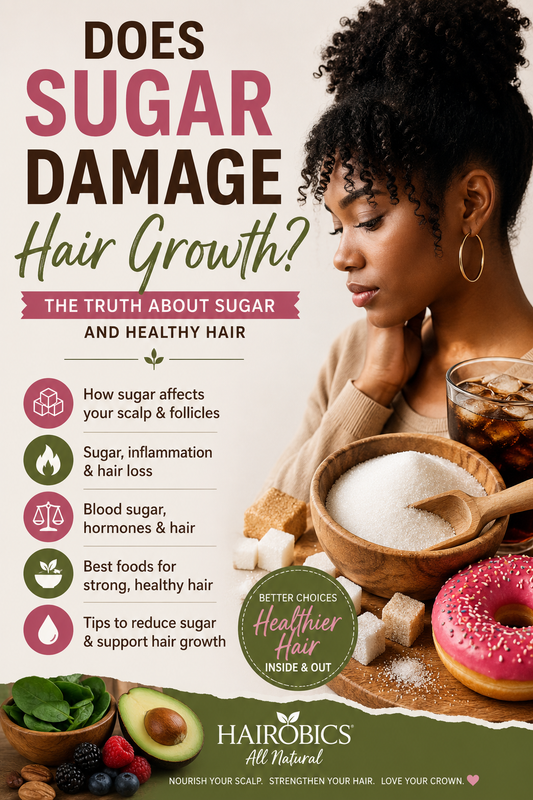
Many people spend hundreds of dollars on shampoos, oils, vitamins, and hair treatments hoping to achieve thicker, healthier hair. While these products can play an important role in a healthy hair care routine, one factor is often overlooked—your diet. More specifically, many people wonder whether eating too much sugar can interfere with healthy hair growth.
It's a reasonable question. Sugar has been linked to inflammation, weight gain, insulin resistance, and several chronic health conditions. Since healthy hair depends on healthy hair follicles, good circulation, balanced hormones, and proper nutrition, it's natural to ask whether excess sugar could also affect how your hair grows.
The good news is that enjoying sugar occasionally is unlikely to stop your hair from growing. However, consistently consuming large amounts of added sugar may indirectly create conditions that are less favorable for strong, healthy hair. Research suggests that high-sugar diets can contribute to inflammation, blood sugar fluctuations, and hormonal changes that may influence the health of the scalp and hair follicles.
For individuals with natural hair, curly hair, coils, locs, braids, or protective styles, maintaining healthy hair is especially important because textured hair is naturally more prone to dryness and breakage. Supporting hair health from the inside with balanced nutrition is just as important as maintaining a consistent hair care routine.
In this guide, you'll learn:
- Whether sugar actually causes hair loss
- How sugar affects the body and hair follicles
- The relationship between blood sugar and hormones
- Why inflammation matters for scalp health
- Foods that support healthy hair growth
- Practical ways to reduce excess sugar without giving up your favorite foods
By understanding how nutrition affects your hair, you can make informed choices that support both your overall health and your long-term hair goals.
Understanding How Hair Grows
Before discussing sugar, it helps to understand how healthy hair normally grows.
Every strand of hair develops inside a tiny structure beneath the skin called a hair follicle. Hair follicles are living organs that require a steady supply of oxygen, nutrients, hormones, and energy to function efficiently.
Hair grows through a repeating cycle consisting of three primary stages:
Anagen Phase (Growth)
This is the active growth phase. Depending on genetics, age, and overall health, this phase can last anywhere from two to seven years. During this time, cells divide rapidly to produce new hair fibers.
The longer the anagen phase lasts, the longer your hair has the potential to grow.
Catagen Phase (Transition)
This short phase lasts only a few weeks. Hair growth slows, and the follicle begins preparing for a resting period.
Telogen Phase (Resting)
Hair remains in the follicle but is no longer actively growing. Eventually, the strand sheds naturally, allowing a new hair to begin growing from the same follicle.
Shedding 50–100 hairs per day is considered normal as part of this continuous cycle.
When your body experiences nutritional deficiencies, illness, chronic stress, or significant hormonal changes, more follicles may shift into the resting phase earlier than expected. This can increase shedding and make hair appear thinner over time.
What Happens When You Eat Sugar?
Sugar is a carbohydrate that your body converts into glucose, the primary fuel used by your cells. Glucose is essential for life, but the amount and source of sugar you consume matter.
Natural sugars found in fruits, vegetables, and dairy products are packaged with fiber, vitamins, minerals, and antioxidants that slow digestion and provide additional nutritional benefits.
Added sugars, on the other hand, are commonly found in:
- Soft drinks
- Candy
- Cakes and pastries
- Sweetened cereals
- Flavored coffee drinks
- Ice cream
- Cookies
- Sweetened yogurts
- Energy drinks
- Many processed snack foods
When you consume foods high in added sugar, your blood glucose levels rise quickly. In response, your pancreas releases insulin, a hormone that helps move glucose into your cells for energy.
Occasional spikes are perfectly normal. However, frequent large spikes caused by diets high in refined sugar may contribute to insulin resistance over time in some individuals. Insulin resistance has been associated with metabolic changes that can affect many systems throughout the body, including hormone balance and inflammation.
Does Sugar Directly Stop Hair Growth?
The short answer is no.
There is no strong scientific evidence showing that eating a cookie, dessert, or other sugary treat directly causes your hair to stop growing overnight.
Hair growth is influenced by many factors working together, including:
- Genetics
- Age
- Hormones
- Overall health
- Nutrient intake
- Stress levels
- Sleep quality
- Medical conditions
- Hair care practices
Instead of directly damaging hair follicles, excessive added sugar may contribute to internal conditions that are less supportive of optimal hair growth. For example, diets consistently high in refined sugars may increase inflammation, disrupt normal insulin function, and influence hormone levels. These changes can indirectly affect the environment in which hair follicles function.
This means sugar is best viewed as one piece of a much larger picture. A balanced lifestyle—including nutrient-rich foods, adequate hydration, quality sleep, stress management, and gentle hair care—plays a far greater role in maintaining healthy hair than eliminating sugar alone.
Why Overall Nutrition Matters
Hair is one of the fastest-growing tissues in the body, but it is not essential for survival. When nutrients are limited, the body prioritizes vital organs such as the brain, heart, lungs, and liver. Hair follicles may receive fewer resources during periods of poor nutrition, which can lead to slower growth, increased shedding, or weaker strands.
Supporting healthy hair involves eating a varied diet that provides:
- Protein to build hair structure
- Iron to support oxygen delivery
- Zinc for normal follicle function
- Vitamins A, C, D, and E
- B vitamins, including biotin
- Healthy fats
- Adequate hydration
A diet dominated by highly processed foods and added sugars can make it more difficult to meet these nutritional needs, especially if sugary foods replace more nutrient-dense meals.
How Sugar May Indirectly Affect Hair Growth
Although sugar does not directly damage your hair follicles, consistently consuming high amounts of added sugar may contribute to conditions that make it more difficult for hair to thrive. Understanding these indirect effects can help you make healthier choices for both your body and your hair.
1. Sugar Can Increase Inflammation
Inflammation is your body's natural defense mechanism. When you get a cut or fight an infection, inflammation helps you heal. Problems arise when inflammation becomes chronic.
A diet high in added sugars and heavily processed foods has been associated with increased levels of inflammation in some individuals. Chronic inflammation may affect the health of many tissues throughout the body, including the scalp.
A healthy scalp provides the ideal environment for strong hair growth. When the scalp becomes irritated or inflamed, some people may experience:
-
Increased dryness
-
Itching
-
Flaking
-
Sensitivity
-
Redness
-
Excess oil production
While inflammation alone doesn't automatically cause hair loss, keeping inflammation under control through healthy lifestyle habits may help support normal scalp function.
2. Blood Sugar Spikes Can Affect Hormones
Every time you consume foods rich in refined sugar, your blood glucose rises. Your pancreas releases insulin to move glucose into your body's cells.
Occasional insulin spikes are normal. However, repeated spikes over many years may contribute to insulin resistance in some people.
Researchers have observed that insulin resistance can influence hormone balance, including hormones that affect hair growth.
For example, elevated insulin levels may increase androgen activity in certain individuals. Increased androgen sensitivity has been associated with some forms of hair thinning, particularly in people who are genetically predisposed.
This does not mean sugar alone causes hormonal hair loss. Instead, it may be one factor among many that contributes to an individual's overall hormonal environment.
3. Excess Sugar May Increase Oxidative Stress
Oxidative stress occurs when harmful molecules called free radicals outnumber the body's antioxidants.
Free radicals are produced naturally during normal metabolism, but smoking, pollution, chronic stress, poor sleep, and unhealthy diets can increase their levels.
Hair follicles are constantly growing and dividing, making them particularly sensitive to oxidative stress.
Fruits, vegetables, nuts, seeds, and whole grains contain antioxidants that help protect cells from oxidative damage.
Replacing nutrient-rich foods with sugary snacks may reduce your overall antioxidant intake, leaving your body with fewer tools to combat oxidative stress.
4. High Sugar Diets May Crowd Out Important Nutrients
One of the biggest concerns isn't simply eating sugar—it's what sugary foods often replace.
If breakfast consists of pastries instead of eggs and fruit, or snacks are candy instead of nuts and yogurt, your body may receive fewer nutrients needed for healthy hair.
Hair depends on adequate intake of:
-
Protein
-
Iron
-
Zinc
-
Vitamin D
-
Vitamin C
-
B vitamins
-
Essential fatty acids
When these nutrients are lacking, hair may become weaker, drier, and more prone to breakage.
Sugar and Natural Hair
Natural hair has unique needs.
Curly, coily, and kinky hair naturally bends and twists along the strand. These curves make it more difficult for natural scalp oils to travel from the roots to the ends.
As a result, natural hair tends to be:
-
Drier
-
More fragile
-
More prone to tangles
-
More susceptible to breakage
Because of this, overall health becomes even more important.
While sugar doesn't change your curl pattern, poor nutrition may contribute to:
-
Increased shedding
-
Reduced shine
-
Slower length retention
-
Weaker strands
-
More breakage
Healthy hair isn't just about growing new hair—it's also about keeping the hair you already have.
Does Sugar Cause Hair Loss?
Current scientific evidence does not support the idea that sugar directly causes hair loss by itself.
Instead, hair loss usually develops from multiple contributing factors, including:
-
Genetics
-
Hormonal changes
-
Medical conditions
-
Nutritional deficiencies
-
Certain medications
-
Chronic stress
-
Aging
-
Autoimmune disorders
-
Tight hairstyles
-
Chemical damage
However, diets consistently high in added sugar may contribute to health conditions that increase the likelihood of excessive shedding in susceptible individuals.
Think of sugar as a supporting factor rather than the sole cause.
Signs Your Diet May Be Affecting Your Hair
Your hair often reflects what's happening inside your body.
While many conditions can produce similar symptoms, poor dietary habits may contribute to:
-
Increased daily shedding
-
Hair that feels thinner
-
Brittle strands
-
Frequent split ends
-
Lack of shine
-
Dry scalp
-
Slow growth
-
Difficulty retaining length
If these symptoms appear suddenly or are severe, it's important to consult a healthcare professional, since underlying medical conditions may also be responsible.
Foods That Support Healthy Hair Growth
Rather than focusing only on eliminating sugar, it's more beneficial to increase foods that nourish your hair follicles.
Excellent choices include:
Protein-Rich Foods
Hair is primarily made of a protein called keratin.
Good sources include:
-
Eggs
-
Fish
-
Chicken
-
Turkey
-
Greek yogurt
-
Beans
-
Lentils
-
Tofu
Iron-Rich Foods
Iron helps transport oxygen to hair follicles.
Healthy options include:
-
Spinach
-
Kale
-
Lean beef
-
Lentils
-
Pumpkin seeds
-
Fortified cereals
Healthy Fats
Omega-3 fats help support healthy skin and scalp function.
Sources include:
-
Salmon
-
Sardines
-
Walnuts
-
Chia seeds
-
Flaxseed
Vitamin C
Vitamin C supports collagen production and improves iron absorption.
Excellent sources include:
-
Oranges
-
Strawberries
-
Bell peppers
-
Kiwi
-
Broccoli
Zinc
Zinc plays an important role in normal hair follicle function.
Good choices include:
-
Pumpkin seeds
-
Chickpeas
-
Beef
-
Cashews
-
Oats
Can You Still Eat Sugar?
Absolutely.
Healthy eating doesn't require completely eliminating dessert or your favorite treats.
Instead, aim for balance.
Simple strategies include:
-
Choose water instead of soda more often.
-
Limit sugary coffee drinks.
-
Read nutrition labels for added sugars.
-
Eat protein with meals to help you feel full longer.
-
Choose fruit when you're craving something sweet.
-
Cook more meals at home.
-
Avoid drinking calories from sugary beverages.
Small improvements made consistently are often more effective than extreme diets that are difficult to maintain.
A sustainable approach supports both your overall wellness and your long-term hair health.
Frequently Asked Questions About Sugar and Hair Growth
Can eating too much sugar make your hair fall out?
Sugar alone is not considered a direct cause of hair loss. However, diets that are consistently high in added sugars may contribute to inflammation, blood sugar imbalances, and poor overall nutrition. These factors can affect the environment that supports healthy hair growth and may contribute to increased shedding in some individuals.
Does sugar slow hair growth?
There is no strong evidence that sugar directly slows the rate at which hair grows. Hair growth depends on genetics, hormones, age, nutrition, scalp health, and overall wellness. Excess sugar may indirectly affect these factors, but it is only one piece of the puzzle.
Is fruit bad for hair growth because it contains sugar?
No. Fruits contain natural sugars along with fiber, vitamins, minerals, antioxidants, and water. These nutrients support overall health and may benefit your hair. Whole fruits are generally a much healthier choice than foods high in added sugars.
Can diabetes affect hair growth?
Yes. Poorly controlled diabetes may reduce circulation, affect nerve function, and alter the delivery of nutrients and oxygen to hair follicles. Some people with diabetes may experience thinning hair or slower regrowth. Managing blood sugar under the guidance of a healthcare professional is important for overall health.
Is honey healthier than refined sugar?
Honey contains small amounts of antioxidants and trace nutrients, but it is still a source of sugar. It can be enjoyed in moderation as part of a balanced diet. The key is limiting overall added sugar intake rather than focusing on a single sweetener.
What drinks are best for healthy hair?
Staying hydrated is one of the easiest ways to support healthy hair and scalp function. Great choices include:
- Water
- Unsweetened herbal tea
- Low-fat or fortified plant-based milk
- Smoothies made with whole fruits and vegetables
- Coconut water (in moderation)
Limiting sugar-sweetened beverages such as sodas and energy drinks can help reduce excess added sugar.
Daily Habits That Support Healthy Hair Growth
While nutrition is important, healthy hair depends on a combination of good habits.
Eat a Balanced Diet
Focus on whole foods rich in protein, healthy fats, vitamins, minerals, and antioxidants. Building balanced meals is more beneficial than chasing a single "superfood."
Stay Hydrated
Hair fibers contain moisture, and hydration supports healthy skin and scalp function. Drinking enough water throughout the day complements a good moisturizing routine.
Prioritize Sleep
Quality sleep gives your body time to repair tissues, regulate hormones, and support normal cell growth—including the rapidly dividing cells in hair follicles.
Manage Stress
Long-term stress can disrupt the normal hair growth cycle in some people. Activities such as walking, meditation, prayer, stretching, journaling, or regular exercise may help reduce stress.
Be Gentle With Your Hair
Healthy hair growth is only part of the equation—retaining length matters too.
To reduce breakage:
- Detangle gently.
- Avoid excessive heat styling.
- Limit harsh chemical treatments.
- Moisturize regularly.
- Protect hair while sleeping with a satin bonnet or satin pillowcase.
- Avoid overly tight hairstyles that place tension on the hairline.
Care for Your Scalp
A healthy scalp provides the foundation for healthy hair.
Develop a routine that includes:
- Regular cleansing to remove buildup
- Moisturizing when needed
- Gentle scalp massages
- Avoiding excessive scratching
- Using products that work well for your hair and scalp type
Supporting Healthy Hair With a Consistent Routine
No single food, supplement, or hair product can guarantee faster hair growth. Healthy hair is usually the result of consistent habits practiced over time.
For many people, the best routine includes:
- Eating nutrient-rich foods
- Drinking enough water
- Staying physically active
- Getting quality sleep
- Managing stress
- Protecting hair from breakage
- Following a consistent cleansing and moisturizing routine
- Using hair care products that complement a healthy lifestyle
Remember that hair typically grows about half an inch per month on average, although individual growth rates vary. Patience and consistency are often the biggest keys to seeing long-term results.
Conclusion
So, does sugar damage hair growth?
The answer is not as simple as yes or no.
Current research does not show that eating sugar directly stops hair from growing or automatically causes hair loss. However, regularly consuming large amounts of added sugar may contribute to inflammation, blood sugar fluctuations, hormonal changes, and poor nutrition—all of which can create conditions that are less supportive of healthy hair over time.
Rather than eliminating sugar completely, focus on maintaining a balanced diet rich in protein, vitamins, minerals, healthy fats, fruits, vegetables, and plenty of water. Combined with good sleep, stress management, regular exercise, and gentle hair care practices, these habits can help support stronger, healthier hair.
Whether you wear your hair natural, curly, coily, in locs, braids, twists, or protective styles, caring for your body from the inside out is one of the best investments you can make in your hair.
Support Your Healthy Hair Routine with Hairobics Hair & Scalp Booster
Healthy hair starts with a consistent routine that supports both your scalp and your strands. Along with eating a balanced diet and practicing gentle hair care, adding a quality scalp product to your regimen can help create an environment where healthy-looking hair can thrive.
Hairobics Hair & Scalp Booster is formulated with natural ingredients to help:
- Nourish the scalp
- Moisturize dry hair
- Support stronger-looking strands
- Reduce the appearance of dryness
- Promote healthier-looking hair as part of a consistent hair care routine
Pair a healthy lifestyle with a regular hair care routine, stay patient, and remember that lasting results come from consistency—not quick fixes.