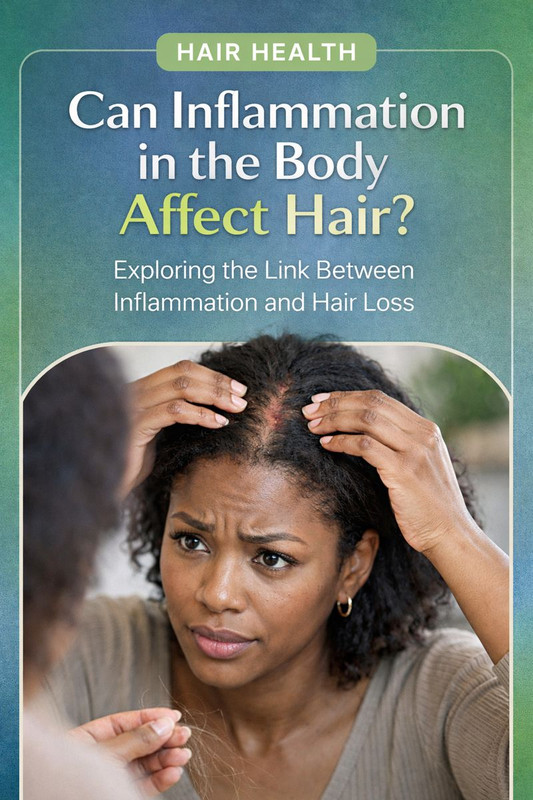
The Hidden Link Between Chronic Inflammation, Hair Thinning, and Hair Loss
Hair problems often get blamed on genetics, stress, hormones, or products—but one of the most overlooked causes of hair thinning and shedding is chronic inflammation inside the body.
If you’ve noticed:
-
Sudden hair thinning with no clear reason
-
Excessive shedding that doesn’t slow down
-
A tender, itchy, or sore scalp
-
Hair that won’t grow past a certain length
…there’s a strong chance systemic inflammation is playing a role.
In this article, we’ll break down how inflammation affects hair growth, what causes it, how it shows up on the scalp, and—most importantly—what you can do to reverse the damage and support healthier hair from the inside out.
What Is Inflammation (And Why Does It Matter for Hair)?
Inflammation is the body’s natural defense system. When you’re injured or fighting an infection, short-term inflammation is helpful—it brings blood flow, nutrients, and immune cells to repair damage.
But problems start when inflammation becomes chronic.
Acute vs. Chronic Inflammation
-
Acute inflammation: Short-term, protective, and necessary
-
Chronic inflammation: Long-lasting, low-grade, and damaging
Chronic inflammation keeps the immune system in a constant state of alert. Over time, this stress disrupts normal bodily functions—including hair follicle activity.
Hair follicles are living mini-organs. They rely on:
-
Steady blood flow
-
Oxygen and nutrients
-
Balanced hormones
-
A calm immune environment
When inflammation is present, hair growth becomes a low priority for the body.
How Inflammation Disrupts the Hair Growth Cycle
Hair grows in a predictable cycle with three main phases:
-
Anagen (growth phase) – lasts 2–7 years
-
Catagen (transition phase) – lasts a few weeks
-
Telogen (resting/shedding phase) – lasts ~3 months
Chronic inflammation interferes with this cycle in several damaging ways.
1. Inflammation Shortens the Growth Phase
Inflammatory chemicals (cytokines) signal the body to conserve energy. Hair follicles are pushed out of the growth phase prematurely, leading to:
-
Shorter strands
-
Slower growth
-
Hair that never reaches its previous length
2. More Hairs Enter the Shedding Phase at Once
Inflammation can trigger telogen effluvium, a condition where large numbers of hairs enter the shedding phase simultaneously.
This results in:
-
Sudden, excessive shedding
-
Hair everywhere (pillows, showers, floors)
-
Noticeable thinning without bald patches
3. Follicles Become Inflamed and Weakened
When inflammation surrounds the follicle itself:
-
Hair becomes thinner over time
-
New growth is weaker
-
Follicles may miniaturize
Left unchecked, chronic inflammation can permanently damage follicles.
Signs Your Hair Issues May Be Inflammation-Related
Inflammation-driven hair problems don’t always look dramatic at first. Common warning signs include:
-
Persistent scalp itching or burning
-
Scalp tenderness or soreness to the touch
-
Redness or tightness on the scalp
-
Increased shedding during stress or illness
-
Hair thinning evenly across the scalp
-
Hair loss after weight loss, illness, or dietary changes
If your hair loss feels diffuse rather than patchy, inflammation is often involved.
Conditions That Cause Body-Wide Inflammation and Hair Loss
Many people focus only on the scalp, but the root cause often starts elsewhere in the body.
1. Gut Inflammation
An inflamed gut affects nutrient absorption and immune balance.
Common contributors:
-
Food sensitivities
-
Leaky gut
-
Poor digestion
-
Imbalanced gut bacteria
When the gut is inflamed:
-
Iron, zinc, and biotin absorption drops
-
Immune reactions increase
-
Hair follicles receive fewer nutrients
2. Hormonal Imbalances
Inflammation disrupts hormonal signaling, especially:
-
Cortisol (stress hormone)
-
Insulin
-
Thyroid hormones
-
Androgens
High cortisol and insulin resistance are strongly linked to hair thinning and scalp inflammation.
3. Autoimmune Activity
Autoimmune conditions involve the immune system attacking the body’s own tissues—including hair follicles.
Even low-grade autoimmune inflammation can cause:
-
Chronic shedding
-
Scalp sensitivity
-
Slowed regrowth
4. Chronic Stress
Stress doesn’t just “feel bad”—it triggers real inflammation.
Prolonged stress:
-
Elevates cortisol
-
Increases inflammatory markers
-
Restricts blood flow to the scalp
Hair is often one of the first places the body “cuts resources.”
How Scalp Inflammation Mirrors Internal Inflammation
The scalp is an extension of your skin—and your skin reflects what’s happening inside your body.
Internal inflammation often shows up externally as:
-
Flaky scalp that isn’t dandruff
-
Excess oil production
-
Tight, uncomfortable scalp
-
Hair that feels dry yet greasy
Topical products alone won’t fix this if the inflammation is systemic.
Foods That Increase Inflammation and Hurt Hair Growth
Diet plays a massive role in inflammation levels.
Common inflammatory triggers include:
-
Refined sugar
-
Ultra-processed foods
-
Trans fats
-
Excessive dairy (for some people)
-
Alcohol
-
High-glycemic carbohydrates
These foods spike insulin and inflammatory markers, indirectly disrupting hair growth.
Anti-Inflammatory Foods That Support Hair Health
Reducing inflammation can dramatically improve hair growth over time.
Hair-supportive anti-inflammatory foods include:
-
Leafy greens
-
Fatty fish (omega-3s)
-
Berries
-
Turmeric and ginger
-
Healthy fats (olive oil, avocado)
-
Zinc-rich foods
Hydration also plays a critical role—dehydration worsens inflammation and restricts nutrient delivery to follicles.
Can Inflammation Cause Permanent Hair Loss?
This depends on duration and severity.
-
Short-term inflammation → usually reversible
-
Long-term chronic inflammation → may lead to follicle damage
When inflammation is controlled early, most people see:
-
Reduced shedding
-
Improved scalp comfort
-
Stronger regrowth
Ignoring it for years, however, can cause follicles to shrink or stop producing hair entirely.
Why Hair Products Alone Aren’t Enough
Many people try to fix inflammation-driven hair loss with:
-
Growth serums
-
Oils
-
Shampoo changes
While topical care is important, it cannot override internal inflammation.
True improvement requires:
-
Supporting the scalp barrier
-
Improving circulation
-
Calming inflammation internally
-
Providing nutrients consistently
Topical products work best when the internal environment is balanced.
How Long Does It Take Hair to Recover After Inflammation Is Reduced?
Hair recovery is not instant.
Typical timeline:
-
4–6 weeks: Reduced shedding
-
2–3 months: Improved scalp comfort
-
3–6 months: Noticeable regrowth
-
6–12 months: Thicker, stronger hair
Patience matters—hair responds slowly but consistently when inflammation is addressed.
Key Takeaways: Inflammation and Hair Health
-
Chronic inflammation is a major hidden cause of hair thinning and shedding
-
Hair follicles are highly sensitive to immune and hormonal disruption
-
Scalp issues often reflect internal inflammation
-
Diet, stress, gut health, and hormones all influence hair growth
-
Reducing inflammation can restore healthier hair growth over time
Final Thought
If your hair loss feels confusing, stubborn, or unexplained, don’t just look at your hair—look at your body.
Hair is a messenger. When inflammation is present, it speaks through shedding, thinning, and slowed growth. Address the root cause, and your hair often follows.