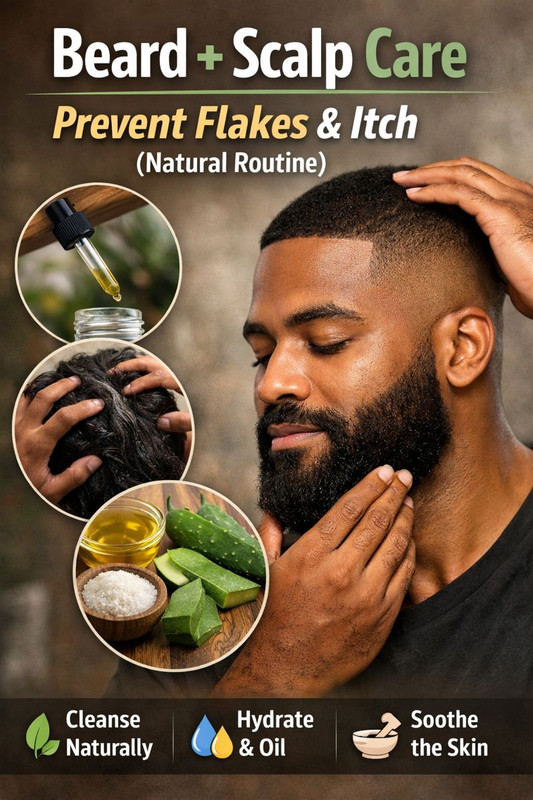
Flakes and itch don’t just affect your scalp—they often show up in your beard, eyebrows, and even along your hairline. If you’ve ever noticed white flakes on your beard or constant scalp itching no matter how much you wash, you’re not alone.
The good news? Beard flakes and scalp flakes usually come from the same underlying causes, which means they can be treated with one consistent, natural routine—no harsh chemicals, no stripping shampoos, and no guesswork.
In this guide, you’ll learn:
-
Why flakes and itch happen on both the scalp and beard
-
The most common mistakes that make flakes worse
-
How to build a simple natural beard + scalp routine
-
The best natural ingredients for lasting relief
-
How to prevent flakes long-term (not just temporarily)
Why Beard Flakes and Scalp Flakes Are Connected
Your beard and scalp may look different, but biologically, they are very similar:
-
Both have sebaceous (oil) glands
-
Both grow hair from follicles
-
Both are affected by dryness, buildup, and inflammation
When flakes appear in both areas, it’s usually due to skin imbalance, not poor hygiene.
Common shared causes include:
-
Dry or dehydrated skin
-
Product buildup clogging follicles
-
Overwashing with harsh cleansers
-
Lack of scalp and beard oil balance
-
Inflammation from stress or diet
Treating only your beard or only your scalp won’t solve the issue—you need a head-to-beard approach.
Flakes vs. Dandruff: Know the Difference
Before fixing the problem, it’s important to identify what you’re dealing with.
Dry Skin Flakes
-
Small, white, powdery flakes
-
Skin feels tight or itchy
-
Worse in cold or dry weather
-
Improves with moisture
Product Buildup Flakes
-
Flakes feel waxy or clumpy
-
Scalp or beard feels coated
-
Hair doesn’t absorb moisture
-
Comes from heavy butters, waxes, or pomades
True Dandruff (Seborrheic Dermatitis)
-
Yellowish or greasy flakes
-
Persistent redness or irritation
-
Often worsened by stress
-
Requires gentle but consistent care
? Most people with beard and scalp flakes are dealing with dryness + buildup, not true dandruff.
Why Washing More Often Makes Flakes Worse
This is one of the biggest mistakes men and women make.
When you:
-
Wash daily
-
Use sulfate shampoos
-
Use bar soap on your beard
You strip away natural oils, forcing your skin to overcompensate. This leads to:
-
Increased itch
-
More flakes
-
Excess oil production
-
Inflammation
Healthy skin thrives on balance, not constant cleansing.
The Natural Beard + Scalp Care Routine (Step-by-Step)
This routine works for:
-
Beards of all lengths
-
Locs, waves, curls, coils, or fades
-
Sensitive or dry scalps
-
Men and women
Step 1: Cleanse Gently (2–3x per week)
Choose a sulfate-free, natural cleanser that:
-
Doesn’t strip oils
-
Cleans without overdrying
-
Works on both scalp and beard
How to cleanse properly:
-
Massage gently with fingertips (never nails)
-
Focus on skin, not just hair
-
Rinse thoroughly
? Avoid:
-
Bar soap on your beard
-
Daily shampooing
-
Alcohol-based cleansers
Step 2: Remove Buildup (1x per week)
Flakes often come from layers of old product and dead skin.
Use a gentle scalp and beard exfoliation method:
-
Natural scalp massager
-
Soft beard brush
-
Pre-wash oil massage
This improves:
-
Circulation
-
Follicle health
-
Product absorption
✨ Tip: Exfoliating before washing prevents flakes from returning.
Step 3: Hydrate (Every Wash Day)
Water is moisture—oil is sealer.
After washing:
-
Apply a water-based leave-in or hydrating spray
-
Follow with oil to lock it in
This step is essential for both:
-
Beard softness
-
Scalp comfort
Skipping hydration is one of the top reasons flakes keep coming back.
Step 4: Seal With the Right Oils (3–5x per week)
Not all oils are created equal.
The best oils for beard and scalp flake prevention:
-
Jojoba oil (mimics natural sebum)
-
Jamaican black castor oil (strengthens follicles)
-
Grapeseed oil (lightweight and non-greasy)
-
Moringa oil (anti-inflammatory)
Massage a small amount into:
-
Scalp (especially problem areas)
-
Beard skin (not just hair)
? Consistency matters more than quantity.
Step 5: Soothe the Skin (As Needed)
If itch persists, your skin may be inflamed, not dry.
Look for natural soothing ingredients like:
-
Aloe vera
-
Tea tree (low concentration)
-
Peppermint (stimulates circulation)
-
Frankincense and myrrh (calming and antimicrobial)
These ingredients help:
-
Reduce itch
-
Calm redness
-
Prevent flake recurrence
The Biggest Beard + Scalp Care Mistakes
Avoid these if you want long-term results:
❌ Using beard waxes daily
❌ Ignoring the skin under your beard
❌ Sleeping with dry scalp and beard
❌ Applying oil without water or hydration
❌ Using heavy products that clog follicles
Healthy hair grows from healthy skin—always.
How Diet and Lifestyle Affect Beard and Scalp Flakes
What you put in your body shows up on your skin.
Nutrients that reduce flakes:
-
Omega-3 fatty acids
-
Zinc
-
Vitamin E
-
Biotin
Lifestyle habits that worsen flakes:
-
Chronic stress
-
Poor sleep
-
Dehydration
-
Excess sugar
? Tip: If flakes worsen during stressful periods, your routine needs soothing, not more washing.
How Long Does It Take to See Results?
With a consistent natural routine:
-
Itch relief: 3–7 days
-
Reduced flakes: 1–2 weeks
-
Healthier beard & scalp: 30 days
If flakes persist after 30 days, the issue is usually:
-
Hidden buildup
-
Product overload
-
Inconsistent routine
Can One Routine Work for Beard AND Scalp?
Yes—and it should.
Using compatible products for both areas:
-
Simplifies your routine
-
Improves consistency
-
Prevents ingredient overload
-
Promotes total hair ecosystem health
Many natural hair brands (including scalp-focused lines like Hairobics-style formulations) design products to work from scalp to beard for this exact reason.
Final Thoughts: Flake-Free Starts With Skin Balance
Flakes and itch are not signs of dirty hair—they’re signs of imbalanced skin.
When you:
-
Cleanse gently
-
Hydrate consistently
-
Seal properly
-
Avoid harsh products
You allow your scalp and beard to self-regulate, heal, and thrive naturally.
A calm scalp equals:
-
Softer beard
-
Less itch
-
Stronger growth
-
No flakes on your clothes
And once you get there? You’ll never go back to quick fixes again.